Table of Contents >> Show >> Hide
- What Makes a Casserole Work: The Simple Formula
- Essential Tips for Better Casseroles (No Culinary Degree Required)
- 12 Casserole Recipe Ideas You Can Customize (With Real-World Variations)
- 1) Chicken, Broccoli & Cheddar Casserole
- 2) Tuna Noodle Casserole (The Nostalgia Train)
- 3) Baked Ziti (The “Everybody Likes This” Casserole)
- 4) Enchilada Casserole (No Rolling Required)
- 5) Breakfast Casserole (Make-Ahead Morning Magic)
- 6) Hash Brown Casserole (Cheesy Potato Happiness)
- 7) Shepherd’s Pie-Style Casserole
- 8) Green Bean Casserole (Holiday Classic, Weeknight Version)
- 9) Mac and Cheese Bake (The Crowd-Please Button)
- 10) Vegetable Gratin Casserole (The Elegant One)
- 11) Stuffing-Topped Turkey (or Chicken) Casserole
- 12) French Toast Casserole (Brunch Hero)
- Make-Ahead, Freezer-Friendly, and Reheating Guide
- Common Casserole Mistakes (And Exactly How to Fix Them)
- Real-Kitchen Experiences with Casserole Recipes (The Part Nobody Tells You)
- Wrap-Up
Casseroles are the culinary equivalent of a group chat: everybody shows up, somebody brings cheese, and somehow it all works out. They’re the MVP of one-dish dinnerswarm, cozy, make-ahead friendly, and built to feed a family (or a future-you who would like dinner to magically appear on a Tuesday).
This guide isn’t just a list of “dump-and-bake” ideas (though we love those). It’s a practical playbook for building better casserolesplus a dozen casserole recipe concepts you can customize with what’s in your fridge, freezer, and “mystery drawer” of shredded cheese.
What Makes a Casserole Work: The Simple Formula
Most great casserole recipes follow the same basic blueprint. Think of it like a comfy sweater: structure, warmth, and a little personality.
1) The base (carbs that carry the team)
- Pasta: ziti, shells, egg noodles, macaroni
- Rice & grains: white/brown rice, quinoa, farro
- Potatoes: diced, mashed, shredded hash browns, sweet potatoes
- Bread: stuffing cubes, breadcrumbs, torn rolls
2) The “main character” (protein or hearty veg)
- Chicken, turkey, ham: cooked and shredded, or browned first
- Beef or sausage: browned and drained
- Seafood: canned tuna or salmon works beautifully
- Vegetarian options: beans, lentils, tofu, tempeh, mushrooms
3) The vegetables (color, crunch, and “we’re being healthy” energy)
Broccoli, green beans, corn, spinach, bell peppers, zucchini, carrots, cauliflower, peasgo wild. The key is moisture management (more on that soon).
4) The binder (sauce that makes it cohesive)
- Classic creamy: béchamel, cream sauce, Greek yogurt + stock, sour cream blends
- Tomato-based: marinara, enchilada sauce, salsa + broth
- Cheese-forward: cheddar, mozzarella, Monterey Jack, Parmesan, cream cheese
5) The topping (texture that makes people go back for “just a little more”)
- Crunchy: breadcrumbs, crushed crackers, fried onions, tortilla chips
- Cheesy: shredded cheese, Parmesan, feta crumbles
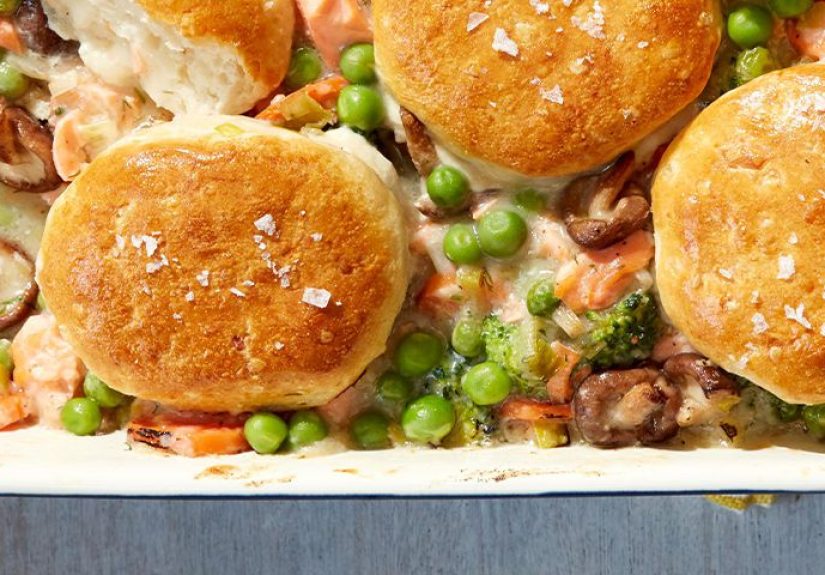
- Comfort: mashed potatoes, biscuit dough, cornbread batter
Essential Tips for Better Casseroles (No Culinary Degree Required)
Let it restyes, even though it’s bubbling and calling your name
Right out of the oven, casseroles are basically a lava lake of sauce and molten cheese. Give it 10–15 minutes to rest so the layers set, slices stay neat, and you don’t serve “casserole soup” (unless you meant to).
Cover first, uncover later
A solid rule for baked casseroles: bake covered for most of the time to keep the interior moist and help everything heat evenly, then uncover near the end to brown the top. If you’re adding a crunchy topping, add it during that uncovered window so it stays crisp.
Pre-cook what needs pre-cooking
Raw chicken chunks and uncooked rice are not “time savers”they’re “why is this still crunchy at 9:30 PM” situations. Unless a recipe is specifically designed for raw ingredients, cook or par-cook proteins and starches first.
Control moisture to avoid soggy casseroles
- Watery veggies (zucchini, mushrooms, spinach): sauté first to drive off liquid.
- Frozen vegetables: thaw and pat dry, or roast quickly to remove excess moisture.
- Too much sauce: your casserole shouldn’t swim. Aim for “coated,” not “submerged.”
Season in layers, not just at the end
A casserole is basically a stack of decisions. Salt your pasta water, season your meat, taste your sauce, and then bring it all together. One big stir at the end won’t fix unseasoned building blocks.
Use the right dish size
If the dish is too deep, the center can take forever to heat. Too wide and shallow, and it dries out. The classic 9×13-inch dish is popular for a reasonreliable, spacious, and potluck-approved.
Default baking temp: 350°F is your friend
Many easy casserole recipes bake well around 350°F because it heats gently and evenly. Higher temps can work, but 350°F is the “don’t overthink it” setting for most casseroles.
12 Casserole Recipe Ideas You Can Customize (With Real-World Variations)
These aren’t rigid recipesthey’re flexible “templates” you can adapt. Each one includes a core idea, a few swaps, and a quick method so you can make it your own without panic-googling “what is béchamel” mid-cook.
1) Chicken, Broccoli & Cheddar Casserole
The classic chicken casserole that never quits: cooked chicken + broccoli + creamy sauce + cheddar + buttery crumbs. Use Greek yogurt for tang, or a simple roux + milk for a from-scratch sauce.
- Swap: cauliflower for broccoli, rotisserie chicken for cooked breasts.
- Upgrade: add Dijon, garlic, and a pinch of smoked paprika.
2) Tuna Noodle Casserole (The Nostalgia Train)
Egg noodles, tuna, peas, a creamy binder, and a crunchy top. It’s comfort food casserole royaltyespecially when you add a little lemon zest to wake it up.
- Swap: canned salmon for tuna.
- Crunch: crushed potato chips, buttered breadcrumbs, or fried onions.
3) Baked Ziti (The “Everybody Likes This” Casserole)
Marinara + pasta + ricotta + mozzarella. Add browned sausage if you want it heartier, or roasted veggies for balance.
- Make-ahead tip: assemble, refrigerate, bake when ready.
- Vegetarian: sautéed mushrooms + spinach + extra Parmesan.
4) Enchilada Casserole (No Rolling Required)
Layer tortillas, seasoned chicken or beans, enchilada sauce, cheese, and corn. Bake until bubbly, then top with cilantro, sour cream, and pickled onions like you’re running a very cozy taqueria.
- Swap: shredded chicken → black beans + roasted sweet potato.
- Heat control: mild sauce + jalapeños on the side = peace at the table.
5) Breakfast Casserole (Make-Ahead Morning Magic)
This breakfast casserole is a lifesaver: eggs + milk + cheese + bread cubes (or hash browns) + breakfast sausage or veggies. Assemble at night, bake in the morning, collect compliments while holding coffee.
- Kid-friendly: ham + cheddar + soft bread cubes.
- Veggie: spinach + mushrooms + feta.
6) Hash Brown Casserole (Cheesy Potato Happiness)
Shredded potatoes, sour cream, cheddar, onion, and a buttery top. It’s rich, it’s creamy, and it’s the reason people “just happen” to take seconds.
- Upgrade: add bacon, green onions, or diced roasted peppers.
- Lighten: use part Greek yogurt + extra seasoning to keep flavor big.
7) Shepherd’s Pie-Style Casserole
Savory meat (or lentils) and veggies in a rich gravy, topped with mashed potatoes and baked until golden. Classic, filling, and built for cold nights.
- Swap: beef → turkey; potatoes → sweet potatoes.
- Shortcut: use leftover mashed potatoes from last night’s dinner.
8) Green Bean Casserole (Holiday Classic, Weeknight Version)
Green beans in a creamy mushroom sauce with crisp onions on top. For extra flavor, sauté mushrooms with garlic and thyme before stirring in the sauce.
- Swap: fresh green beans (blanched) for canned.
- Add: a squeeze of lemon at the end to brighten everything.
9) Mac and Cheese Bake (The Crowd-Please Button)
Make stovetop mac and cheese, pour into a dish, top with buttery crumbs, then bake. The oven step adds that golden-crunch top that makes people say “WOW” like it’s a magic trick.
- Flavor boost: mustard powder + sharp cheddar.
- Grown-up: roasted broccoli or jalapeños.
10) Vegetable Gratin Casserole (The Elegant One)
Thin-sliced potatoes, zucchini, and/or cauliflower baked in a garlicky cream sauce with Parmesan. It looks fancy, tastes comforting, and makes vegetables feel like a celebration.
- Swap: cream → half-and-half; add nutmeg for classic gratin warmth.
- Tip: slice evenly so everything cooks at the same pace.
11) Stuffing-Topped Turkey (or Chicken) Casserole
Think “cozy leftovers,” but intentional: turkey/chicken + mixed veggies + gravy-ish sauce + stuffing on top. It’s basically a holiday plate in casserole form.
- Swap: turkey → rotisserie chicken.
- Extra: stir in cranberry sauce on the side for sweet-tang contrast.
12) French Toast Casserole (Brunch Hero)
Bread cubes soaked in a cinnamon-vanilla custard, baked until crisp on top and soft inside. Add berries, pecans, or chocolate chips and watch it disappear faster than your weekend.
- Make-ahead: assemble and refrigerate overnight.
- Serve: with powdered sugar, maple syrup, or yogurt.
Make-Ahead, Freezer-Friendly, and Reheating Guide
The best part of make-ahead casseroles is how they turn “future dinner stress” into “future dinner smugness.” Here’s how to do it without sacrificing texture or safety.
Make-ahead (refrigerator)
- Assemble the casserole (hold crunchy toppings if possible).
- Cover tightly and refrigerate.
- Before baking, let it sit at room temp for 20–30 minutes if your dish is oven-safe (helps it bake evenly).
- Add toppings near the end so they stay crisp.
Freezer-friendly casseroles (the smart way)
- Best candidates: baked ziti, enchilada casserole, breakfast casserole, many chicken casseroles.
- Wrap well: plastic wrap (if freezer-safe) plus foil, or a tight lid to prevent freezer burn.
- Label: date + baking instructions. Future-you is busy; help them out.
Reheating leftovers safely (and still tasting great)
Reheat until the center is steaming hot. For food safety, leftovers should reach 165°F in the middle. If the top is browning too fast, cover with foil and keep heating until the center is hot.
Cooling and storage basics
Don’t leave cooked casserole sitting out for hours. Refrigerate perishable foods within about two hours, and store in shallow containers when possible so they cool faster.
Common Casserole Mistakes (And Exactly How to Fix Them)
Mistake: It’s watery
- Fix: sauté watery veggies; reduce sauce; use less liquid; thicken with a roux or cornstarch slurry.
- Next time: drain cooked pasta well and pat thawed vegetables dry.
Mistake: The top is burnt but the middle is cold
- Fix: cover with foil and continue baking; lower rack placement can help.
- Next time: bake covered longer, uncover only for browning.
Mistake: It tastes bland
- Fix: add salt, acid (lemon/vinegar), and aromatics (garlic/onion).
- Next time: season each layer and taste the sauce before baking.
Mistake: It falls apart when serving
- Fix: let it rest 10–15 minutes before cutting.
- Next time: slightly reduce liquid; add a bit more binder (egg, cheese, thicker sauce).
Real-Kitchen Experiences with Casserole Recipes (The Part Nobody Tells You)
Once you start making casseroles regularly, a funny thing happens: you begin to think in “casserole logic.” The week gets busy, the fridge looks random, and yet you’re not worriedbecause you know most of dinner can be turned into a warm, bubbly, reliable pan of comfort. That half bag of spinach? It can disappear into a creamy pasta bake. Leftover roast chicken? Suddenly it’s the starring ingredient in a cheesy, family-friendly meal that tastes like you planned ahead (even if you absolutely did not).
Casseroles also teach you what your household actually likes. Some families are “crunch people” who judge a casserole entirely by the topping situationbreadcrumbs, crackers, fried onions, and anything that makes a satisfying noise when you tap it with a spoon. Others are “sauce people,” happiest when the casserole is rich and creamy and clearly not pretending to be a salad. Once you notice the pattern, you can tailor your approach: save the crunchy topping for the last 10 minutes, or lean into the creamy binder and add extra seasoning so it doesn’t taste flat.
Potlucks are where casserole recipes become legends. A baked ziti that you thought was “fine” at home suddenly gets treated like a celebrity when it’s placed on a folding table next to paper plates and a suspiciously large tub of store-bought cookies. People love casseroles in groups because they’re easy to serve, easy to share, and emotionally familiar. There’s also a weird social magic in the fact that a casserole doesn’t require anyone to “assemble” their plate. It arrives complete, like: “Hello, I have solved dinner.”
And then there’s the make-ahead effect: casseroles quietly improve your week. When you assemble one on a calm evening and refrigerate it, the next day feels easier in a way that’s hard to overstate. It’s not just convenienceit’s the mental relief of knowing dinner is basically handled. That’s why freezer-friendly casseroles are such a big deal. Having one stashed away is like leaving yourself a present, except the wrapping paper is aluminum foil and the gift is cheese.
Finally, casseroles make you a better improviser. You learn that flavor doesn’t come from complicated stepsit comes from smart choices: browning meat for depth, sautéing mushrooms so they aren’t watery, seasoning in layers, and letting the dish rest so it slices cleanly. Over time, you stop needing strict instructions and start building casseroles from intuition. That’s the real win: casserole recipes aren’t just meals. They’re a flexible system for feeding people well, with less stress and more comfortone delicious pan at a time.