Table of Contents >> Show >> Hide
- What is a suppository, exactly?
- Common uses of suppositories
- Rectal suppository instructions: step by step
- Vaginal suppository instructions: quick guide
- Suppository tips that make life easier
- Side effects and safety
- Special populations: kids, older adults, and post-surgery patients
- FAQ
- When to call a clinician
- Conclusion
- Experience section (extended): what people commonly report in real life
Let’s be honest: suppositories are not most people’s favorite pharmacy purchase. Nobody throws a “Yay, rectal route!” party.
But they can be incredibly useful when swallowing pills is hard, vomiting won’t stop, or a medication needs to work right where the problem lives.
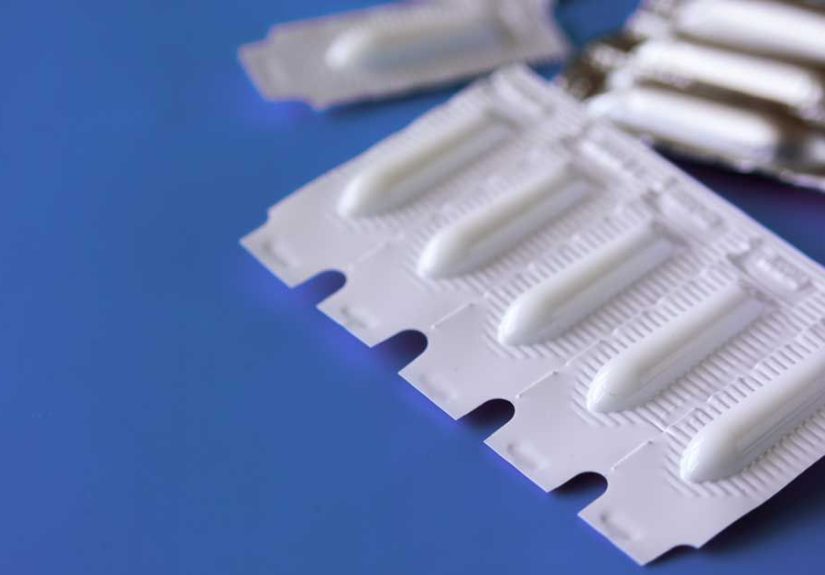
In plain English, a suppository is a solid dose of medicine that goes into the rectum, vagina, or (less commonly) urethra, where it melts or dissolves and releases medication.
This guide explains how suppositories work, what they treat, how to use them step by step, and what side effects to watch for.
You’ll also get practical troubleshooting tips (“It melted in my handnow what?”), kid-friendly guidance, and a picture-style walkthrough.
If you’ve ever stared at the foil wrapper and thought, I need adult supervision for this tiny torpedo, this article is for you.
What is a suppository, exactly?
A suppository is a medication mixed into a base (often fat- or water-soluble) that is firm at room temperature but softens in the body.
The medicine is then absorbed through local tissues or into the bloodstream.
Suppositories can be:
- Rectal suppositories (most common)
- Vaginal suppositories (often called pessaries)
- Urethral suppositories (rare, usually specialist-directed in adults)
The 60-second science: how suppositories work
- You insert the suppository into the intended body cavity.
- Body temperature softens/melts the base.
- The active drug dissolves in local fluid.
- The drug acts locally (for example, soothing inflamed rectal tissue) and/or gets absorbed systemically.
A key pharmacology note: some rectal medications may partially bypass first-pass liver metabolism depending on where they are absorbed, which can affect how much active medicine reaches circulation.
Translation: route matters, and your prescriber chooses it for a reason.
1) Insert
2) Melt/Dissolve
3) Medicine Released
Common uses of suppositories
1) Constipation relief
This is the big one. Rectal glycerin or bisacodyl suppositories are commonly used for occasional constipation.
They can stimulate bowel movement and/or help draw water into stool, often working faster than many oral options.
For people who feel bloated, uncomfortable, and impatient, this route can be practical.
2) Rectal inflammation, hemorrhoid symptoms, and proctitis
Anti-inflammatory suppositories (like hydrocortisone or mesalamine, depending on diagnosis) are used to reduce local inflammation, pain, urgency, and irritation in distal bowel conditions.
Because treatment is delivered directly to affected tissue, local symptom control can improve without needing high oral doses.
3) Fever or pain relief when oral meds are not an option
Rectal acetaminophen is sometimes used when swallowing is difficult or nausea/vomiting makes oral dosing impractical.
Dosing must still be tracked carefully, because “rectal” does not mean “free pass”especially with acetaminophen, where total daily dose matters.
4) Vaginal therapy
Vaginal suppositories are often used for local treatment, including yeast infection therapies, certain hormone-related treatments, and moisture-support options in specific cases.
Many are designed for bedtime use to reduce daytime leakage and improve comfort.
5) Specialist uses
In hospitals and specialty care, suppositories may be used around procedures or in specific treatment protocols.
This is less about DIY medicine and more about clinician-guided route selection.
Rectal suppository instructions: step by step
Before you start: Read the medication label and follow your clinician’s directions first. If directions differ, your prescription instructions win.
- Wash your hands. Soap and water, 20 seconds.
- Check the suppository. If it’s too soft, cool it briefly (refrigerator or cold water over wrapper).
- Remove foil wrapper. Don’t leave any film on it.
- Moisten tip. A little cool water or water-soluble lubricant can help.
- Position: Lie on your side, top knee bent toward chest.
- Insert pointed end first gently into rectum (adults often about 1 inch; children less, per label).
- Stay put for 5 minutes to reduce immediate expulsion.
- Wash hands again.
Top knee bent
Pointed end first
How long does a rectal suppository take to work?
- Constipation products (commonly): often within 15 to 60 minutes (varies by product and person).
- Anti-inflammatory suppositories: symptom improvement may take days, not minutes.
- Do not redose early unless your label or clinician specifically says to.
Vaginal suppository instructions: quick guide
- Wash hands and read package instructions.
- Unwrap the suppository and load applicator if provided.
- Lie on your back with knees bent or stand with one foot elevated.
- Insert gently as directed; avoid force.
- Use a pad if leakage is expected.
- Bedtime dosing is often easier for comfort and retention.
✓ Wash hands
✓ Unwrap fully
✓ Insert gently, pointed end first
✓ Stay in position briefly
Done
Suppository tips that make life easier
If it melts in your hand
It happens. Suppositories are literally designed to soften. Cool it briefly, handle quickly, and avoid over-squeezing it like it’s stress putty.
If it slips out immediately
- Ensure pointed-end-first insertion.
- Insert far enough per instructions.
- Stay lying down several minutes afterward.
- If repeated expulsion happens, call your pharmacist or clinician for technique advice.
If you see leakage
Mild leakage can occur, especially with vaginal products or softer rectal bases.
A pantyliner or pad helps; if irritation is significant, seek guidance.
If you forget a dose
Follow product labeling. In many cases, you skip missed doses rather than doubling up.
When in doubt, ask a pharmacist. Doubling blindly is how side effects get invited to dinner.
Side effects and safety
Common side effects
- Mild local irritation or burning
- Cramping (especially with stimulant laxative suppositories)
- Leakage or urgency
Serious warnings: get help quickly if you notice
- Severe abdominal pain, persistent vomiting, or significant bleeding
- Allergic symptoms (hives, trouble breathing, swelling)
- Signs of dehydration after repeated laxative use
- Possible overdose (especially acetaminophen-containing products)
If you suspect overdose or a medication error in the U.S., contact Poison Help right away at 1-800-222-1222.
If someone collapses, has trouble breathing, has a seizure, or cannot be awakened, call emergency services immediately.
Special populations: kids, older adults, and post-surgery patients
Children
Pediatric suppository dosing is not just “small adult dosing.” It is product-specific and age/weight dependent.
For constipation in children, many pathways use glycerin in selected cases, but frequency and duration should be clinician-guided.
Never use adult-strength products in children unless specifically instructed.
Older adults
Suppositories may be useful when pill burden is high or swallowing is difficult.
But dehydration risk, electrolyte shifts, and medication interactions matter more in older adults.
Keep your medication list updated and review it with your care team.
After surgery or with bowel conditions
Some patients should avoid rectal insertion temporarily depending on surgery type or active disease.
If you recently had anorectal or pelvic procedures, ask before using any rectal product.
FAQ
Can I cut a suppository in half?
Only if the specific product instructions allow it. Many should not be cut because dosing uniformity can be affected.
Can I use petroleum jelly as lubricant?
Water-soluble lubricant is generally preferred when lubrication is needed. Follow package instructions for your specific product.
Can I take oral medicine and a suppository together?
Sometimes yes, sometimes no. The key question is whether they contain the same active ingredient.
Example: do not accidentally stack multiple acetaminophen products.
Are suppositories faster than pills?
It depends on the drug, formulation, condition, and your body.
For some constipation therapies, yes; for other indications, onset can be similar or slower.
When to call a clinician
- No bowel movement after recommended time for constipation products
- Needing suppositories frequently rather than occasionally
- Recurring rectal bleeding, unexplained pain, weight loss, or nighttime symptoms
- Worsening symptoms despite proper use
- Any concern in infants, immunocompromised patients, or complex medical conditions
Conclusion
Suppositories are a practical, evidence-based delivery routenot a last-resort oddity.
They work by melting or dissolving and releasing medicine where it is needed locally or systemically.
Used correctly, they can be efficient for constipation, local inflammation, and situations where oral dosing is difficult.
The best outcomes come from three things: correct product, correct technique, and correct dose.
Read labels carefully, respect dosing limits, and ask your pharmacist or clinician when anything feels unclear.
That 30-second question can prevent a 3 a.m. problem.
Experience section (extended): what people commonly report in real life
The most common experience people describe is simple: “I was nervous before the first time, then surprised by how routine it became.”
That first attempt can feel awkward because it is unfamiliar, not because you are doing anything wrong.
In clinic education settings, once patients are shown side-lying positioning, insertion direction, and aftercare, confidence usually rises fast.
People often say the biggest improvement came from tiny technique changescooling a soft suppository, using a little water-based lubricant, and staying still for a few minutes after insertion.
In other words, this is a “small details, big comfort” process.
Adults using constipation suppositories often report a pattern: first, anxiety; second, quick symptom relief; third, realization that suppositories are a tool, not a daily lifestyle.
Many people appreciate faster relief during occasional episodes, especially when travel, surgery recovery, or sudden routine changes trigger constipation.
They also mention that overuse backfires: more cramping, unpredictability, and frustration.
The lesson repeated by pharmacists and nurses is to use these products as directed, not as a long-term substitute for hydration, fiber, activity, and bowel habit support.
Parents and caregivers usually describe a different challenge: precision and reassurance.
They want to help quickly but are worried about doing harm.
Pediatric teams often hear questions like, “How far is too far?” or “What if my child clenches and it pops out?”
With clear age-appropriate instructions, caregivers tend to do well.
Common tips that help families include calm explanation before the step, distraction (story, music, breathing), and not rushing.
Caregivers also note that checking labels for exact strength and interval is essential because household medicine cabinets can hold multiple look-alike products.
People using anti-inflammatory rectal suppositories for proctitis or distal bowel inflammation often report that improvements feel gradual rather than dramatic.
Early wins may include less urgency, less discomfort, and better sleep before bowel habits fully normalize.
Some patients mention that nighttime dosing is easier because they can remain still and retain medication longer.
Others report irritation at first that improves after technique adjustments or product changes.
Follow-up with the prescribing clinician is a major theme in successful experiencesespecially when symptoms do not improve within expected timeframes.
For vaginal suppositories, users often mention that timing matters as much as product choice.
Bedtime use, breathable underwear, and a liner can make treatment more comfortable and less disruptive.
Many say they were initially worried by normal leakage and mistook it for treatment failure.
Patient education reduces that worry: some leakage is expected with certain formulations.
Users also frequently report better outcomes when they complete the full recommended course rather than stopping as soon as symptoms improve.
Across all groups, the emotional experience is consistent: embarrassment fades when people understand the “why” behind the route.
Suppositories are simply another dosage formlike tablets, liquids, or patcheswith strengths and limitations.
The people who do best are rarely those with perfect technique on day one; they are the ones who read instructions, ask questions early, and monitor response honestly.
Practical confidence, not perfection, is the goal.
And if something feels offpain, bleeding, persistent symptoms, or dosing confusionthe safest move is to pause and ask a professional.
That decision repeatedly shows up in positive patient stories.