Table of Contents >> Show >> Hide
- Why Cleaning a Microwave With Lemon Works
- What You Need
- How to Clean a Microwave With a Lemon
- How to Remove Baked-On Food That Refuses to Budge
- How to Deodorize a Microwave Naturally
- Common Mistakes to Avoid
- How Often Should You Clean Your Microwave?
- Extra Tips for a Cleaner Microwave
- FAQ: Cleaning a Microwave With Lemon
- Real-Life Kitchen Experiences: What This Method Feels Like in Practice
- Conclusion
- SEO Tags
Let’s be honest: the microwave is one of the hardest-working appliances in the kitchen and one of the least appreciated. It reheats coffee you forgot about, rescues leftovers at midnight, and quietly absorbs splatters from soup, sauce, and that one bowl of oatmeal that tried to escape like it was in an action movie. Then one day you open the door and realize your microwave smells a little suspicious and looks like it hosted a spaghetti explosion.
The good news is that learning how to clean a microwave with a lemon is wonderfully simple. This natural microwave cleaning method uses steam, citrus, and a lot less elbow grease than aggressive scrubbing. Better yet, it can help loosen baked-on food, cut lingering odors, and leave the inside of the microwave looking much less like a crime scene.
In this guide, you’ll learn exactly how to steam clean a microwave with lemon, how to deal with stubborn splatters, what to avoid, and how to keep the mess from building back up. If your microwave currently looks like it has seen things, do not panic. Lemon is here to help.
Why Cleaning a Microwave With Lemon Works
The lemon method works because it combines two useful things: steam and mild acidity. When you heat water and lemon together in a microwave-safe bowl, the water turns to steam and softens dried food stuck to the walls, ceiling, and door. The lemon juice and peel add a fresh scent and help loosen greasy residue, which makes wiping easier.
This is why the lemon microwave method is so popular. Instead of scrubbing at hardened splatter while muttering kitchen-related insults under your breath, you let hot steam do the hard part first. Once the buildup softens, a cloth or sponge can usually remove it without much drama.
It is also a practical option for people who want a natural microwave cleaner without heavy perfume or harsh chemical residue. That matters in an appliance that heats food a few inches from your face.
What You Need
- 1 lemon
- 1 cup of water
- 1 microwave-safe bowl or glass measuring cup
- 1 microfiber cloth, sponge, or soft paper towels
- Mild dish soap for the turntable if needed
- Baking soda for extra-stubborn baked-on food
You do not need a giant cleaning caddy, a hazmat suit, or ten specialty sprays. This is one of those rare kitchen jobs that is both cheap and effective.
How to Clean a Microwave With a Lemon
Step 1: Prep the Lemon Water
Cut the lemon in half. Squeeze the juice into a microwave-safe bowl with 1 cup of water, then drop the lemon halves into the bowl as well. If you prefer, you can slice the lemon instead. The goal is simply to get citrus and water working together.
Step 2: Microwave Until Steamy
Place the bowl in the microwave and heat it on high for about 2 to 5 minutes, depending on how powerful your microwave is and how filthy the inside looks. You want the liquid to get hot enough to create visible steam and fog up the window.
If your microwave is only lightly dirty, 2 or 3 minutes may be enough. If it looks like marinara has been paying rent in there for months, go closer to 4 or 5 minutes.
Step 3: Let the Steam Sit
Once the time is up, leave the door closed for another 3 to 5 minutes. This step matters more than people think. The trapped steam continues softening stuck-on food, which makes the next step much easier. Skip this resting period and you may turn a quick wipe-down into an unnecessary upper-body workout.
Step 4: Carefully Remove the Bowl
Open the microwave slowly because hot steam can rush out. Carefully remove the bowl with oven mitts or a folded kitchen towel if it feels hot. Set it aside somewhere safe.
Step 5: Wipe From the Top Down
Take a soft cloth or sponge and wipe the interior. Start with the ceiling first, because loosened grime tends to drip downward. Then wipe the sides, back wall, floor, and the inside of the door. In many cases, the splatters will come off shockingly easily, which is always emotionally rewarding.
Pay attention to the corners and edges around the door, where grease and food spatters love to hide like tiny, greasy introverts.
Step 6: Wash the Turntable
Remove the glass turntable and wash it in warm, soapy water. Dry it thoroughly before putting it back. If your turntable has dried-on spots, let it soak for a few minutes first.
How to Remove Baked-On Food That Refuses to Budge
Sometimes the lemon steam method handles everything in one pass. Other times you meet a patch of baked-on food that behaves like it signed a long-term lease. When that happens, use one of these follow-up tricks.
Repeat the Lemon Steam Cycle
If the mess is especially stubborn, repeat the steaming process a second time. This is often the easiest fix. Heat, rest, wipe. It is not glamorous, but it works.
Use a Baking Soda Paste
For thick or greasy spots, mix baking soda with a small amount of water to create a spreadable paste. Apply it to the stuck-on food, let it sit for 5 to 10 minutes, then wipe gently with a damp cloth. This works well on splatters that have dried into a crust worthy of archaeological study.
Use Gentle Pressure, Not Aggressive Scrubbing
A microwave interior is not the place for steel wool, hard scouring pads, or abrasive powders. A soft sponge, microfiber cloth, or non-scratch scrubber is usually enough once the residue has softened. The idea is to remove the mess without scratching the surface or damaging the finish.
How to Deodorize a Microwave Naturally
One reason people love cleaning a microwave with lemon is the smell. Citrus helps freshen the interior after foods with strong odors, such as popcorn, fish, onions, or last night’s reheated curry masterpiece. If odor is your biggest issue, let the lemon-water steam sit for the full 5 minutes before opening the door.
After wiping everything clean, leave the microwave door open for a little while so the interior can air out completely. A dry, ventilated microwave is much less likely to smell musty later.
Common Mistakes to Avoid
Using the Wrong Bowl
Always use a microwave-safe bowl or measuring cup. This is not the time to test the personality of random containers in your cabinet.
Opening the Door Too Fast
Steam is helpful, but it is still hot. Open the door carefully and remove the bowl slowly to avoid a surprise facial sauna.
Scrubbing a Dry, Cold Microwave
If you attack baked-on food before softening it, you make the job harder. Steam first. Wipe second. Your wrists will thank you.
Using Harsh Cleaners
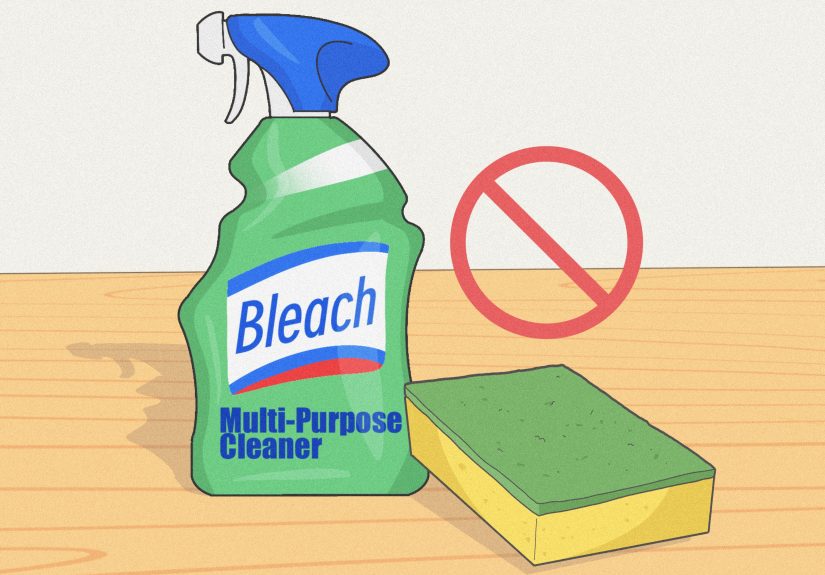
Avoid bleach, abrasive cleaners, steel wool, and strong solvents inside the microwave. They can damage surfaces, leave residue, or create fumes you do not want near food.
Forgetting the Door and Ceiling
Most people wipe the floor of the microwave and call it a day. Meanwhile, the ceiling is up there collecting sauce freckles and popcorn grease. Do the full interior, especially the inside of the door.
How Often Should You Clean Your Microwave?
For best results, wipe up fresh splatters as soon as they happen and give the microwave a deeper steam clean about once a week if you use it often. If your microwave gets daily use, regular light cleaning is much easier than waiting until the inside resembles a mural made of tomato soup.
A simple habit helps: after reheating anything likely to splatter, check the inside before walking away. A ten-second wipe today can save you from a ten-minute scrub later.
Extra Tips for a Cleaner Microwave
- Cover bowls and plates with a microwave-safe lid or splatter cover to prevent messes.
- Clean spills while they are fresh whenever possible.
- Use the lemon method as part of a weekly kitchen reset.
- Dry the inside after cleaning so moisture does not linger.
- If your microwave has a manufacturer-specific cleaning cycle or steam-clean feature, follow the manual.
FAQ: Cleaning a Microwave With Lemon
Can lemon really remove baked-on food in the microwave?
Yes, especially when the mess is food-based splatter and grease. The steam loosens dried residue so it wipes away more easily. Very old or heavy buildup may need a second steam cycle or a baking soda paste.
How long should I microwave lemon water?
Usually 2 to 5 minutes is enough. The goal is steam, not a boiling citrus volcano. Let it sit with the door closed for a few more minutes after heating.
Can I use bottled lemon juice instead of a fresh lemon?
Yes. Fresh lemon smells better and gives you the peel for extra citrus power, but bottled lemon juice can still help create a deodorizing steam clean.
What if I do not have lemon?
White vinegar is a common backup for steam cleaning a microwave. It is effective, though the scent is not exactly spa-like. Lemon tends to win the fragrance contest.
Real-Life Kitchen Experiences: What This Method Feels Like in Practice
In real homes, the lemon method is popular because it feels doable on an ordinary Tuesday. You do not need a shopping trip, a complicated checklist, or a free afternoon. Most people already have water, a bowl, and at least one lemon rolling around in the fridge drawer pretending to be decorative. That convenience matters. A cleaning trick only becomes useful when people will actually use it.
One common experience is surprise at how fast the steam changes the mess. At first, the inside of the microwave can look hopeless: orange sauce specks on the ceiling, dried beans welded to the turntable, and a mysterious sticky patch in the corner that no one in the household is willing to explain. Then the lemon water heats, the window fogs up, and suddenly the grime starts behaving less like concrete and more like something that can be wiped away in two passes.
Another real-world lesson is that timing matters. People often think the heating stage is the whole trick, but the waiting period is where the magic really settles in. Letting the steam sit in the closed microwave for a few minutes makes a huge difference. It is a little like letting a tough pan soak in the sink. Patience is not always glamorous, but it is often cheaper than scrubbing.
There is also the smell factor, which is a bigger deal than it sounds. Microwaves tend to collect the memory of every meal. Reheated pizza leaves one note, burned popcorn leaves another, and fish can leave a dramatic performance that stays for days. Lemon helps cut that stale, layered odor and replaces it with something much fresher. The kitchen feels cleaner, even before every last crumb is gone.
For families, this method works well because it is simple enough to become a routine. A parent can steam the microwave while packing lunches. A college student can do it in a small apartment without storing harsh cleaners. Someone hosting guests can run the lemon bowl while wiping counters, then finish the microwave before anyone sees the evidence of last week’s soup explosion.
That said, experience also teaches a little humility. Not every microwave becomes spotless in one round. If baked-on food has been there long enough to qualify for voting rights, you may need a second steam cycle and a dab of baking soda paste. That does not mean the method failed. It just means your microwave has character development.
People also learn quickly that a microfiber cloth tends to beat a flimsy paper towel. Soft cloth grabs loosened grease better, especially on the ceiling and around the door edges. And washing the turntable separately is worth the extra minute. Once the glass plate is cleaned in warm, soapy water, the whole appliance looks dramatically better.
Perhaps the best thing about this method is psychological. A dirty microwave often feels worse than it is because the mess is enclosed, splattered at eye level, and somehow always illuminated. Cleaning it with lemon turns the chore into something manageable. It smells good, it costs very little, and the before-and-after difference is obvious. In the world of household chores, that is practically a standing ovation.
So if your microwave is currently wearing a crusty badge of honor from months of leftovers, know this: a lemon, a bowl of water, and a few minutes of steam can get you surprisingly far. It is not magic, but it is close enough for kitchen work.
Conclusion
If you want an easy, affordable way to clean a microwave with a lemon, this method is hard to beat. The steam loosens dried splatters, the lemon helps freshen the interior, and the whole job usually takes less than 15 minutes from start to finish. For everyday messes and most baked-on food, it is a smart natural cleaning solution that keeps your microwave fresh without turning your kitchen into a chemical lab.
Use it weekly, wipe spills early, and your microwave will stay in much better shape. And that means the next time you open the door, you will see a clean appliance instead of a cautionary tale.