Table of Contents >> Show >> Hide
- What Causes a Musty Smell in Clothes?
- How to Get Rid of Musty Smell in Clothes
- Best Musty-Smell Fixes by Fabric Type
- How to Clean a Washing Machine That Makes Clothes Smell Musty
- How to Prevent Musty Smell in Clothes
- When the Musty Smell Could Mean Mold
- Frequently Asked Questions
- Real-Life Laundry Experiences: What This Problem Actually Feels Like
- Conclusion
Nothing ruins a clean-shirt moment faster than pulling a “freshly washed” tee from the dryer and realizing it smells like a damp basement with a grudge. That musty smell in clothes is one of the most common laundry complaints, and unfortunately, it does not fix itself through optimism, denial, or an extra spritz of body spray.
The good news is that musty laundry usually has a logical cause and a very fixable solution. The bad news is that the cause is often hiding in plain sight: wet clothes sitting too long, a washer that needs attention, detergent buildup, slow drying, or storing fabrics before they are fully dry. In other words, your laundry routine may be accidentally hosting a tiny moisture festival.
In this guide, you will learn what causes clothes to smell musty, how to remove the odor safely, how to tell when your washing machine is the real troublemaker, and what habits help keep towels, shirts, jeans, bedding, and gym clothes smelling actually clean. We will also cover fabric-specific tips, prevention strategies, and relatable real-life laundry experiences at the end, because this problem has humbled almost everyone with a hamper.
What Causes a Musty Smell in Clothes?
A musty smell usually comes down to one thing: moisture hanging around longer than it should. When fabric stays damp, odor-causing microbes and mildew can settle in, especially if the item is trapped in a washer, hamper, closet, or poorly ventilated room.
1. Clothes sat wet in the washer too long
This is the classic laundry betrayal. You start a load, life gets busy, and six hours later your laundry has marinated into a weird sour-musty funk. Even if the items are technically washed, damp fabric left in a closed machine can quickly develop odor.
2. Your washing machine smells, too
Sometimes the clothes are not the problem. The washer is. Front-load and high-efficiency machines are excellent at saving water, but they can also trap moisture, detergent film, lint, and fabric softener residue. Over time, that buildup can create a stale or mildewy smell that transfers right back onto clothing.
3. Too much detergent or the wrong detergent
More soap does not always mean cleaner clothes. In fact, too much detergent can leave residue behind, especially in HE machines. That residue traps dirt and moisture, and suddenly your “lavender rainstorm” detergent has become a supporting actor in a mildew documentary.
4. Clothes were not dried completely
Even slightly damp clothing can turn musty in storage. This happens a lot with towels, denim, sweatshirts, and thick socks because they hold moisture longer than lightweight fabrics. If items are folded, boxed, or hung in a crowded closet before fully drying, that odor can return fast.
5. Humid air slowed the drying process
Sometimes the washer did everything right, but the room did not. Air-drying indoors without enough airflow, drying clothes in a humid laundry room, or hanging them outside on a sticky day can leave moisture lingering in the fibers. The result is that “clean, but suspicious” smell nobody asked for.
6. Sweat, body oils, or mildew are stuck in the fabric
Activewear, towels, uniforms, and synthetic fabrics can trap odor more stubbornly than basic cotton tees. When sweat, oil, detergent residue, and moisture build up together, one normal wash cycle may not be enough to fully reset the fabric.
How to Get Rid of Musty Smell in Clothes
If your clothes already smell musty, do not panic and do not immediately throw everything away. Most washable items can be saved with the right method.
Step 1: Sort the laundry and check the care labels
Before you go into stain-fighting warrior mode, separate whites, colors, delicates, towels, and activewear. Then check the care label. The warmest water safe for the fabric is usually the most effective place to start, but silk, wool, cashmere, and some stretch fabrics need gentler treatment.
Step 2: Use a pre-treatment for odor
For washable everyday fabrics like cotton, polyester, and blends, one of the easiest approaches is a soak with white vinegar and water before rewashing. A baking soda boost in the wash can also help neutralize odor. For persistent mildew smell or visible mold on washable items, oxygen bleach may help, especially on color-safe loads.
Simple options for washable clothes:
- Vinegar soak: Soak in a vinegar-and-water solution before laundering.
- Baking soda in the wash: Add a small amount to help neutralize odors.
- Oxygen bleach: Useful for stubborn mildew odor and many color-safe fabrics.
- Heavy-duty detergent: Especially helpful for towels, workout clothes, and garments with body-oil buildup.
Important: Always test delicate items first and never mix bleach with ammonia or other cleaners. If you use chlorine bleach, make sure the fabric allows it.
Step 3: Rewash in the warmest water safe for the fabric
Hotter water, when the garment permits it, can help remove odor more effectively than a cool rinse. That does not mean every load needs to be boiled into another dimension. It just means your lukewarm “eco quick wash” may not be enough for deeply musty towels or gym gear.
Use a normal or longer cycle rather than the fastest setting. If the machine is packed too tightly, detergent and water cannot move through the load properly, so leave enough room for items to circulate.
Step 4: Dry completely before storing
This step matters more than people think. If the item still smells even faintly damp, it is not done. Dry it fully in a dryer if the fabric allows, or hang it in a sunny, breezy, well-ventilated area. Sunlight can help freshen fabrics, and airflow is your best friend here.
Do not fold, stack, or hang clothing in a crowded closet until it is completely dry. “Mostly dry” is how musty smell comes back for a sequel.
Step 5: Repeat if needed
For stubborn items, one wash may not do the trick. Rewash the garment after treating it again, especially if the odor is years old, came from storage, or has soaked into towels, pet blankets, or synthetic activewear. Persistent odor often means the first wash loosened the problem but did not fully remove it.
Best Musty-Smell Fixes by Fabric Type
Cotton, polyester, and blends
These are usually the easiest to rescue. Use a vinegar soak, then wash with detergent and, if needed, baking soda or oxygen bleach. Dry thoroughly.
Towels and bedding
Towels are notorious odor hoarders because they stay damp longer and absorb body oils, detergent residue, and humidity. Wash with a strong detergent, skip fabric softener if buildup is a problem, and dry until fully finished, not “good enough.”
Activewear and gym clothes
Synthetic fibers love to trap sweat and odor. Turn garments inside out, use an odor-fighting detergent or oxygen bleach soak if fabric-safe, and avoid leaving them sweaty in a bag or hamper for days. Your workout shirt should smell like effort, not archaeological discovery.
Delicates like wool, silk, and cashmere
Handle these gently. Cold water, mild detergent, and shorter soaks are safer. Lay flat to dry in a well-ventilated area. Avoid aggressive bleach treatments and high heat unless the care label clearly allows it.
How to Clean a Washing Machine That Makes Clothes Smell Musty
If every load comes out smelling off, your washer may be the source. Cleaning the machine is often the turning point.
Clean the gasket, dispenser, and drum
Front-load washers often trap water in the rubber door gasket. Pull back the folds and check for grime, lint, or black spots. Clean the detergent drawer, too, because buildup hides there. Then run the washer’s cleaning cycle or an empty hot cycle with a washer cleaner, following the manufacturer’s instructions.
Check the filter and drain area
Some washers have a filter that catches lint, hair, debris, or leftover mystery objects from pockets. If it is clogged, water may not drain properly, and stagnant moisture can create odor. Consult your machine manual for safe cleaning steps.
Leave the door or lid open after each load
This small habit makes a big difference. Airflow helps dry leftover moisture in the tub, gasket, and drum. If you close the washer immediately after use, you are basically tucking damp air in for a nap.
Use the right detergent in the right amount
If you have an HE machine, use HE detergent. More is not better. Excess suds and residue can build up inside the machine and feed odor problems. Fabric softener can also contribute to buildup in some cases, so cut back if your washer or clothes are starting to smell stale.
How to Prevent Musty Smell in Clothes
Once you get the odor out, prevention is much easier than repeating a laundry rescue mission every week.
- Move wet laundry to the dryer or drying rack right after the cycle ends.
- Clean your washer regularly, especially the gasket, dispenser, and drum.
- Leave the door or lid open between loads for ventilation.
- Use the proper amount of detergent and the correct type for your machine.
- Avoid overloading the washer or dryer.
- Dry thick fabrics completely before folding or storing.
- Improve airflow in humid laundry rooms with a fan or dehumidifier.
- Store clothes only when they are fully dry.
- Wash sweaty or damp items promptly instead of letting them sit in a hamper.
When the Musty Smell Could Mean Mold
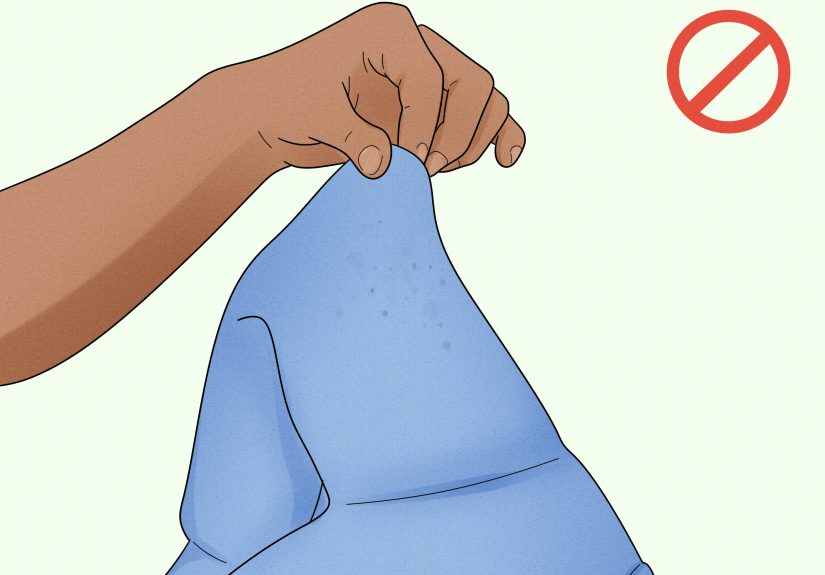
A simple musty smell is often just a moisture-and-residue problem, but visible mold is different. If you see spots, fuzzy growth, or staining that keeps returning, you may be dealing with mildew or mold contamination.
Washable items can often be treated, but if a garment is delicate, dry-clean-only, badly weakened, or heavily mold-damaged, replacement may be the smarter option. If the odor seems to come from a closet wall, laundry room, or repeated dampness in the home, the bigger issue may be moisture in the space itself, not the fabric. In that case, fixing the moisture source matters just as much as rewashing the clothes.
Frequently Asked Questions
Why do clothes smell musty after washing?
The usual reasons are a dirty washer, wet clothes sitting too long, too much detergent, slow drying, or storing items before they are fully dry.
Does vinegar remove musty smell from clothes?
It often helps, especially as a pre-soak or rinse support for washable fabrics. It is not a magic wand for every textile, but it is a popular odor-neutralizing option.
Does baking soda help with musty laundry?
Yes, baking soda can help neutralize odors when added to the wash. It is especially useful when the smell is mild to moderate and the clothing is otherwise washable.
Can I use bleach to remove mildew smell?
Sometimes, but only on fabrics that allow it. Chlorine bleach is not safe for every garment. Oxygen bleach is often a gentler option for many washable items. Always check the care label first.
Why do towels get musty so fast?
Because they stay damp longer, absorb body oils, and often collect detergent or softener residue. Towels need strong cleaning, full drying, and good airflow.
Real-Life Laundry Experiences: What This Problem Actually Feels Like
Here is the funny part about musty clothes: almost nobody notices the problem during the wash. It shows up later, usually at the least convenient possible moment. It is the laundry equivalent of a jump scare.
For some people, the first clue is a favorite hoodie that smells fine in the closet but turns funky the second body heat hits it. Others discover it with towels. They come out fluffy, look perfectly clean, and then somehow smell like they spent the night in a canoe. That is when the confusion starts. You washed them. You dried them. You even used the “mountain waterfall spring cloud” detergent. And yet the towel still smells like bad decisions.
A very common experience is the forgotten washer load. You toss clothes in before work, get distracted, and remember them sometime after dinner. At that point, the washer door opens and releases a smell that says, “I have evolved.” Many people try rewashing immediately and get partial improvement, only to realize the odor returns because the machine itself needs cleaning, too.
Another familiar story involves seasonal storage. You pull out sweaters, jackets, or guest-room bedding after months in a bin or closet, and everything smells stale, dusty, and vaguely haunted. In those cases, the problem is often a mix of trapped humidity, poor airflow, and fabric that was stored less than completely dry. It is frustrating because the clothes are not visibly dirty, but your nose knows something is off.
Gym clothes create their own category of drama. Plenty of people wash them regularly and still deal with a lingering sour smell. That happens because synthetic fibers hold onto sweat and body oils more stubbornly than basic cotton. A quick wash on cold may remove surface dirt, but it does not always knock out the deeper odor trapped in the fabric. The result is workout gear that smells clean for about six minutes, then mysteriously wakes back up.
Then there is the washer-cleaning revelation. This is the moment someone wipes the rubber gasket, cleans the dispenser drawer, runs a tub-clean cycle, and suddenly realizes the machine was the villain all along. It is equal parts satisfying and horrifying. Satisfying because the fix works. Horrifying because now you know where that smell has been hiding.
The reassuring part is that musty-smelling clothes are usually not a sign that you are “bad at laundry.” They are a sign that moisture, residue, and airflow got the upper hand for a bit. Once you adjust a few habits, like moving laundry quickly, drying thoroughly, cleaning the washer regularly, and storing clothes only when fully dry, the problem becomes much easier to control. Laundry may never become exciting, but at least it can stop smelling like a wet attic.
Conclusion
A musty smell in clothes usually has a simple explanation: too much moisture, not enough airflow, and a little help from residue or mildew. The fastest path to fresher laundry is to treat the affected items, wash them properly, dry them completely, and clean the machine if it is contributing to the odor. Add a few smart prevention habits, and your laundry routine becomes far less dramatic.
In other words, your clothes do not have to smell like a forgotten basement novel. With the right laundry habits, they can go back to smelling like what they are supposed to smell like: nothing weird.