Table of Contents >> Show >> Hide
- Why Mushrooms Spoil So Quickly
- How to Keep Mushrooms Fresh: 9 Steps
- Step 1: Choose Fresh Mushrooms Before You Store Them
- Step 2: Refrigerate Mushrooms As Soon As Possible
- Step 3: Keep Mushrooms in Their Original Packaging Until Opened
- Step 4: Move Loose or Opened Mushrooms to a Paper Bag
- Step 5: Do Not Wash Mushrooms Before Storing
- Step 6: Keep Mushrooms Away From Strong-Smelling Foods
- Step 7: Use Fresh Mushrooms Within About 5 to 7 Days
- Step 8: Know the Signs That Mushrooms Have Gone Bad
- Step 9: Cook and Freeze Mushrooms for Longer Storage
- Best Containers for Storing Mushrooms
- Should You Store Sliced Mushrooms Differently?
- How to Clean Mushrooms Without Ruining Them
- Common Mushroom Storage Mistakes
- Practical Experience: What Actually Works in a Real Kitchen
- Conclusion
Mushrooms are tiny kitchen divas. Treat them well and they reward you with deep, savory flavor, silky texture, and the magical ability to make almost any meal taste like you knew what you were doing. Treat them badly and they become sad, slippery little sponges hiding in the back of the fridge like they owe you money.
The good news? Learning how to keep mushrooms fresh is not complicated. You do not need a special gadget, a mushroom degree, or a refrigerator with more buttons than a spaceship. You only need three basic ideas: keep mushrooms cold, give them airflow, and protect them from excess moisture.
This guide explains how to store fresh mushrooms the smart way, whether you bought white button mushrooms, cremini, portobello, shiitake, oyster mushrooms, or a fancy farmers market variety with a name that sounds like a jazz musician. Follow these nine steps and your mushrooms will stay firmer, cleaner, and more flavorful for longer.
Why Mushrooms Spoil So Quickly
Mushrooms are not vegetables in the botanical sense; they are fungi. In the kitchen, that matters because they behave differently from sturdy produce like carrots, potatoes, or cabbage. Fresh mushrooms have a high water content and a delicate structure. They breathe, absorb moisture, release moisture, bruise easily, and pick up odors from nearby foods.
That is why the usual “just toss it in a plastic bag and hope for the best” method often fails. Airtight plastic traps humidity. Humidity leads to condensation. Condensation leads to sliminess. Sliminess leads to you standing in front of the fridge asking, “Was this always shiny?” Spoiler: no, it was not.
To keep mushrooms fresh, you want a storage method that slows spoilage without suffocating them. A paper bag, original breathable packaging, or a container with airflow usually works better than sealed plastic. The refrigerator does the temperature work; the right packaging does the moisture management.
How to Keep Mushrooms Fresh: 9 Steps
Step 1: Choose Fresh Mushrooms Before You Store Them
Freshness starts at the store, not in your refrigerator. If you bring home tired mushrooms, no storage trick will turn them into produce royalty. Look for mushrooms that are firm, plump, and dry on the surface but not shriveled. The caps should be smooth and free from mold, wet patches, dark slimy spots, or strong unpleasant odors.
For button mushrooms and cremini mushrooms, a closed or slightly closed veil under the cap usually means a milder, more delicate flavor. If the gills are more exposed, the mushroom may taste deeper and earthier. Both can be good; the key is texture. Firm is your friend. Limp is a red flag wearing a tiny mushroom hat.
If buying loose mushrooms, pick ones that look evenly colored and avoid any that are crushed at the bottom of the bin. If buying packaged mushrooms, check the underside of the container. Too much liquid or condensation inside the package is a sign that the mushrooms may spoil faster once you get them home.
Step 2: Refrigerate Mushrooms As Soon As Possible
Fresh mushrooms belong in the refrigerator. They are perishable produce, and cold storage slows the growth of spoilage organisms and helps preserve quality. Do not leave mushrooms on the counter for hours while you organize the pantry, answer messages, and suddenly decide to rearrange your spice shelf by emotional importance.
Once you get home from the grocery store, put mushrooms in the refrigerator promptly. A refrigerator temperature of 40°F or below is the safe target for perishable foods. If your fridge has mysterious temperature moods, use a small refrigerator thermometer. It is inexpensive, easy to use, and less dramatic than discovering your “cold” fridge is basically a lightly chilled cabinet.
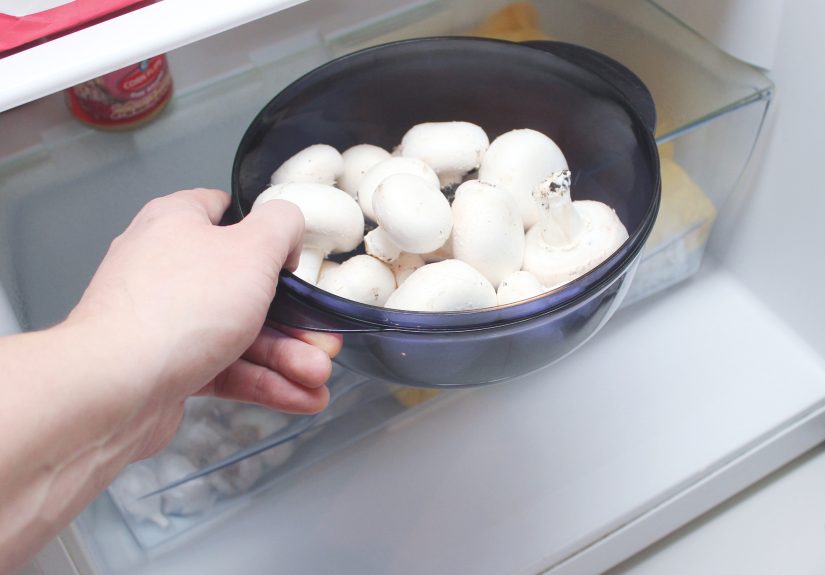
The best spot is usually the main refrigerator compartment or the crisper drawer if it is not too humid. Mushrooms like cool conditions, but they do not love being trapped in a wet environment. If your crisper drawer has humidity controls, choose a lower-humidity setting when possible.
Step 3: Keep Mushrooms in Their Original Packaging Until Opened
If your mushrooms came in a store container with plastic wrap or ventilation holes, you can usually leave them in that packaging until you are ready to use them. Many commercial mushroom packages are designed to allow some airflow while preventing the mushrooms from drying out too quickly.
Do not open the package just to “let them breathe” unless the container is soaked with condensation or the mushrooms look crowded and damp. Every time you handle mushrooms, you increase the chance of bruising them. Mushrooms are sensitive. They are basically the introverts of the produce aisle.
Once the package has been opened, the storage situation changes. The plastic wrap may no longer fit properly, and moisture can collect more easily. That is when a paper bag becomes the hero of the story.
Step 4: Move Loose or Opened Mushrooms to a Paper Bag
A paper bag is one of the easiest ways to keep mushrooms fresh because it allows airflow and absorbs small amounts of excess moisture. Place loose mushrooms in a clean brown paper bag, fold the top loosely, and store the bag in the refrigerator. Do not roll it into a tight little mushroom burrito. The goal is gentle protection, not solitary confinement.
Paper helps prevent surface moisture from building up, which reduces the risk of sliminess. It also keeps mushrooms from drying out as quickly as they would if left uncovered on a refrigerator shelf. This balance is exactly what mushrooms need: cool air, light breathing room, and no personal swimming pool.
If you do not have a paper bag, use a container lined with a dry paper towel and leave the lid slightly ajar. Another option is a reusable produce bag designed for airflow. Avoid sealed zipper bags unless you are storing already cooked mushrooms or freezing them after proper preparation.
Step 5: Do Not Wash Mushrooms Before Storing
Clean mushrooms only when you are ready to cook or eat them. Washing before storage adds moisture, and extra moisture is the fastest way to turn firm mushrooms into slippery regret. Even a quick rinse can leave water hiding in gills, stems, and cap edges.
Instead, store mushrooms dry. When it is time to use them, brush off dirt with a soft brush, wipe them with a damp paper towel, or rinse briefly under cool running water and pat them dry right away. Mushrooms are porous, so avoid soaking them. A short rinse is fine when needed, but a long bath is not a spa day; it is a texture crime.
Also skip soap, detergent, or commercial produce washes. Plain running water is the standard recommendation for fresh produce. Soap can be absorbed by porous foods and is not meant to be eaten, which is a sentence that should not need saying but somehow does.
Step 6: Keep Mushrooms Away From Strong-Smelling Foods
Mushrooms absorb aromas easily. Store them away from onions, garlic, fish, strongly seasoned leftovers, and anything in the fridge that smells like it has a secret past. Unless you want shiitake mushrooms with a surprise onion perfume, give them a little space.
This is another reason paper bags work well. They protect mushrooms without sealing in humidity. However, paper is not armor. If your refrigerator contains uncovered leftovers or powerful odors, mushrooms may still pick them up. Keep smelly foods covered in containers, and your mushrooms will taste more like mushrooms and less like yesterday’s mystery casserole.
Good refrigerator organization also improves food safety. Keep raw meat, poultry, and seafood below ready-to-eat foods and produce so juices cannot drip onto them. Mushrooms may be cooked later, but they should still be protected from cross-contamination.
Step 7: Use Fresh Mushrooms Within About 5 to 7 Days
Fresh mushrooms are best used within several days, and many varieties keep for about five days to one week when stored properly. The exact timing depends on how fresh they were when purchased, the variety, packaging, refrigerator temperature, and how often your fridge door opens. A mushroom stored by someone who opens the fridge every ten minutes “just to check” may have a different journey than one in a calm, cold refrigerator.
Button mushrooms and cremini mushrooms often last close to a week if stored dry in breathable packaging. Delicate mushrooms, such as oyster mushrooms or some specialty varieties, may have a shorter window. Large portobello mushrooms can last well, but their gills and broad caps may hold moisture if packaged poorly.
For the best flavor and texture, plan meals around your mushrooms early in the week. Add them to omelets, stir-fries, pasta, soups, tacos, grain bowls, pizza, or a quick sauté with butter, garlic, and herbs. Waiting until day eight and hoping for miracles is not meal planning; it is mushroom roulette.
Step 8: Know the Signs That Mushrooms Have Gone Bad
Before using mushrooms, inspect them. Fresh mushrooms should smell mild and earthy. They should feel firm or slightly springy, not wet, sticky, or slimy. A little darkening can happen with age, especially on cut edges, but heavy discoloration, mushy spots, mold, or a sour odor means it is time to throw them away.
Do not taste questionable mushrooms to “check.” Your mouth is not a freshness laboratory. If the mushrooms look rotten, smell unpleasant, or feel slick, discard them. Food waste is annoying, but food poisoning is not exactly a fun weekend activity.
Small dry spots or slight wrinkling may mean the mushrooms are past their prime but not necessarily unsafe. If they still smell fine and are not slimy or moldy, they may work in cooked dishes where texture is less important, such as soup, sauce, or stock. When in doubt, be cautious.
Step 9: Cook and Freeze Mushrooms for Longer Storage
If you cannot use fresh mushrooms in time, cook them before freezing. Freezing raw mushrooms often damages their texture because of their high water content. They may thaw soft, watery, and less appealing. Cooking first removes some moisture and helps preserve flavor.
The simplest method is sautéing. Slice the mushrooms, cook them in a small amount of oil or butter until most of the moisture evaporates, let them cool, and pack them in freezer-safe containers or bags. Label the container with the date, because future-you deserves clues.
You can also blanch or steam mushrooms before freezing, especially if you are preserving a larger batch. For everyday home cooking, sautéing is usually easier and tastier. Frozen cooked mushrooms are great for soups, sauces, casseroles, rice dishes, and quick weeknight meals. They may not have the same texture as fresh mushrooms, but they are far better than discovering a forgotten container of fridge mushrooms that has evolved into modern art.
Best Containers for Storing Mushrooms
The best container for fresh mushrooms is breathable. A brown paper bag is the classic choice because it manages moisture and allows air exchange. Original packaging also works well when unopened, especially if it has ventilation. A container lined with paper towels can work if the lid is loose or vented.
The worst option is usually an airtight plastic bag for raw mushrooms. Plastic traps condensation, and condensation speeds spoilage. If mushrooms are already wrapped in plastic at the store, that does not automatically mean disaster. Commercial packaging may be designed for short-term display and airflow. The problem usually starts when opened mushrooms are dumped into a sealed plastic bag and forgotten.
Glass containers with tight lids are excellent for cooked mushrooms, but not ideal for raw mushrooms unless you add a paper towel and leave some ventilation. Reusable produce containers can work if they are designed to reduce condensation. The rule is simple: if the container turns into a tiny rainforest, your mushrooms will not be thrilled.
Should You Store Sliced Mushrooms Differently?
Sliced mushrooms spoil faster than whole mushrooms because more surface area is exposed to air and moisture. If you buy pre-sliced mushrooms, keep them refrigerated in their original packaging and use them quickly. Once opened, transfer them to a paper bag or a lightly covered container lined with paper towel.
For the longest shelf life, buy whole mushrooms and slice them right before cooking. Whole mushrooms are less exposed and usually hold their texture better. Pre-sliced mushrooms are convenient, but convenience often has a shelf-life tax. They are perfect for fast dinners, not for “I might use these sometime next week” optimism.
How to Clean Mushrooms Without Ruining Them
There is a long-running kitchen debate about whether mushrooms should be washed or wiped. The practical answer is: clean them gently right before using. If they are barely dirty, wipe them with a damp paper towel or brush them with a soft mushroom brush. If they have visible grit, rinse briefly under cool running water and dry immediately.
Do not soak mushrooms in a bowl of water. They can absorb water, and excess moisture makes browning harder when cooking. Dry mushrooms sauté beautifully. Wet mushrooms steam first, then eventually brown after they have released enough liquid. That is not a tragedy, but it does make dinner slower and less delicious.
If you want golden sautéed mushrooms, dry them well, avoid overcrowding the pan, and cook over medium-high heat. Give them room. Mushrooms need personal space to become delicious.
Common Mushroom Storage Mistakes
Storing Mushrooms in Sealed Plastic
This is the classic mistake. Sealed plastic traps moisture and accelerates sliminess. Use paper or breathable packaging instead.
Washing Before Refrigerating
Clean mushrooms right before use, not before storage. Dry storage keeps mushrooms fresher longer.
Forgetting Them Behind Other Foods
Mushrooms are best used within days. Keep them visible so they do not disappear behind the pickles and reappear as a science project.
Ignoring Odor and Texture
Slimy, sour-smelling, moldy, or mushy mushrooms should be discarded. No recipe is good enough to rescue questionable fungi.
Practical Experience: What Actually Works in a Real Kitchen
After storing many batches of mushrooms in ordinary home refrigerators, the best method is also the least glamorous: buy firm mushrooms, keep them dry, put them in a paper bag, and use them before the week gets away from you. That sounds almost too simple, but it works. Mushrooms do not need luxury. They need airflow, cool temperatures, and a storage plan that does not involve trapping them in a sweaty plastic cave.
One useful habit is to check mushrooms the day after grocery shopping. If the original package still looks dry and clean, leave it alone. If you see condensation forming under the plastic wrap, open the package and move the mushrooms into a paper bag. This small decision can add useful time, especially when the refrigerator is packed or the mushrooms were bought on a humid day.
Another practical trick is to store mushrooms near the front of the refrigerator. Not in the door, where temperatures can fluctuate, but near the front of a shelf where you can see them. The biggest enemy of fresh mushrooms is not always moisture; sometimes it is forgetfulness. A visible paper bag labeled “mushrooms” may sound unnecessary until you find three ancient produce bags in the back of the fridge and begin questioning your life choices.
Meal planning also helps. When mushrooms come home, give them a job immediately. Monday mushrooms can become omelet filling. Tuesday mushrooms can go into pasta. Wednesday mushrooms can be sautéed and frozen if the week becomes chaotic. This is better than buying mushrooms with a vague dream of “healthy cooking” and no actual plan. Mushrooms are ingredients, not fridge decorations.
If you cook often, pre-cooking mushrooms before they turn questionable is a smart rescue move. Slice them, sauté them until browned, cool them, and store them in the refrigerator for a few days or freeze them for later. Cooked mushrooms are incredibly useful. Add them to scrambled eggs, ramen, fried rice, grilled cheese, burgers, chicken dishes, or creamy sauces. They bring umami with very little effort, like tiny flavor interns who actually do their work.
For specialty mushrooms, be even more attentive. Oyster mushrooms, lion’s mane, maitake, and other delicate varieties can be more fragile than standard button mushrooms. They may bruise easily or dry out at the edges. Store them gently, avoid stacking heavy foods on top, and use them sooner. A paper bag still helps, but timing matters. The fancier the mushroom, the less you should treat it like a forgotten bag of carrots.
Finally, trust your senses. Fresh mushrooms should look alive in the culinary sense: firm, earthy, and ready for the pan. If they smell sour, feel slick, or show mold, let them go. The goal is not to win a personal battle against food waste at any cost. The goal is to enjoy mushrooms when they are delicious and store them well enough that fewer end up in the trash.
Conclusion
Keeping mushrooms fresh is mostly about respecting their delicate nature. Store them cold, dry, and breathable. Keep unopened mushrooms in their original packaging when it is clean and dry. Move loose or opened mushrooms to a paper bag. Do not wash them until you are ready to use them. Keep them away from strong odors, check them regularly, and cook or freeze them before they decline.
When you follow these nine steps, fresh mushrooms stay firmer, taste better, and make weeknight cooking easier. Your pasta gets more flavor. Your omelets get more personality. Your fridge gets fewer mysterious slimy surprises. Everybody wins, except maybe the takeout app.