Table of Contents >> Show >> Hide
- First, Think Like a Hamster (A Very Small Introvert)
- Set Up a Trust-Friendly Home (Because Fear Lives in Bad Housing)
- The “New Hamster” Rule: Let Them Settle First
- Use Food the Right Way (Bribery, But Make It Ethical)
- How to Approach Without Freaking Them Out
- Handling 101: The Safe Scoop Method
- Timing Matters: Bond on Hamster Hours
- Learn Hamster Body Language (So You Don’t “Apologize” After a Bite)
- What Breaks Trust Fast (AKA: Hamster Betrayal Classics)
- Make Your Hamster Trust Your Scent
- Enrichment That Builds Bonding (Without Over-Handling)
- Special Notes for Kids and Families
- When Trust Problems Are Actually Health Problems
- Troubleshooting: Common Scenarios
- A 2-Week Trust Plan You Can Actually Follow
- of Real-Life Bonding Experiences (What It Feels Like When Trust Clicks)
- Conclusion
Your hamster isn’t being “dramatic.” They’re being a hamstersmall, snack-sized, and convinced the world is full of
invisible hawks with credit cards. Trust, for a prey animal, is basically a security clearance. The good news: you
can earn it. The even better news: the process involves tiny snacks and gentle vibes.
This guide walks you through what actually builds hamster trust (and what accidentally destroys it), with a calm,
humane, hamster-brain-friendly plan you can follow even if your pet currently views your hand as either (1) a
predator or (2) a vending machine that sometimes grabs back.
First, Think Like a Hamster (A Very Small Introvert)
Hamsters are prey animals. Their default setting is “suspicious but hungry.” Trust grows when your hamster learns
three things:
- You are predictable (same routine, same gentle approach).
- You are safe (no grabbing, chasing, or surprise wake-ups).
- You bring good things (treats, enrichment, and calm handling).
If you remember only one concept, make it this: trust is built in tiny moments, not one big “bonding” session.
Set Up a Trust-Friendly Home (Because Fear Lives in Bad Housing)
You can’t “train” trust in an environment that constantly stresses your hamster out. Before you focus on handling,
make sure their setup supports confidence and comfort.
Give your hamster hiding spots (privacy is self-care)
A hamster that can hide relaxes faster. Include at least two hidesone for sleeping and one for “I don’t know you
yet” moments. Add tunnels, paper bedding for burrowing, and a quiet area away from TV speakers and barking dogs.
Provide enrichment daily (boredom turns into crankiness)
Chews, tunnels, foraging toys, and scatter-feeding make your hamster feel busy and in control. That sense of control
matters: animals bond faster when they don’t feel trapped in chaos.
Make sure the wheel and basics are right
A properly sized wheel (so the back doesn’t arch), fresh water, and a consistent diet reduce stress and improve mood.
Think of it as: fewer problems in hamster life = more emotional bandwidth for trusting you.
The “New Hamster” Rule: Let Them Settle First
If you just brought your hamster home, don’t rush handling on day one. Moving is stressful. New smells, new cage,
new everything. Give them time to learn the map.
Days 1–3: Observe, don’t grab
- Keep the room calm and the enclosure stable (avoid constant rearranging).
- Talk softly near the cage so your voice becomes familiar.
- Offer a treat through the bars or set it near the entrance of their hide.
You’re not “ignoring” themyou’re proving you’re not a threat.
Days 4–7: Start the treat ladder
The treat ladder is simple: near you → from you → on you → with you. Each step might take days.
That’s normal.
Use Food the Right Way (Bribery, But Make It Ethical)
Hamsters are often food-motivated, which is excellent news for your social life. Use small treatstiny enough that
you’re not turning your hamster into a fuzzy balloon with legs.
Best bonding treats (small, safe, high-value)
- Plain, unsweetened oat flake or a small piece of oat
- A tiny bit of cooked egg (occasional)
- Small pieces of cucumber or leafy greens (in moderation)
- A single sunflower seed (high value, don’t overdo it)
Avoid “trust traps”
Don’t lure your hamster onto your hand and then immediately scoop them into the air. That teaches:
treats lead to betrayal. Instead, reward calm behavior and let them step off whenever they want.
How to Approach Without Freaking Them Out
Hamsters get startled easily, especially if they’re sleeping. Many bites happen because a hamster wakes up to a
sudden touch and chooses chaos.
Approach checklist
- Wash your hands first so your fingers don’t smell like food.
- Let them know you’re theresoft voice, slow movement, no dramatic shadow looming.
- Avoid grabbing from above (predator vibes).
- Start at their level, offering a treat on an open palm.
Handling 101: The Safe Scoop Method
When your hamster is ready, aim for handling that feels like “supported exploration,” not “unexpected elevator ride.”
Step-by-step handling progression
- Hand in cage, palm down: Let them sniff you without pressure.
- Treat on palm: Keep your hand still. Let them approach.
- Treat farther onto palm: Encourage them to place more paws on your hand.
- Open palm, no treat sometimes: Teach that your hand isn’t always a food trap.
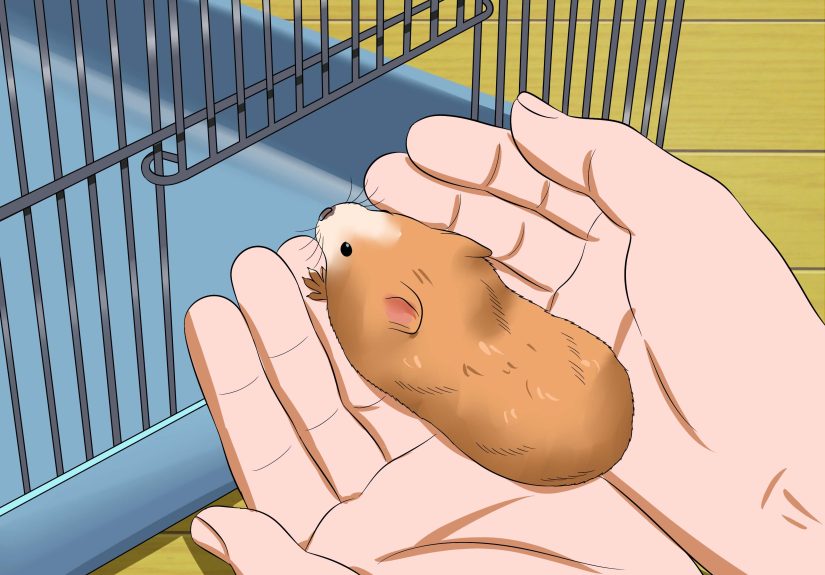
- Gentle scoop with two hands: When lifting, support their body fully.
Pro move: Use a mug or small container for nervous hamsters
If your hamster panics when you try to pick them up, let them walk into a clean mug or small container, then lift
that. It reduces fear and keeps everyone’s fingers intact.
Always handle over a soft surface
Hamsters have delicate bones and can injure themselves if they fall. Handle lowover a couch, bed, or playpen with
soft padding. No “look how cute!” lift over tile floors.
Timing Matters: Bond on Hamster Hours
Hamsters are typically most active in the evening. If you try to bond at noon, you’re basically waking someone up at
3 a.m. and asking them to trust you. Try sessions when your hamster is naturally awake.
Short sessions win
Start with 5 minutes. End on a good moment (calm sniffing, taking a treat, stepping onto your hand). Over time,
build to 10–15 minutes. More isn’t always betterstress can accumulate.
Learn Hamster Body Language (So You Don’t “Apologize” After a Bite)
Hamsters communicate mostly with behavior. When you read signals early, you prevent fear spirals.
Signs your hamster is getting comfortable
- Approaches the front of the enclosure when you enter the room
- Takes treats without darting away
- Sniffs your hand and stays nearby
- Grooms or explores while you’re present (not frozen like a statue)
Signs you should slow down
- Freezing, sudden stillness, or frantic running
- Hissing, lunging, or repeated attempts to escape your hand
- Teeth chattering or nervous nibbling that escalates
- Flattened posture or constant hiding when you approach
What Breaks Trust Fast (AKA: Hamster Betrayal Classics)
1) Chasing them around the cage
If your hamster learns that you pursue them, they’ll run sooner next time. Use treats, patience, and container
transfers instead.
2) Forcing cuddles
Many hamsters tolerate short holds but don’t enjoy long restraint. Trust is not proven by how long you can hold them
like a fuzzy stress ball. Trust is proven by how willingly they come back to you.
3) Startling them awake
If you must interact when they’re sleeping, wake them gently with your voice first and let them come out on their
own terms.
4) Inconsistent routines
Handling every day for three days, then disappearing for two weeks, then returning with “TODAY WE BOND” energy isn’t
ideal. Try a steady, predictable schedule.
Make Your Hamster Trust Your Scent
Hamsters rely heavily on scent. You can use that to your advantagewithout turning into a weird perfume commercial.
- Rub clean hands together with a bit of their bedding (lightly) before offering your hand.
- Place a plain tissue that you’ve kept in your clean shirt for a few hours into their enclosure for nesting.
- Avoid strong fragrances, scented lotions, and harsh cleaning smells around the cage.
Enrichment That Builds Bonding (Without Over-Handling)
Some hamsters never become “hold me forever” pets. That doesn’t mean they don’t trust you. Many bond best through
safe, shared activities:
Try these trust-building activities
- Scatter feeding: sprinkle food so they forage while you watch calmly.
- Foraging toys: hide treats in paper folds or cardboard tubes.
- Playpen time: sit in a secure area and let them explore around you.
- Target training: reward them for touching a spoon tip or safe target stick.
Special Notes for Kids and Families
Hamsters startle easily and may bite if frightened. For families, rules protect both hamster trust and human fingers:
- Adults supervise all handling.
- No grabbing, squeezing, or “surprise petting.”
- Handle seated and low over a soft surface.
- Teach “let the hamster choose” as the #1 rule.
When Trust Problems Are Actually Health Problems
A hamster that suddenly becomes irritable, hides constantly, or bites more than usual may be stressedor sick. Small
animals can hide illness until they’re seriously unwell. If behavior changes come with lethargy, lack of appetite,
hunched posture, breathing changes, diarrhea, or weight loss, contact an exotic-savvy veterinarian.
Troubleshooting: Common Scenarios
“My hamster bites every time.”
Go back a step. Focus on treat delivery without lifting. Make sure you aren’t waking them abruptly. Wash hands so
you don’t smell like food. Offer a container entry instead of direct pickup. Reward calm sniffing. And keep sessions
short.
“My hamster is friendly in the cage but panics outside.”
The outside world is huge and terrifying. Start with hands-in-cage handling first. Then try a playpen right next to
the enclosure, with hides and tunnels. Sit quietly and let your hamster explore at their pace.
“My hamster hides whenever I enter the room.”
Reduce intensity. Approach more slowly, speak softly, and stop hovering. Try sitting near the cage doing something
calm (reading, work) so your presence becomes normal, not a “big event.”
A 2-Week Trust Plan You Can Actually Follow
Days 1–3: Calm presence
- Talk softly near the cage
- Offer treats without touching
- Keep routine consistent
Days 4–7: Treat ladder + hand introduction
- Treat on open palm, hand still
- Let hamster approach and leave freely
- Stop sessions before your hamster gets tense
Days 8–14: Gentle handling + playpen exploration
- Two-hand scoop when hamster seems ready
- Handle low over soft surface
- Introduce playpen time with tunnels/hides
After two weeks, many hamsters are noticeably calmerapproaching faster, taking treats confidently, and stepping onto
your hand willingly. Some need longer. That’s not failure; it’s personality.
of Real-Life Bonding Experiences (What It Feels Like When Trust Clicks)
The first “trust milestone” with a hamster is usually tinyand weirdly emotional. It might be the moment they stop
sprinting into their hide when you walk by. Or the first time they take a treat and don’t immediately vanish like a
fluffy magician. People expect bonding to look like cuddling. With hamsters, bonding often looks like
less panic.
One common experience: your hamster becomes a little “nosier” about you. At first, they might only appear after the
lights are off, doing secret hamster business like reorganizing bedding and running on the wheel like they’re
training for the Tiny Olympics. Then, one day, you sit nearby andsurprisethey come out anyway. Not because they
forgot you exist, but because they’ve decided you’re not a threat. That’s huge.
Another trust moment is the “sniff and stay.” Early on, hamsters sniff your hand like it’s suspicious evidence and
then back away. Later, they sniff and linger. They might put one paw on you, then two, then climb halfway onto your
palm. It can feel like you’ve been chosen by a miniature, judgmental committee. And you havecongratulations, the
board has approved your application.
People also notice that trust grows faster when they stop trying to “win” it. The more you treat handling like a
gentle invitation, the more confident your hamster becomes. Sitting quietly in a playpen while your hamster explores
around you can be surprisingly calming. Your hamster might walk near your leg, pause, then continue exploring. That
casual closenesswithout grabbingis often when the relationship levels up. You become part of the landscape, not an
unpredictable event.
Many owners describe a phase where their hamster takes treats politely but still doesn’t want to be held. That’s
normal. Some hamsters are “look, don’t lift” personalities. Trust doesn’t always equal cuddles; sometimes it equals:
“I’m comfortable eating near you, and I don’t think you’re going to ruin my day.” If your hamster calmly forages
while you’re nearby, that’s a strong trust signal.
A funny (and common) experience is the accidental “love bite” misunderstanding. Nervous hamsters may nibble fingers
because they’re tasting, exploring, or confused by food scent. Owners often realize their hamster isn’t aggressive
just operating with a hamster-level brain cell budget. The fix is usually simple: wash hands, offer treats on a flat
palm, avoid wiggly fingers, and keep sessions short. Over time, the nibbling fades as your hamster learns what your
hand is (not food, not predator, just… you).
The most rewarding part is how trust changes the whole vibe. Your hamster becomes more curious, more relaxed, and
more willing to interact on their terms. And you get to watch a tiny creature feel safe because of the way you show
upconsistent, gentle, and respectful. That’s not just cute. That’s good animal care.
Conclusion
To make your hamster trust you, focus on the fundamentals: a low-stress environment, gentle and predictable
interactions, treat-based confidence building, and safe handling that never feels like a trap. Move at your hamster’s
pace, keep sessions short, and celebrate the small winsbecause with hamsters, small wins are the whole game. Trust
doesn’t arrive in one dramatic moment. It shows up quietly: a calm sniff, a steady paw step, a brave little choice
to come closer.