Table of Contents >> Show >> Hide
- What Is Pustular Psoriasis?
- Types of Pustular Psoriasis
- Symptoms: What You Might Notice
- When to Seek Urgent Care
- What Causes Pustular Psoriasis?
- How Pustular Psoriasis Is Diagnosed
- Treatment: What Actually Helps
- Living With Pustular Psoriasis: Practical Strategies That Matter
- Questions to Ask Your Dermatologist
- Outlook
- Conclusion
If plaque psoriasis is the “loud roommate” of the skin world, pustular psoriasis is the roommate who shows up
unannounced, rearranges your furniture, and leaves sticky notes that say, “SURPRISE.” It’s less common than
plaque psoriasis, but it can feel far more dramaticbecause it often is.
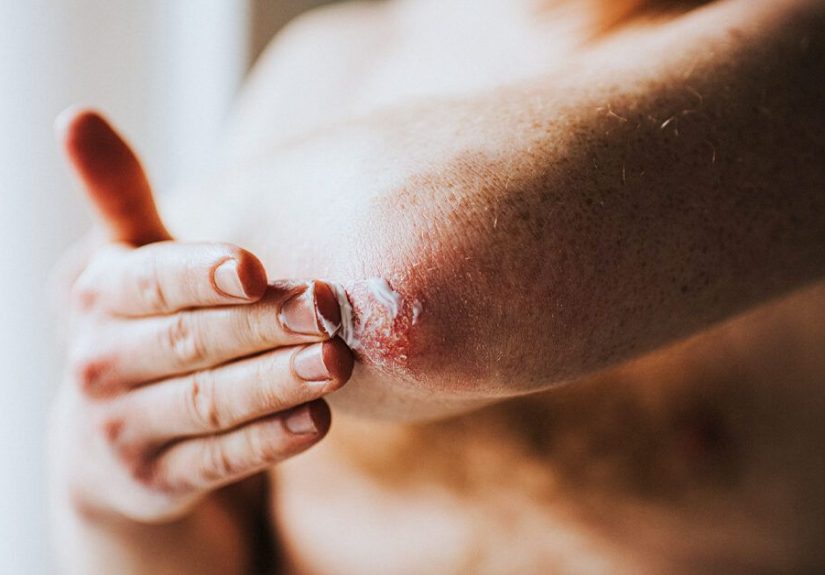
Pustular psoriasis causes visible “pustules” (pus-filled bumps) that look like an infection at first glance. The
twist: these pustules are usually sterilemeaning they aren’t caused by bacteria and aren’t contagious.
They’re driven by inflammation, not germs. That one detail matters, because it changes everything about how the
condition gets diagnosed and treated.
Below is a clear, real-world guide to the major types of pustular psoriasis, how clinicians diagnose it (and what
they must rule out), the treatments that tend to work best, and the practical “what now?” steps that help people
live with it.
What Is Pustular Psoriasis?
Pustular psoriasis is a form of psoriasis where the immune system triggers a surge of inflammation in the skin,
leading to clusters of white or yellowish pustules. Under the microscope, these pustules are typically packed
with immune cells (especially neutrophils). The surrounding skin often looks red, darker than usual, tender, or
“angry,” and the area may scale or peel as it heals.
Some cases stay localized (most commonly the palms and soles). Others become widespread and systemic, meaning the
person feels sick overallfeverish, wiped out, and dehydrated. Those severe forms can require urgent medical care.
Types of Pustular Psoriasis
1) Generalized Pustular Psoriasis (GPP)
GPP is the most serious form. It can appear suddenly and spread quickly over large areas of the body. People may
feel unwell, with symptoms like fever, chills, fast heart rate, fatigue, and significant skin pain or burning.
Because GPP can lead to complications (including problems related to dehydration and systemic inflammation), it’s
treated as a medical urgency when severe.
GPP can occur in people who have plaque psoriasis, but it can also show up in people with no previous psoriasis
history. Some people experience repeated flares with symptom-free periods in between.
2) Palmoplantar Pustulosis (PPP) / Palmoplantar Pustular Psoriasis
PPP affects the palms, soles, or both. It tends to be chronic and stubbornmore like a long-running TV series
than a one-time event. The pustules often appear near the base of the thumbs, the sides of the heels, or pressure
points. Over time, the skin can become thick, scaly, cracked, and painful, making walking or using your hands
miserable.
PPP is strongly linked with smoking history in many studies and patient cohorts. While quitting isn’t a magic
wand, smoking cessation is one of the most practical “lever pulls” available for many people with PPPespecially
when combined with medical treatment.
3) Acrodermatitis Continua of Hallopeau (ACH)
ACH is a rare subtype that typically involves the fingertips, toes, and nails. It can cause repeated pustules
around the nail unit and can be difficult to treat. People may deal with nail changes, chronic tenderness, and
recurring flares localized to one or a few digitsthough it can spread in some cases.
4) Pustular Psoriasis of Pregnancy (Impetigo Herpetiformis)
This rare condition occurs during pregnancy (most often in later pregnancy) and can be serious for both the
pregnant person and the baby if not treated promptly. Treatment choices are more limited because some common
psoriasis medications (like oral retinoids) are unsafe during pregnancy. Care is usually coordinated between
dermatology and obstetrics.
Symptoms: What You Might Notice
Symptoms vary by type, but common features include:
- Sterile pustules that look white/yellow and may dry to brownish spots
- Red, darker, or inflamed skin around the pustules
- Burning, pain, tenderness, or itching
- Scaling or peeling after pustules resolve
- Nail involvement (especially in ACH)
With generalized pustular psoriasis, systemic symptoms may appear:
- Fever, chills, or feeling “flu-ish”
- Rapid pulse
- Dehydration
- Severe fatigue and weakness
When to Seek Urgent Care
If pustules are widespread and you have fever/chills, feel faint, can’t keep fluids down,
notice rapid worsening, or you’re pregnantseek urgent medical care. Severe GPP isn’t something to “wait out.”
It can escalate quickly and may require hospital-level support plus fast-acting systemic treatment.
What Causes Pustular Psoriasis?
Pustular psoriasis is immune-mediated, meaning it stems from an overactive immune response that misfires in the
skin. In GPP specifically, the IL-36 pathway is a major driver of inflammation, which is one reason targeted
therapies aimed at IL-36 signaling have become a big deal in treatment.
Genetics (The “Wiring”)
Not everyone with pustular psoriasis has a known genetic mutation, but research has linked GPP to changes in genes
involved in inflammatory signaling (including IL36RN and others such as CARD14). In real life, this means two
important things:
- Some people are biologically more prone to sudden, intense inflammatory flares.
- Genetics can help explain why one person gets mild plaques while another gets explosive pustular episodes.
Triggers (The “Spark”)
Even with genetic predisposition, flares often follow a trigger. Commonly discussed triggers include:
- Medication changesespecially abrupt withdrawal or rapid tapering of systemic corticosteroids
- Infections (sometimes respiratory infections)
- Pregnancy (for the pregnancy-associated subtype)
- Stress (because the immune system loves drama)
- Smoking (notably associated with PPP)
- Electrolyte or metabolic issues such as low calcium in some reports
Triggers aren’t about blamethey’re about strategy. Identifying your pattern can help you and your dermatologist
reduce flare frequency and create a plan for early treatment.
How Pustular Psoriasis Is Diagnosed
Diagnosis is usually clinical (based on what the rash looks like and how it behaves), but pustular psoriasis is
famous for looking like other conditions. So clinicians often diagnose it by combining:
- History: timing, rapid onset, medication changes, infection symptoms, pregnancy status, family history
- Physical exam: location (palms/soles vs widespread), nail changes, mucosal involvement, overall illness severity
- Skin biopsy: often used to confirm psoriasis-type inflammation and rule out mimics
- Lab work: may include CBC, inflammatory markers, electrolytes, and more in severe cases
- Culture/testing: sometimes to rule out bacterial infection when the appearance is confusing
Conditions That Can Mimic Pustular Psoriasis
A key diagnostic job is ruling out look-alikes, because treatment differs. Examples include:
- Acute generalized exanthematous pustulosis (AGEP): a drug reaction that can look similar and may come on rapidly
- Infected eczema or dermatitis: can create pustules when bacteria get involved
- Subcorneal pustular dermatosis and other rare pustular conditions
This is why clinicians may do cultures and biopsiesbecause the skin can be a surprisingly talented impersonator.
Treatment: What Actually Helps
Treatment depends on the type (GPP vs PPP vs ACH), severity, your overall health, pregnancy status, and how fast
symptoms are progressing. Many people need a mix of approaches rather than a single “miracle” product.
Topical Treatments (Best for Localized Disease)
- Topical corticosteroids (often high-potency for palms/soles, as directed)
- Vitamin D analogs (often paired with topical steroids)
- Keratolytics (like salicylic acid) to help scale softenonly if recommended, especially on fissured skin
- Occlusion (covering medication with wraps) can boost effect, but should be done under clinician guidance
Topicals can reduce pain and inflammation, but they may not be enough for severe GPP or treatment-resistant PPP.
Supportive Care (Underrated but Crucial)
In severe generalized flares, supportive care can be as important as the “big gun” medication:
- Hydration and electrolyte support
- Temperature management if fever is present
- Skin barrier support with bland emollients
- Monitoring for secondary infection when skin is extensively compromised
Non-Biologic Systemic Medications
For decades, severe pustular psoriasis has been treated with systemic medications that calm the immune system and
reduce inflammation. Common options include:
- Acitretin (an oral retinoid; not used in pregnancy)
- Methotrexate (immune modulation; requires monitoring)
- Cyclosporine (often used for rapid control in severe cases; requires careful monitoring)
These medications can be effective, but they require lab monitoring and individualized risk-benefit decisions.
They’re chosen based on urgency, comorbidities, and how quickly control is needed.
Biologics and Targeted Therapy (Including IL-36 Blockade)
Biologics are therapies designed to target specific immune pathways. For pustular psoriasisespecially GPPthis
has been a major turning point.
Spesolimab (Spevigo) targets the IL-36 receptor pathway and is FDA-approved for generalized
pustular psoriasis. Depending on the clinical scenario and current prescribing guidance, it may be used for
acute flares (intravenous infusion) and, in some patients, for ongoing management (subcutaneous dosing).
Eligibility can depend on age and weight, and dosing decisions are made by specialists.
Other biologics sometimes used in pustular psoriasis management (often off-label depending on the situation)
include agents that target TNF, IL-17, or IL-23 pathways. In practice, a dermatologist’s goal is to match the
therapy to the speed and severity of the flare and the patient’s long-term disease pattern.
Phototherapy
Light therapy can help some patients once the most acute pustular phase settles. It’s used more often for chronic
localized disease patterns (like PPP) than for explosive generalized flares, and it’s typically planned and
supervised through dermatology.
Treatment in Pregnancy
If pustular psoriasis occurs during pregnancy, treatment must balance maternal health and fetal safety.
Dermatologists often start with safer topical options and may use phototherapy. Systemic choices are made very
carefully, and some drugs (notably oral retinoids) are avoided due to fetal risk. If symptoms are severe, urgent
multidisciplinary care is essential.
Living With Pustular Psoriasis: Practical Strategies That Matter
Build a “flare plan” before the flare
A flare plan is basically your emergency kitminus the flashlight batteries you forgot to replace. It often includes:
- Photos of early symptoms (helpful for telehealth and tracking patterns)
- A list of current medications and recent changes
- Clear instructions on who to call and when to go in urgently
- Your dermatologist’s preferred fast-response approach for your specific subtype
Track triggers like a detective (a mildly nosy one)
Not every flare has a clear trigger, but patterns are common. Consider tracking:
- New medications or rapid medication changes
- Infections (even “minor” colds)
- High-stress weeks
- Smoking status (especially for PPP)
- Skin irritants (harsh soaps, frequent friction, sweating in gloves/shoes)
Protect your barrier
Gentle skincare doesn’t cure pustular psoriasis, but it can reduce pain and prevent secondary irritation:
lukewarm showers, fragrance-free cleansers, thick moisturizers, and avoiding aggressive scrubbing when skin is raw.
Don’t “DIY” systemic steroids
Systemic corticosteroids can be complicated in psoriasis. Rapid tapering or abrupt stopping has been associated
with flares in some patients, including severe pustular flares. If you’re ever prescribed steroids for another
condition, it’s worth telling the prescriber you have psoriasis and looping in dermatology if possible.
Questions to Ask Your Dermatologist
- Which subtype do you think this is: GPP, PPP, ACH, or something else?
- Do we need a biopsy or cultures to rule out look-alike conditions?
- What are the “red flag” symptoms that mean urgent care for me?
- What treatment is best for fast control vs long-term prevention?
- If a biologic is appropriate, what immune pathway are we targetingand why?
- How will we monitor side effects and effectiveness?
- What lifestyle changes (smoking cessation, stress strategies) are likely to help in my case?
Outlook
Pustular psoriasis can be frightening, but it’s treatableand the treatment landscape has improved significantly,
especially for generalized pustular psoriasis. Some people experience long stretches of remission, while others
manage a chronic course (more common with PPP).
The most important factors are recognizing severe symptoms early, getting specialist care, and finding a treatment
plan that addresses both short-term control and long-term prevention.
Conclusion
Pustular psoriasis is not “just a rash with extra flair.” It’s an immune-driven condition that can range from
localized, stubborn hand-and-foot disease to severe generalized flares that demand urgent medical care. The right
diagnosis often requires ruling out infections and drug reactions, and the right treatment depends on subtype and
severityspanning topicals, systemic non-biologics, phototherapy, and targeted biologic options. If you suspect
pustular psoriasis, especially with fever or widespread pustules, don’t tough it out: involve dermatology early.
Experiences: What Living With Pustular Psoriasis Can Really Be Like (Bonus Section)
People often describe pustular psoriasis as a condition with “two problems at once”: the skin symptoms everyone can
see, and the invisible impact that follows them everywhere. Someone with palmoplantar pustulosis may look “fine”
at a glanceuntil you realize every step feels like walking on LEGO bricks, and every handshake feels like sandpaper.
The frustration isn’t just physical; it’s logistical. Shoes become a strategic decision. Grocery trips get planned
around pain levels. Even opening jars can turn into a tiny daily battle.
Another common experience is the constant suspicion of infection. Because the pustules look like they should be
contagious, people sometimes get unwanted advice (“Have you tried antibiotics?”) or unwanted distance (“Is that
catching?”). Many patients describe the relief of finally hearing the word sterilenot because it makes the
condition pleasant, but because it stops the merry-go-round of incorrect assumptions. That said, the diagnosis journey
can still be bumpy: PPP is frequently confused with eczema, contact dermatitis, or fungal problems early on, especially
when cracks and scaling dominate the picture.
People with generalized pustular psoriasis often talk about how fast life can change. One day it’s “a weird patch,” and
the next day it’s widespread symptoms and feeling sick overall. Those who’ve experienced severe flares sometimes become
experts in early warning signs: a sudden tenderness of the skin, a rapid spread pattern, or a specific “this is not my
normal psoriasis” feeling. Many describe becoming advocates for themselvesasking for urgent evaluation when fever or
chills appear, bringing a medication list to every appointment, and making sure clinicians know about any recent steroid
use or rapid medication changes.
Treatment experiences vary widely, but a common theme is that progress is rarely perfectly linear. A medication might
help the pustules quickly but leave dryness behind; a topical might calm inflammation but not prevent recurrence; a
systemic therapy might require patience and monitoring. People often learn to celebrate practical wins: fewer flares,
shorter flares, less pain, better sleep, being able to walk a little farther, or using their hands without bracing for
discomfort. Supportwhether from a dermatologist who takes symptoms seriously, a partner who understands why socks feel
like torture on bad days, or a community group that gets itoften becomes part of the treatment plan in its own quiet way.