Table of Contents >> Show >> Hide
Thrush is one of those health problems that sounds almost old-fashioned, like something out of a Victorian medical journal. But it is very much a modern issue, especially for babies, denture wearers, people taking antibiotics, people with diabetes, and anyone using inhaled steroids or dealing with a weakened immune system. The good news is that thrush is usually treatable. The tricky part is understanding whether it spreads easily, when it is harmless, and when it is waving a tiny white flag that says, “Please book an appointment.”
If you have been wondering whether thrush is contagious, the honest answer is: sometimes, but not in the simple way people expect. Thrush is caused by an overgrowth of Candida, a yeast that often already lives in the body without causing trouble. So this is not usually a case of “catch it once and boom, instant infection.” In many cases, thrush develops because the body’s normal balance gets disrupted. Still, Candida can be passed through close contact in certain situations, especially when someone is more vulnerable.
What Is Thrush, Exactly?
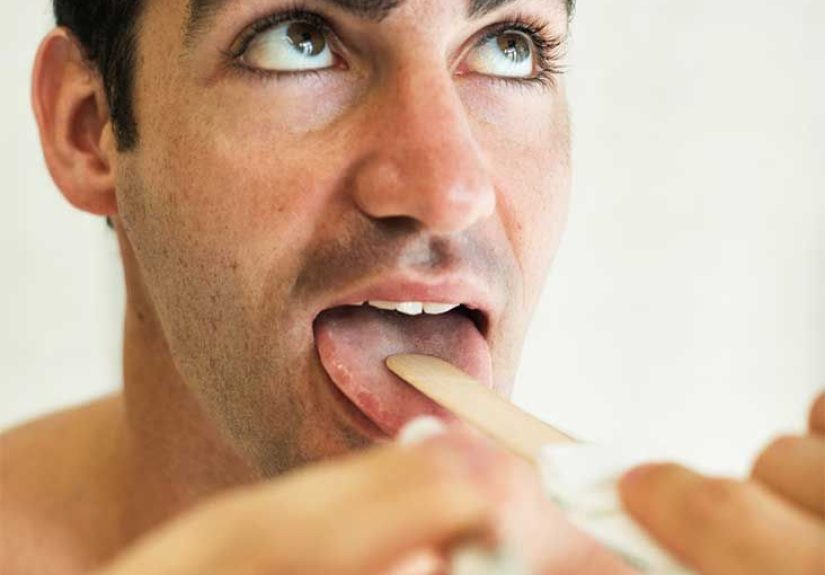
Thrush usually refers to oral thrush, also called oral candidiasis. It happens when Candida grows too much in the mouth or throat. It often shows up as creamy white patches on the tongue, inner cheeks, gums, roof of the mouth, or throat. Some people also notice redness, soreness, cracks at the corners of the mouth, a cottony feeling, trouble tasting food, or pain when swallowing.
Although the term “thrush” is most often used for the mouth, the same yeast can also cause vaginal yeast infections, diaper-area yeast rashes, infections in skin folds, nipple yeast infections during breastfeeding, and in more serious cases, infection deeper in the throat or esophagus. Same yeast, different zip code.
Is Thrush Contagious?
Here is the clearest answer: thrush is not usually highly contagious like a cold, the flu, or strep throat. In many healthy people, exposure to Candida does not lead to infection because the yeast is already part of the body’s normal microbial environment. Thrush usually appears when something tips the balance in favor of yeast overgrowth.
That said, thrush can be passed in certain settings. For example, it may spread:
- between a breastfeeding parent and baby
- during vaginal birth if a parent has a vaginal yeast infection
- through close oral contact, such as kissing, especially if the other person has risk factors
- through sexual contact in some cases involving yeast infections
- through shared items that are not cleaned properly, such as bottle nipples, pacifiers, dentures, or breast pump parts
Oral Thrush in Adults
For healthy adults, oral thrush is generally not considered easily contagious. Kissing someone with thrush does not automatically mean you will develop it. However, if the person on the receiving end has a weakened immune system, dry mouth, diabetes, recent antibiotic use, dentures, or steroid inhaler use, the yeast may have an easier time setting up camp.
Thrush in Babies
Babies are a different story. Their immune systems are still learning the job, and their mouths are the biological equivalent of a “soft opening.” A baby may get thrush after birth, after antibiotic exposure, or after contact with contaminated pacifiers, bottle nipples, or pump parts. Thrush may also pass back and forth between a baby’s mouth and a breastfeeding parent’s nipples, which is one reason treatment sometimes needs to involve both.
What About Vaginal Yeast Infections?
People often lump all yeast issues into one giant uncomfortable category. Vaginal yeast infections are caused by the same type of organism and are not classified as sexually transmitted infections. Still, yeast can sometimes be passed during vaginal, oral, or anal sex. In other words, yeast infections are not classic STIs, but sex can still be part of the story. That is why some clinicians recommend avoiding sexual contact until symptoms clear, especially if friction makes things worse or if a partner develops symptoms too.
Why Thrush Happens
Thrush usually develops because the body’s normal checks and balances get disrupted. Candida is often present in small amounts without causing any symptoms. Problems start when the yeast gets an unfair advantage.
Common risk factors include:
- recent antibiotic use
- inhaled corticosteroids for asthma
- diabetes, especially if blood sugar is not well controlled
- dentures, especially if they do not fit well or are not cleaned properly
- dry mouth
- chemotherapy, transplant medicines, or other immunosuppressive treatments
- HIV or other conditions that weaken the immune system
- pregnancy-related hormone changes
- being very young, especially under 6 months
This matters because if you only focus on “How did I catch thrush?” you may miss the bigger question: Why did thrush have a chance to grow in the first place?
Symptoms to Watch For
Oral Thrush Symptoms
- white or yellowish patches in the mouth that do not wipe away easily
- red or sore mouth tissue
- cracks at the corners of the lips
- cotton-like feeling in the mouth
- loss of taste or an odd taste
- pain with swallowing
Symptoms During Breastfeeding
- sore, shiny, itchy, flaky, or cracked nipples
- burning or shooting breast pain during or after feeds
- a baby with white mouth patches or feeding fussiness
Vaginal Yeast Infection Symptoms
- itching and irritation
- redness and swelling
- burning with urination or sex
- thick white discharge
One important note: a white tongue by itself is not always thrush, especially in babies. Milk residue can sometimes mimic it. Thrush is more suspicious when there are patches on the inner cheeks, gums, lips, or palate and they do not wipe away easily.
How to Prevent Thrush
If you want to make thrush less likely, the strategy is not glamorous, but it works: reduce moisture, reduce irritation, reduce sugar overload where possible, and do not give yeast extra opportunities to multiply.
Oral Thrush Prevention
- Brush and floss regularly.
- Rinse your mouth or brush your teeth after using an inhaled steroid.
- Clean dentures daily and remove them at night.
- Treat dry mouth if it is a chronic issue.
- Manage diabetes carefully.
- Use antibiotics only as prescribed and only when needed.
Prevention for Babies
- Clean bottle nipples, pacifiers, and pump parts thoroughly.
- Wash hands before and after feeds and diaper changes.
- Talk to a pediatrician if white mouth patches appear or feeding becomes painful.
- Address diaper-area yeast rashes promptly, since oral thrush and diaper yeast infections can show up together.
Prevention for Vaginal Yeast Infections
- Avoid douching.
- Skip heavily scented feminine products.
- Change out of wet swimsuits and sweaty workout clothes quickly.
- Wear breathable, not-too-tight clothing.
- Choose underwear with a cotton crotch.
- Keep blood sugar under control if you have diabetes.
None of these tips are particularly thrilling. No one has ever said, “My weekend plans? Cleaning pump parts and choosing breathable underwear.” But prevention is often much easier than dealing with recurrent yeast problems.
Can Thrush Cause Complications?
In healthy adults and children, thrush is often more annoying than dangerous. It can make eating uncomfortable, affect taste, irritate the mouth, and generally ruin your mood around spicy foods. But complications become more important when thrush is severe, recurrent, or happens in someone with a weakened immune system.
Possible Complications of Thrush
- Spread to the esophagus: This can cause pain when swallowing, difficulty swallowing, or a feeling that food is getting stuck.
- Recurring infections: Repeat episodes may point to uncontrolled diabetes, denture problems, dry mouth, medication effects, or immune issues.
- Feeding problems in infants: Babies with mouth pain may feed poorly or become fussy at feeds.
- Persistent nipple and breast pain: In breastfeeding dyads, untreated yeast can keep bouncing back and forth.
- More serious infection in high-risk people: In people with significant immune suppression, untreated candidiasis can become more widespread and more serious.
If oral thrush shows up in a healthy older child, teen, or adult with no obvious reason, that is worth evaluating. Thrush is sometimes the symptom that prompts a closer look at underlying health issues.
How Thrush Is Diagnosed and Treated
Healthcare professionals can often diagnose oral thrush by looking at the mouth and reviewing symptoms and risk factors. Vaginal yeast infections may require an exam and a sample of discharge, especially if symptoms could also fit bacterial vaginosis or an STI. This is a big deal because many people self-treat what they think is yeast and end up treating the wrong problem.
Treatment depends on where the infection is and how severe it is. Options may include:
- nystatin or other antifungal mouth treatments for oral thrush
- clotrimazole or similar antifungal medicines
- fluconazole or other oral antifungals in some cases
- topical creams or suppositories for vaginal yeast infections
- treatment for both parent and baby if breastfeeding-related yeast is suspected
Just as important as the medication is fixing the setup that allowed thrush to happen. That may mean rinsing after inhaler use, improving denture hygiene, adjusting antibiotics, managing blood sugar, or checking for immune-system concerns.
When to See a Doctor
You should seek medical advice if:
- you or your child has white mouth patches that do not wipe off
- swallowing becomes painful or difficult
- you have repeated yeast infections
- you are pregnant and symptoms are new or severe
- your baby is feeding poorly or seems uncomfortable
- you have diabetes, cancer treatment, HIV, a transplant history, or another immune-related risk factor
- you are treating yourself for a “yeast infection” and symptoms are not improving
And here is the practical rule: if thrush keeps showing up like an uninvited houseguest, stop asking only how to get rid of it and start asking why it keeps coming back.
What People Commonly Experience With Thrush
In real life, thrush rarely arrives with perfect textbook timing. More often, it sneaks in during an already chaotic stretch. A parent notices that a baby who was feeding well is suddenly fussy, pulling off the breast, or acting offended by the bottle like it personally insulted them. Then come the white patches in the mouth, the diaper rash that looks angrier than usual, and the sore nipples that make every feed feel like a test of character. In these cases, the biggest frustration is not just the infection itself, but the back-and-forth cycle between baby and parent if only one is treated.
Adults often describe a different experience. Someone finishes a course of antibiotics for a sinus infection and then notices a strange coated tongue, tenderness in the mouth, or a taste that makes coffee seem suspicious. Another person starts using a steroid inhaler regularly and has no idea that skipping the rinse step can give yeast a perfect little opening. A denture wearer may think the soreness is just “one of those things,” when really the fit or cleaning routine is part of the problem. Thrush is sneaky that way. It does not always announce itself dramatically; sometimes it just makes eating, swallowing, or talking steadily more irritating.
For people with vaginal yeast infections, the experience is often part physical discomfort, part diagnostic confusion. Many assume itching automatically means yeast, buy an over-the-counter product, and later discover the real cause was something else. Others do have a yeast infection, but symptoms flare after sex, after a round of antibiotics, during pregnancy, or after long hours in sweaty workout clothes. What they often remember most is not the biology lesson, but the sheer inconvenience: poor sleep, irritation with walking, discomfort during sex, and the annoying feeling that the body is protesting for reasons it has not fully explained.
People dealing with recurrent thrush or recurrent yeast infections often describe a more exhausting pattern. They treat the infection, feel better, and then a few weeks or months later it is back again. That repeat cycle can lead to embarrassment, worry, and the understandable urge to blame hygiene, diet, stress, laundry detergent, moon phases, or all of the above. But repeat infections are often a signal to look deeper, not judge harder. Sometimes the issue is uncontrolled diabetes. Sometimes it is medication-related. Sometimes it is dry mouth, dentures, hormone shifts, or an immune-system issue. The experience can feel personal, but the explanation is usually medical, not moral.
That is why the most helpful approach is usually a calm, practical one: identify the symptoms, get the right diagnosis, treat the infection correctly, and fix the conditions that let yeast overgrow in the first place. Thrush may be common, but it should not be ignored when it is persistent, painful, or happening in someone at higher risk. A little attention early can spare a lot of discomfort later.
Final Takeaway
So, is thrush contagious? Not usually in a highly contagious, person-to-person way, but it can spread under the right conditions. The bigger issue is that thrush often develops when the body’s normal balance is disrupted. That makes prevention less about panic and more about smart habits: good oral hygiene, cleaning feeding items, rinsing after inhaled steroids, avoiding unnecessary antibiotics, and addressing underlying conditions like diabetes or immune suppression.
Most cases improve with proper treatment, but recurrent, painful, or hard-to-swallow cases deserve medical attention. Thrush may be common, but it is not random. When it appears, it is often telling you something useful about the environment it found a little too welcoming.