Table of Contents >> Show >> Hide
- What You’ll Learn
- What Are Microgreens?
- Microgreens Nutrition: Why Tiny Leaves Can Pack a Punch
- Health Benefits of Microgreens: What Research Suggests (and What It Doesn’t)
- Microgreens Nutrition “Cheat Sheet” (By Variety)
- How to Grow Microgreens at Home (Step-by-Step)
- Supplies (simple and budget-friendly)
- Step 1: Clean first (future you will be grateful)
- Step 2: Fill the tray and pre-moisten the medium
- Step 3: Sow seeds evenly (density matters)
- Step 4: The “blackout” phase (aka: pretend it’s underground)
- Step 5: Bring on the light and switch to gentler watering
- Step 6: Improve airflow (small fan, big results)
- Step 7: Harvest at peak flavor and texture
- Food Safety and Storage: Keep It Fresh, Keep It Smart
- Common Microgreen Problems (and Fixes That Actually Work)
- How to Eat Microgreens (Without Making It Weird)
- Is Growing Microgreens Worth It?
- Conclusion: Tiny Greens, Big Wins
- Real-World Microgreen Experiences (500+ Words): What People Learn After a Few Trays
- SEO Tags (JSON)
Microgreens are proof that good things really can come in tiny packages. They’re small enough to fit in a takeout container, dramatic enough to make a sandwich look like it has its own personal stylist, and fast enough to grow that you’ll feel like a wizard. In as little as 7–21 days, you can go from “random seeds” to “fresh greens” with flavors that range from peppery to nutty to “wait, why does this taste like a tiny salad with opinions?”
This guide covers what microgreens are, what nutrition they actually bring to your plate (without magical thinking), what research suggests about health benefits, and exactly how to grow them at homeplus a longer “real-life experience” section at the end so you can avoid the classic beginner mistakes (like turning your tray into a swamp or growing greens so leggy they look like they’re auditioning for a spaghetti commercial).
What Are Microgreens?
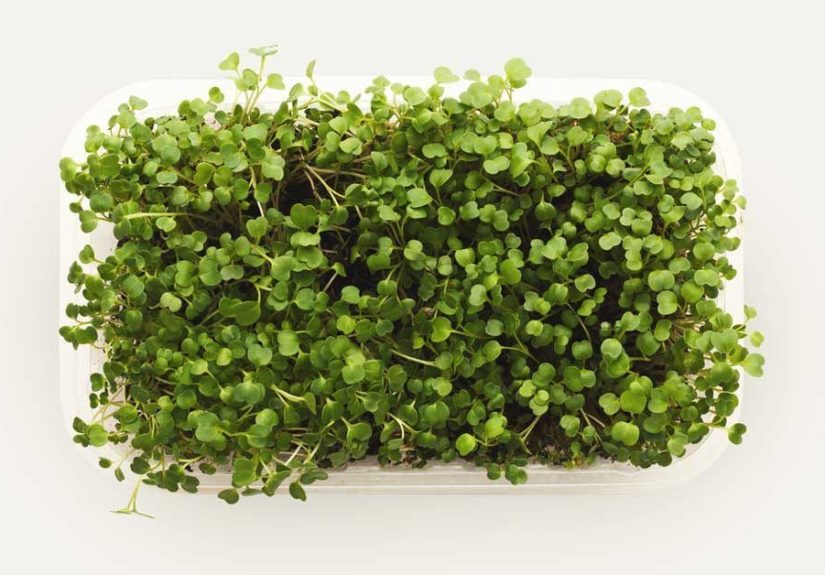
Microgreens are young seedlings of vegetables and herbs harvested after they sprout and develop their first set of leaves. Most are cut when they’re about 1–3 inches talltypically one to three weeks after sowing, depending on the variety. You eat the stem and leaves (not the roots), which is one big reason microgreens tend to feel cleaner and less risky than sprouts.
Microgreens vs. sprouts vs. baby greens
- Sprouts are germinated seeds grown in water with minimal light and eaten very earlyoften with the seed coat and root still attached. Sprouts have a long history of food-safety issues because the warm, wet conditions are basically a spa day for bacteria.
- Microgreens are grown in a medium (like soil, coco coir, or mats), given light after germination, and harvested later than sprouts. They’re usually snipped above the surface, leaving roots behind.
- Baby greens (like baby spinach) are older plants harvested later, with larger leaves and a different texture and nutrient profile.
The “micro” part doesn’t mean “weak.” Microgreens often deliver bold flavor and concentrated nutrients per bite, which is why chefs love them and home growers get weirdly proud of them (it’s normal; you’re basically raising edible houseplants).
Microgreens Nutrition: Why Tiny Leaves Can Pack a Punch
Microgreens aren’t a separate food group; they’re simply an early growth stage of familiar plantsbroccoli, radish, kale, arugula, basil, cilantro, sunflower, peas, and more. Their nutrition depends heavily on the species, the growing conditions, and when you harvest. Still, research consistently finds that many microgreens contain higher concentrations of certain vitamins and antioxidant compounds compared with the same weight of mature leaves.
What nutrients show up most often?
While the details vary by plant, microgreens commonly contribute:
- Vitamins: especially vitamin C, vitamin E, vitamin K, and provitamin A carotenoids (like beta-carotene)
- Minerals: such as potassium, iron, zinc, magnesium, and calcium (amounts vary widely)
- Phytonutrients: polyphenols, carotenoids, and (in brassicas like broccoli and radish) glucosinolates
- Fiber: not huge by weight (they’re light), but meaningful when you use microgreens as a daily topper
A reality check on “40x nutrients” headlines
You’ll sometimes see claims that microgreens have “up to 40 times” more nutrients than mature plants. The key phrase is up to. Certain nutrients in certain varieties can look dramatically higher when compared to mature leaves, but it’s not universal across all nutrients, all microgreens, or all growing setups. A safer takeaway is this: microgreens often offer a nutrient-dense boost per biteespecially for vitamins and antioxidant compoundswithout needing a huge serving size.
Health Benefits of Microgreens: What Research Suggests (and What It Doesn’t)
Microgreens are best thought of as a “high-impact add-on” to a balanced diet. They’re not a cure, cleanse, detox, or personality replacement. But they can help you eat more plants, and that alone is a big deal for long-term health.
1) A simple way to eat more vegetables
Microgreens make healthy food easier to enjoy because they add flavor and crunch without much effort. A handful on eggs, rice bowls, soups, tacos, or sandwiches can turn a basic meal into something fresher and more satisfying. If microgreens help you eat more plant foods consistently, they’re doing their job.
2) Concentrated antioxidants and protective plant compounds
Many microgreens are rich in antioxidant compounds like carotenoids and polyphenols. Antioxidants help counter oxidative stress, which is one pathway linked to chronic disease risk. That’s a broad statement, not a promisehuman bodies are complicated, and no food works alone. But microgreens can be a practical way to add more antioxidant-rich plants to your routine.
3) Potential heart-health support (promising, not guaranteed)
Some research suggests that microgreensespecially red cabbage and other brassicasmay support cardiovascular health markers because of their antioxidant and phytonutrient content. This is an area of ongoing study, and results can depend on the variety, the dose, and the rest of someone’s diet. The sensible approach is to treat microgreens as a heart-healthy “plus one,” not a replacement for the basics (fiber-rich whole foods, regular movement, and medical guidance when needed).
4) Helpful for “nutrition gaps” in small servings
Because microgreens are light, you won’t usually eat them in giant bowls. Their advantage is that even a small portion can add meaningful vitamins and plant compoundsespecially when you rotate varieties. Think of them like nutritional punctuation marks: not the whole sentence, but they make the message better.
Who should be a little cautious?
- People on blood thinners: Some microgreens (especially brassicas) can be high in vitamin K. You don’t need to avoid them, but consistency matterstalk to a clinician if you’re managing medication that interacts with vitamin K.
- Higher-risk groups: If you’re immunocompromised or medically vulnerable, prioritize excellent hygiene, consider buying from trusted growers with strong food-safety practices, and be extra cautious with raw produce in general.
- Allergy-prone eaters: If you have known allergies (like mustard family sensitivity), introduce new microgreens slowly.
Microgreens Nutrition “Cheat Sheet” (By Variety)
Use this chart to pick microgreens that match your taste buds and your kitchen habits. (Yes, “habits” includes “I forget I own lettuce.”)
| Microgreen | Flavor | Nutrition highlights (typical) | Best uses | Approx. harvest time |
|---|---|---|---|---|
| Radish | Peppery, bold | Carotenoids, vitamin C (varies) | Tacos, sandwiches, salads | 7–10 days |
| Broccoli | Mild, cabbage-y | Glucosinolates (brassica compounds), antioxidants | Bowls, salads, wraps | 8–14 days |
| Red cabbage | Earthy, slightly sweet | Anthocyanins (purple antioxidants), vitamins C/E/K (varies) | Slaws, salads, garnish with purpose | 10–15 days |
| Sunflower | Nutty, crunchy | Vitamin E (varies), minerals | Sandwiches, salads, snacking | 8–12 days |
| Pea shoots | Sweet, fresh | Vitamin C (varies), plant compounds | Stir-fries (lightly), bowls, soups | 10–16 days |
| Basil | Big basil energy | Polyphenols, aromatic compounds | Pasta, pizza, tomatoes, eggs | 14–21 days |
| Cilantro | Love-it-or-not | Antioxidants (varies) | Tacos, curries, soups | 14–21 days |
Nutrition note: exact values vary based on seed quality, light intensity, temperature, watering, and harvest timing. If you want the most reliable “upgrade,” rotate types and focus on consistency.
How to Grow Microgreens at Home (Step-by-Step)
Growing microgreens is basically gardening for people who like quick wins. You don’t need a backyard, you don’t need fancy equipment, and you don’t need to talk to your plants (though it’s allowed). What you do need is a clean setup, decent light, and the self-control to stop overwatering.
Supplies (simple and budget-friendly)
- Shallow trays (with drainage holes) + a solid bottom tray to catch water
- Growing medium: seed-starting mix, coco coir, or a food-safe grow mat
- Microgreen seeds (buy from reputable sellers; avoid chemically treated seeds)
- Light: sunny window or LED grow light
- Spray bottle (for misting during germination)
- Scissors or a sharp knife (for harvesting)
- Optional but helpful: small fan (airflow reduces mold risk)
Step 1: Clean first (future you will be grateful)
Wash trays with hot, soapy water. If you’re reusing trays, scrub off old residue. Clean tools matter because microgreens grow in dense little jungles, and dense jungles love dramaespecially mold and bacteria drama.
Step 2: Fill the tray and pre-moisten the medium
Add 1–2 inches of your growing medium and level it gently. Pre-moisten until it feels like a wrung-out spongedamp, not dripping. If you squeeze a handful and water streams out, you’ve made soup. Microgreens are not soup.
Step 3: Sow seeds evenly (density matters)
Scatter seeds across the surface in a single, even layer. The goal is “crowded but not stacked.” Overcrowding can lead to poor airflow, mold, and thin stems. Under-sowing wastes space.
- Small seeds (broccoli, kale, arugula): aim for an even sprinkle with minimal overlap
- Medium seeds (radish, beet): slightly more spacing; they expand fast
- Large seeds (peas, sunflower): place closer than a garden spacing, but still avoid piles
Lightly press seeds into the surface so they contact moisture. Some growers add a very thin dusting of medium over the top (especially for larger seeds), but many microgreens germinate fine uncovered as long as humidity is steady.
Step 4: The “blackout” phase (aka: pretend it’s underground)
Cover the tray for 2–4 days to keep moisture high and encourage even germination. You can use another tray placed on top. Many growers add a little weight (like a small book) to help seeds root strongly. Check once or twice a day to ensure the surface stays damp.
Step 5: Bring on the light and switch to gentler watering
When most seeds have sprouted and you see pale little shoots pushing up, remove the cover and move the tray into bright light. If you’re using a grow light, aim for about 12–16 hours per day. If you’re using a windowsill, rotate the tray daily so plants don’t lean.
Watering tip: bottom-watering (adding water to the bottom tray so the medium wicks it up) can reduce how wet the stems and leaves stay, which helps prevent fungal issues. Keep the medium evenly moist, not soaked.
Step 6: Improve airflow (small fan, big results)
Microgreens like fresh air. A small fan on low, pointed nearby (not blasting directly) helps reduce humidity on leaf surfaces, strengthens stems, and lowers mold risk. This is especially useful in humid climates or tight indoor spaces.
Step 7: Harvest at peak flavor and texture
Most microgreens are ready when they have their cotyledons (first leaves) and often the first true leaf starting to appear. Use clean scissors or a sharp knife and cut just above the medium surface.
Harvesting pro move: harvest right before you plan to eat them. Like coffee, they’re best fresh. If you need to store them, keep reading.
Food Safety and Storage: Keep It Fresh, Keep It Smart
Because microgreens are eaten raw most of the time, cleanliness matters from day one. The biggest risks usually come from contaminated seeds, dirty trays, unsafe water, and overly wet growing conditions.
Food-safety basics for home growers
- Start with reputable seeds intended for edible growing (avoid treated or coated seeds).
- Use potable (drinking-quality) water for misting and watering.
- Wash hands and sanitize tools before harvesting.
- Control moisture: the #1 mold invitation is a constantly wet surface and poor airflow.
- Skip risky experiments: don’t use fresh manure or questionable compost indoors.
Should you wash microgreens?
The cleanest approach is to grow them in a way that minimizes the need to wash at all. Some food-safety guidance notes that washing can be ineffective and can damage delicate tissues, which may shorten shelf life. In a home kitchen, many people still do a gentle rinse. If you rinse, do it lightly in cold water, then dry thoroughly (salad spinner or paper towels) before refrigerating. Wet greens stored cold are basically asking for slime.
How to store microgreens so they don’t turn sad
- Dry them well before storing.
- Use an airtight container lined with a paper towel to absorb moisture.
- Refrigerate promptly.
- Most varieties keep best for a few days; sturdier types may last longer if kept dry and cold.
Common Microgreen Problems (and Fixes That Actually Work)
Mold on the surface
- Cause: too wet, not enough airflow, overcrowding, dirty trays.
- Fix: bottom-water, add airflow, reduce seed density, clean trays better next round.
White fuzz on stems (is it mold?)
Sometimes that “fuzz” is just root hairsespecially common on radish microgreens. Root hairs look like fine, even fuzz near the root zone and often disappear after watering. Mold tends to look webby, spreads across the surface, and smells musty. When in doubt: increase airflow and avoid soaking.
Leggy, floppy microgreens
- Cause: not enough light (they stretch to find it).
- Fix: brighter window, longer light duration, or a grow light positioned appropriately above the tray.
Poor germination
- Cause: old seeds, inconsistent moisture, too cold, or seeds buried too deep.
- Fix: fresher seeds, steadier moisture during blackout, warmer spot, and a lighter cover of medium.
Bad smell
Healthy trays smell fresh and “green.” Sour or rotten odors usually mean excessive moisture and decay. Toss questionable traysfood safety beats stubbornness every time.
How to Eat Microgreens (Without Making It Weird)
Microgreens are at their best when used like a finishing herb: fresh, bright, and not cooked into oblivion. A few easy, specific ideas:
- Eggs: top scrambled eggs or omelets with radish or broccoli microgreens for crunch.
- Sandwiches and wraps: swap lettuce for sunflower or pea shoots.
- Soups: add microgreens after the heat is off, like you’re sprinkling edible confetti.
- Rice bowls: microgreens + protein + sauce = instant “I meal-prep now” energy.
- Smoothies: mild microgreens (like pea shoots) blend more pleasantly than spicy ones.
Is Growing Microgreens Worth It?
If you buy microgreens regularly, growing them can save money and guarantee freshness. If you rarely cook at home, buying a small clamshell occasionally might be more realistic. Either way, microgreens are a low-effort way to make meals more colorful, flavorful, and nutrient-dense. Think of them as the easiest “upgrade” you can grow on a countertop.
Conclusion: Tiny Greens, Big Wins
Microgreens won’t replace a balanced diet, but they can make it easier to build one. They deliver concentrated nutrients and plant compounds, punchy flavors, and a satisfying crunchplus the joy of harvesting something you grew yourself in a couple of weeks. Whether you’re topping a sandwich, brightening a bowl of soup, or turning Tuesday leftovers into something you actually want to eat, microgreens are a small habit with a surprisingly big payoff.
Real-World Microgreen Experiences (500+ Words): What People Learn After a Few Trays
The first time most people grow microgreens, it starts with optimism and a suspiciously tiny packet of seeds. Then comes the waiting, which lasts roughly three minutes emotionally (and about 2–4 days in real life). When the sprouts finally pop up, it’s excitinguntil you realize you now have a living tray that requires just enough attention to be inconvenient if you’re a chronic “set it and forget it” person. The good news is that microgreens teach fast lessons, and the lessons are mostly friendly.
One of the biggest “aha” moments new growers report is how much light changes everything. In a dim corner, microgreens can grow tall and floppy, like they’re reaching for a better life. Under stronger light (a sunnier window or an inexpensive LED grow light), they stay shorter, sturdier, and more intensely colored. People often describe the second tray as their “redemption tray,” because simply improving the light makes the whole setup feel suddenly professionallike you should start wearing an apron and calling yourself a “grower.”
The second most common lesson is that watering is less about quantity and more about consistency. Beginners often overwater because it feels nurturing. But microgreens prefer “evenly moist,” not “swampy.” Many home growers end up switching to bottom-watering after a mold scare, and they’re shocked at how much cleaner the tray stays when the leaves aren’t constantly wet. A small fan becomes another fan-favorite (yes, that was on purpose): steady airflow helps prevent fuzzy problems and strengthens stems, and it can turn a frustrating trial into a repeatable routine.
Flavor is the surprise that keeps people coming back. Someone grows radish microgreens expecting “generic salad taste” and instead gets a peppery bite that makes tacos or ramen feel more alive. Pea shoots often win people over because they taste sweet and fresh, and they’re sturdy enough to handle a little heat if you want to toss them onto a stir-fry at the last second. Sunflower microgreens earn compliments for pure crunchmany growers end up snacking on them straight from the cutting board, which is both wholesome and slightly feral.
Another consistent experience: microgreens change how people build meals. Because they’re easy to grab and sprinkle, microgreens become a “default topper.” People start adding them to eggs, bowls, soups, and sandwiches the way they might use shredded cheese or green onions. Over time, that habit quietly increases vegetable variety and makes home-cooked food feel fresher. Some families even make it a game: grow two varieties at once and do a taste testspicy vs. mild, herby vs. earthythen vote on what to plant next. It’s a rare hobby that fits into a school week, a work week, or a busy household schedule without demanding a garden plot or perfect weather.
Finally, the “grown-up” lesson: cleanliness is a growth strategy. People who reuse trays tend to notice that the better they clean, the fewer problems they have. A quick scrub, clean water, and a little restraint with moisture can dramatically reduce spoilage and keep the microgreens crisp longer after harvest. The tray becomes less of a science experiment and more of a mini produce section you built yourself. And honestly, that’s the whole charmmicrogreens are small, fast, and forgiving enough that you can learn by doing, improve tray by tray, and end up with something delicious that you actually want to eat.