Table of Contents >> Show >> Hide
- What is pulmonary hypertension, in plain English?
- When do doctors suspect pulmonary hypertension?
- Key tests used to diagnose pulmonary hypertension
- 1. Medical history and physical exam
- 2. Blood tests
- 3. Chest X-ray
- 4. Electrocardiogram (ECG or EKG)
- 5. Echocardiogram (heart ultrasound)
- 6. Pulmonary function tests (PFTs)
- 7. Imaging tests: CT scan and V/Q scan
- 8. Sleep study and oxygen evaluation
- 9. Six-minute walk test
- 10. Right heart catheterization: the gold standard
- Diagnostic criteria: how do doctors define pulmonary hypertension?
- What to expect during the diagnostic process
- Questions to ask your care team
- Real-life experiences: what the diagnosis journey can feel like
- The bottom line
Hearing the words “pulmonary hypertension” (PH) can feel overwhelming. It sounds technical, serious,
and a little bit like something that only happens in medical journalsnot real life. But PH is very real,
and getting the right diagnosis early can make a huge difference in how you feel and how well your treatment works.
The good news? Doctors have a clear playbook of tests and criteria to figure out what’s going on in the blood vessels
of your lungs and the right side of your heart. This guide walks you through how pulmonary hypertension is diagnosed,
the key tests and hemodynamic (blood flow and pressure) criteria, and what you can expect at each stepwithout
drowning you in medical jargon.
What is pulmonary hypertension, in plain English?
Pulmonary hypertension is a type of high blood pressure that affects the arteries in your lungs and the right side of
your heart. Instead of the blood pressure your doctor checks in your arm, this type of pressure happens inside the
vessels that carry blood from your heart to your lungs.
Over time, those blood vessels can become narrowed, stiff, or blocked. When that happens, your heart has to pump
harder to push blood through the lungs. That extra workload can eventually strain the right side of your heart.
That’s why getting an accurate diagnosis early is so importantbefore the heart gets too tired of being the overachiever.
Pulmonary hypertension isn’t just one disease. Doctors group it into several categories based on the main cause:
- Group 1: Pulmonary arterial hypertension (PAH)
- Group 2: PH due to left-sided heart disease
- Group 3: PH due to lung diseases or low oxygen (like COPD or sleep apnea)
- Group 4: PH due to chronic blood clots in the lungs (CTEPH)
- Group 5: PH with unclear or mixed causes
The basic idea: your provider is not just asking, “Is there pulmonary hypertension?” but also, “Why is it there?”
The cause guides treatment.
When do doctors suspect pulmonary hypertension?
Many people with pulmonary hypertension start with vague symptoms that are easy to blame on getting older, being out
of shape, or having a busy life. That’s one reason PH can be missed or diagnosed late.
Common symptoms that raise suspicion include:
- Shortness of breath with activity (like climbing stairs or walking uphill)
- Feeling unusually tired or wiped out
- Swelling in the legs, ankles, or belly
- Chest discomfort or pressure
- Feeling lightheaded or fainting, especially with exertion
- Heart palpitations (a racing, pounding, or fluttering heartbeat)
- Bluish lips or fingertips (a sign of low oxygen)
Doctors also pay attention if you have conditions that make PH more likely, such as:
- Connective tissue diseases (like scleroderma or lupus)
- Congenital heart disease
- Chronic lung diseases (COPD, interstitial lung disease)
- Obstructive sleep apnea
- Liver disease with portal hypertension
- A history of blood clots in the lungs
- Family history of pulmonary arterial hypertension
If your symptoms and risk factors set off “PH radar,” your doctor will order tests to dig deeper rather than
just blaming everything on being “a little out of shape.”
Key tests used to diagnose pulmonary hypertension
No single blood test or scan (other than an invasive heart catheterization) can definitively diagnose pulmonary
hypertension. Instead, doctors use a step-by-step approach that starts with noninvasive tests and moves toward more
specialized procedures if needed.
1. Medical history and physical exam
It sounds basic, but this is where diagnosis really begins. Your provider will:
- Ask about symptomswhat you feel, when it started, and what makes it better or worse
- Review your medical history and medications
- Ask about family history and lifestyle, including sleep habits and prior blood clots
- Listen to your heart and lungs with a stethoscope
- Look for leg swelling, neck vein distention, or bluish skin
These clues help build the case for (or against) pulmonary hypertension and help decide which tests come next.
2. Blood tests
Blood tests can’t diagnose PH, but they can point toward possible causes or complications. Your doctor might order:
- Basic labs to check for anemia, kidney or liver problems, or thyroid issues
- Brain natriuretic peptide (BNP or NT-proBNP) to assess strain on the heart
- Autoimmune panels if connective tissue disease is suspected
- HIV or hepatitis testing if risk factors are present
Think of blood tests as the supporting castnot the star of the PH diagnosis show, but still pretty important.
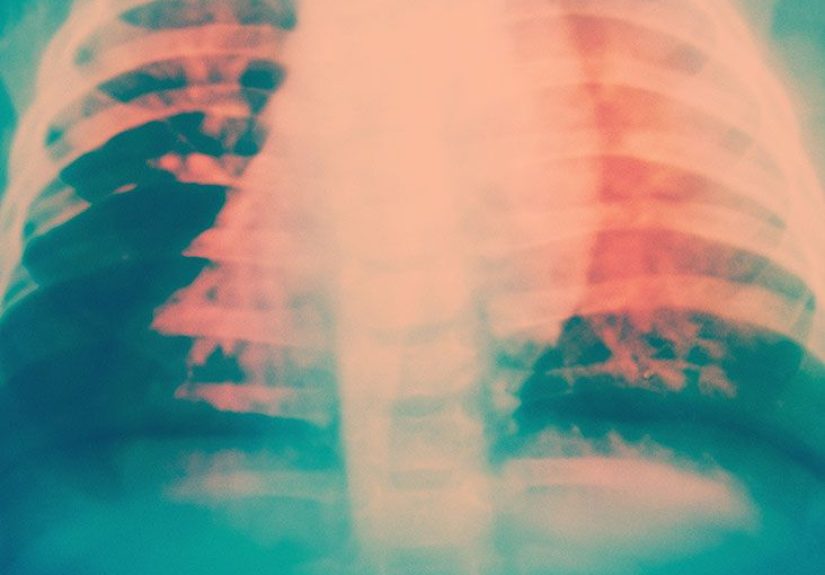
3. Chest X-ray
A chest X-ray is quick and painless. It can show:
- Enlargement of the pulmonary arteries
- Changes in the size or shape of the heart
- Evidence of lung disease, infection, or fluid in the lungs
While a normal chest X-ray doesn’t rule out PH, abnormal findings can strongly support the suspicion.
4. Electrocardiogram (ECG or EKG)
An ECG records the electrical activity of your heart. Sticky electrodes are placed on your chest, arms, and legs,
and the machine prints out a tracing. In pulmonary hypertension, the ECG may show signs of:
- Right heart enlargement or strain
- Abnormal rhythms (arrhythmias)
An ECG is not specific for PH, but it’s a helpful piece of the puzzle. Newer research is even exploring
artificial intelligence models that can scan ECG patterns for early signs of pulmonary hypertensionpromising
news for earlier detection in the future.
5. Echocardiogram (heart ultrasound)
If pulmonary hypertension diagnosis had a “most valuable player” among the noninvasive tests, it would be the
echocardiogram. This ultrasound test uses sound waves to create moving images of your heart.
An echo can:
- Estimate the pressure in the pulmonary arteries
- Show how well the right and left sides of the heart are pumping
- Reveal leaky or narrowed heart valves
- Help rule out or confirm structural heart disease
It’s important to know: echocardiograms estimate pulmonary artery pressure and assess the probability of PH.
They strongly guide suspicion but do not replace the gold-standard test, which is right heart catheterization.
6. Pulmonary function tests (PFTs)
Pulmonary function tests measure how well your lungs move air in and out and how effectively they exchange oxygen and
carbon dioxide. You’ll breathe into a mouthpiece connected to a machine while following instructions to inhale, exhale,
and sometimes hold your breath.
PFTs help your team determine whether lung disease (like COPD or pulmonary fibrosis) is contributing to your symptoms
and whether your PH might fall into Group 3 (due to lung disease or low oxygen).
7. Imaging tests: CT scan and V/Q scan
Depending on your situation, your provider may use one or both of these:
-
CT scan of the chest: A detailed 3-D X-ray that can show lung structure, scarring, enlarged
pulmonary arteries, and sometimes clots. -
Ventilation–perfusion (V/Q) scan: A nuclear medicine test that looks for blood flow mismatches in
the lungs. It’s especially useful to detect chronic blood clots (chronic thromboembolic pulmonary hypertension, or CTEPH).
The V/Q scan is often preferred over CT alone when doctors are specifically trying to rule out or confirm CTEPH.
8. Sleep study and oxygen evaluation
If there’s concern about sleep apnea or low oxygen levels at night, you may be referred for a sleep study. A nighttime
drop in oxygen can worsen pulmonary hypertension and may be a treatable piece of the puzzle.
9. Six-minute walk test
This simple test measures how far you can walk in six minutes and how your oxygen levels and heart rate respond.
It doesn’t diagnose PH by itself, but it helps assess how severe your symptoms are and how your body tolerates exertion.
10. Right heart catheterization: the gold standard
Right heart catheterization (RHC) is the definitive test used to confirm pulmonary hypertension and measure
the exact pressures inside the heart and pulmonary arteries.
During RHC, a thin, flexible tube (catheter) is threaded through a veinoften in your neck or groininto the right side
of the heart and into the pulmonary artery. Using this catheter, the team can:
- Directly measure mean pulmonary artery pressure (mPAP)
- Measure pulmonary artery wedge pressure (a proxy for left heart filling pressure)
- Calculate pulmonary vascular resistance (PVR)
- Assess how your heart responds to medications or oxygen (vasoreactivity testing in some cases)
RHC is typically done in a specialized center with expertise in pulmonary hypertension. It carries some risk, but serious
complications are uncommon when done by experienced teams. The detailed hemodynamic information it provides is critical
for accurate diagnosis and tailored treatment.
Diagnostic criteria: how do doctors define pulmonary hypertension?
In recent years, experts have refined the official definition of pulmonary hypertension based on the best available data.
Today, PH is defined hemodynamically (by direct pressure measurements) using numbers obtained during right heart
catheterization.
Hemodynamic definition of pulmonary hypertension
In adults, pulmonary hypertension is generally diagnosed when:
- Mean pulmonary artery pressure (mPAP) > 20 mm Hg at rest
For many years, the cutoff was 25 mm Hg, but research has shown that pressures above 20 mm Hg are already abnormal and
associated with worse outcomes. So the threshold has been lowered to catch PH earlier.
To understand the type of PH, doctors also look at:
- Pulmonary artery wedge pressure (PAWP): reflects left heart pressures
- Pulmonary vascular resistance (PVR): how “tight” or “stiff” the lung vessels are
A commonly used definition for pre-capillary pulmonary hypertension (seen in conditions like PAH or CTEPH) is:
- mPAP > 20 mm Hg,
- PAWP ≤ 15 mm Hg, and
- PVR ≥ 2–3 Wood units (depending on the guideline)
If the wedge pressure is elevated, this suggests that left-sided heart disease (Group 2 PH) is part of the picture.
Why the criteria matter
These numbers aren’t just academic. They help your care team:
- Confirm that pulmonary hypertension is truly present
- Determine whether the main problem is in the lung vessels, the left heart, the lungs themselves, or chronic clots
- Decide whether PH-specific medications are appropriate
- Track how the disease responds to treatment over time
In short, the combination of tests and criteria turns a fuzzy label (“short of breath”) into a specific diagnosis with a
clear plan of attack.
What to expect during the diagnostic process
Before testing
Expect the first appointment to be conversation heavy. Bring:
- A list of your symptoms and when they started
- A complete medication list, including over-the-counter drugs and supplements
- Information about prior heart, lung, or clotting problems
- Any previous test results if you have them
It’s also a good idea to bring a family member or friend. They can help you remember details and ask questions you may
not think of in the moment.
During noninvasive tests
Most testslike ECG, chest X-ray, echocardiogram, blood work, PFTs, and the six-minute walkare outpatient procedures.
You’ll typically:
- Wear comfortable clothing and shoes
- Follow basic instructions (for example, not drinking caffeine before some tests)
- Be asked to breathe, lie still, or walk at your usual pace
These tests usually take from a few minutes to an hour each. Many people find them easier and less intimidating than
they expected.
During right heart catheterization
On the day of RHC, you’ll arrive at a hospital or specialized center. You may be asked not to eat or drink for a few
hours beforehand. In the procedure room:
- You’ll lie on a table, connected to monitors that track your heart rhythm, blood pressure, and oxygen levels.
- The skin over the access site (usually the neck or groin) is cleaned and numbed.
- A small tube is inserted into the vein and the catheter is guided into your heart and pulmonary artery using X-ray or ultrasound guidance.
- The team measures pressures and sometimes gives medications or oxygen to see how your pulmonary circulation responds.
You’re typically awake but sedated and comfortablemore like a “drowsy calm” than full anesthesia. Afterward, you’ll
be observed for a few hours before going home the same day in many cases.
After testing: making sense of the results
Once your tests are complete, your care team will put the pieces together. They’ll look at:
- Your symptoms and physical exam
- Heart and lung imaging results
- Blood test findings
- Hemodynamic numbers from right heart catheterization
You might be referred to a pulmonary hypertension expert center, especially if you have PAH or complex PH.
These centers have specialized teams that focus on PH diagnosis, medication management, and long-term follow-up.
Don’t hesitate to ask for a copy of your reports and to request that your doctor explain the numbers in plain English.
You’re not being “difficult”you’re being informed.
Questions to ask your care team
Having a list of questions can make appointments more productive and less stressful. Consider asking:
- What type (group) of pulmonary hypertension do I have?
- What did my echocardiogram and right heart catheterization show?
- Is there evidence of lung disease or blood clots?
- Do I need to be seen at a pulmonary hypertension specialty center?
- What treatments are available for my specific type of PH?
- How will we monitor my condition over time?
- What lifestyle changes can support my heart and lungs?
Writing answers downor asking if you can record the explanation on your phonecan help you review the information later.
Real-life experiences: what the diagnosis journey can feel like
Numbers and test names tell only half the story. The other half is what it actually feels like to go through the
process of being evaluated for pulmonary hypertension. While everyone’s journey is different, some common emotional
and practical themes tend to show up.
From “I’m just out of shape” to “Something’s not right”
Many people describe a gradual shift. At first, they notice they’re winded walking up stairs or carrying groceries.
They blame it on age, weight, or a busy schedule. Only when the symptoms progressneeding to stop halfway up the
stairs, skipping activities they once loveddo they start thinking, “This is more than just being tired.”
That moment of realization can be unsettling, but it’s also a turning point. Bringing those symptoms to a healthcare
provider is the first big step toward getting answers.
The long road of “rule-everything-else-out”
Because shortness of breath and fatigue have many causes, the diagnostic process can feel like a marathon of tests:
chest X-rays, ECGs, breathing tests, blood work, and scans. It’s common to feel impatient or anxious while waiting
for results or referrals, especially if you’re still feeling lousy.
One helpful mindset: each test isn’t just “looking for something bad”it’s also ruling out conditions you don’t have.
That process narrows the field and helps your team zero in on the real issue.
The big day: right heart catheterization
Many people are nervous before their first right heart catheterization. It has the word “catheter” in it, after all.
But most describe the actual procedure as less scary than they imagined. The numbing medicine stings briefly; after that,
there’s mainly pressure and some odd sensations, but not sharp pain.
Some people like to focus on the monitors, ask the staff what’s happening, or listen to music if allowed. Others prefer
to close their eyes and let the team do their thing. Either way, it’s okay to tell the staff you’re anxiousthey do this
every day and usually have good tricks for helping people feel more at ease.
Hearing the diagnosisand what happens next
Getting a confirmed diagnosis of pulmonary hypertension can trigger a mix of emotions: relief at finally having an answer,
fear about what it means, frustration about the time it took to get there, and sometimes anger that symptoms were
brushed off earlier. All of those reactions are valid.
Many people find it empowering to:
- Bring a notebook to visits and write down specific numbers (mPAP, PVR, oxygen levels)
- Ask for clear explanations of what’s “mild,” “moderate,” or “severe” in their case
- Learn the name of their PH group and what treatments are recommended for it
- Connect with reputable patient organizations for education and support
Over time, as they learn more and start treatment, many people report that the diagnosis feels less like a mysterious
label and more like a condition they can actively manage with their care team.
Practical tips from people who’ve been there
While everyone’s situation is unique, some practical “lessons learned” often come up:
- Track your symptoms. Simple notes like “couldn’t finish my usual walk” or “needed more pillows at night” help show trends.
- Respect your limits. Pushing through severe breathlessness isn’t “tough”it can be unsafe. Learn your safe zone.
- Plan test days. Arrange transportation after invasive procedures and keep the day’s schedule light so you can rest.
- Use your support system. Let trusted friends or family know what’s going on so you’re not carrying it alone.
- Ask for plain language. You deserve explanations you can understand. If something’s unclear, ask again. That’s part of your care.
Perhaps the most encouraging theme: once people get through the uncertainty of diagnosis and start appropriate treatment,
many report that they feel better than they did in the months or years before the diagnosis. Understanding what’s
happening inside your lungs and heart is the first step toward reclaiming energy, comfort, and quality of life.
The bottom line
Pulmonary hypertension diagnosis is not based on one quick number or a single “yes/no” test. It’s a thoughtful process
that combines symptoms, imaging, lung function, and precise pressure measurements inside the heart and lung arteries.
While the list of tests can look intimidating, each one plays a role in answering three critical questions:
- Is pulmonary hypertension truly present?
- What type or group of PH is it?
- What is the best way to treat and monitor it?
If you’re being evaluated for PHor already living with the diagnosisknow that you are not alone. With modern
diagnostic tools, specialized PH centers, and growing research, care teams are better equipped than ever to identify
the condition earlier, tailor treatment, and support you in living as fully and comfortably as possible.
And if your body has been sending signals like breathlessness, unusual fatigue, or swelling that just doesn’t add up,
consider this your nudge to talk with a healthcare professional. Your lungs and heart are worth the extra attention.