Table of Contents >> Show >> Hide
- Why Mosquito Bites Itch So Much
- First Step: Wash the Bite Gently
- 1. Cold Compress: The Fastest No-Fuss Remedy
- 2. Baking Soda Paste for Itch Relief
- 3. Colloidal Oatmeal for Angry, Itchy Skin
- 4. Aloe Vera for Cooling Comfort
- 5. Calamine Lotion: Old-School but Still Useful
- 6. 1% Hydrocortisone Cream for Stronger Itch
- 7. Antihistamine Creams or Oral Antihistamines
- 8. Honey: Use Carefully, Not on Open Skin
- 9. Basil, Lemon Balm, and Other Plant-Based Remedies
- What Not to Put on Mosquito Bites
- When a Mosquito Bite Might Be Infected
- How to Prevent Mosquito Bites Next Time
- Best Remedy Combinations for Different Situations
- Real-Life Experience: What Actually Helps When Mosquitoes Treat You Like a Buffet
- Conclusion
Despite the Spanish title, let’s talk in clear American English: mosquito bites are tiny dramas performed on your skin by one of nature’s most annoying flying needles. One minute you are enjoying a backyard barbecue, a lakeside walk, or a peaceful evening on the porch. The next minute, your ankle looks like it filed a complaint with management.
The good news? Most mosquito bites are mild and can be managed at home with simple, safe remedies. The less good news? Scratching them like you are trying to start a campfire with your fingernails usually makes things worse. Effective mosquito bite relief is not about using every kitchen ingredient you own. It is about calming the itch, reducing swelling, protecting the skin, and preventing infection.
This guide covers practical home remedies for mosquito bites that actually make sense: cold compresses, baking soda paste, oatmeal, aloe vera, calamine lotion, hydrocortisone cream, antihistamines, and smart aftercare. We will also cover what not to do, when to call a doctor, and how to prevent bites next timebecause revenge is best served with window screens and EPA-registered repellent.
Why Mosquito Bites Itch So Much
A mosquito bite is not just a tiny puncture. When a mosquito feeds, it leaves behind saliva that contains proteins. Your immune system sees those proteins as unwanted visitors and responds with histamine and inflammation. That reaction causes the classic symptoms: itching, redness, swelling, warmth, and a raised bump.
Some people barely react. Others develop large, angry welts that look like their skin is auditioning for a medical documentary. Children may react more strongly because their immune systems are still learning how to respond. People who are especially sensitive may develop larger swelling, sometimes called a strong local reaction or “skeeter syndrome.”
For most people, mosquito bites fade within a few days. The main goal of home treatment is to stop the itch-scratch cycle. Scratching can break the skin, and broken skin is an open invitation for bacteria. In other words, your fingernails are not a treatment plan.
First Step: Wash the Bite Gently
Before applying any remedy, clean the area with mild soap and water. This simple step removes sweat, dirt, and bacteria from the skin. Pat the area dry with a clean towel instead of rubbing it like you are polishing a trophy.
Washing is especially important for kids, outdoor workers, campers, and anyone who has been sweating. Clean skin lowers the risk of irritation and infection. Once the bite is clean, you can choose a remedy based on your symptoms: cold for swelling, anti-itch cream for intense itching, oatmeal for widespread irritation, and protective covering if scratching is hard to control.
1. Cold Compress: The Fastest No-Fuss Remedy
A cold compress is one of the best first moves for mosquito bite relief. Cold helps numb the skin, reduce swelling, and calm the itch. Wrap ice or a cold pack in a thin towel and place it over the bite for about 10 minutes. Do not put ice directly on the skin, because your bite does not need a side quest involving ice burn.
How to use it
Use a clean, damp washcloth, an ice pack wrapped in cloth, or even a chilled spoon wrapped in a napkin. Apply it for 10 minutes, take a break, and repeat as needed. This method works well for fresh bites, swollen bites, and bites that feel hot or irritated.
Cold compresses are especially helpful at night. If itching keeps you awake, apply a cold compress before bed, then use a safe anti-itch product if needed. The goal is to calm the skin before your half-asleep hands decide to become tiny bulldozers.
2. Baking Soda Paste for Itch Relief
Baking soda paste is a classic home remedy because it is simple, inexpensive, and easy to make. Mix a small amount of baking soda with a few drops of water until it forms a paste. Apply a thin layer to the bite, leave it on for about 10 minutes, then rinse it off gently.
Why it may help
Baking soda may help reduce surface irritation and soothe itching for some people. It is not magic dust from a wizard pantry, but it can be useful when you need quick relief and do not have anti-itch cream nearby.
Do not apply baking soda paste to broken skin, near the eyes, or over large areas. If it stings, burns, or causes more redness, wash it off and stop using it. More paste does not mean more healing. It just means more mess.
3. Colloidal Oatmeal for Angry, Itchy Skin
Oatmeal is not just breakfast wearing a sensible sweater. Colloidal oatmeal can help soothe itchy, irritated skin. It is commonly used in baths, lotions, and skin-soothing products. For mosquito bites, it may be helpful when you have multiple bites or general itchiness.
Two easy ways to use oatmeal
For a small bite, mix finely ground oatmeal with a little water to make a paste. Apply it for 10 to 15 minutes, then rinse. For many bites, use a colloidal oatmeal bath product and soak according to package directions. Keep the water lukewarm, not hot, because hot water can make itching worse.
Oatmeal is a good option for sensitive skin, but still use common sense. If your skin reacts badly, stop. Skin is honest. Sometimes brutally honest.
4. Aloe Vera for Cooling Comfort
Aloe vera gel is popular for sunburns, minor irritation, and cooling the skin. For mosquito bites, it may provide a soothing sensation and help reduce the urge to scratch. Use pure aloe vera gel or a fragrance-free aloe product when possible.
Apply a thin layer to clean skin and let it dry. Store the gel in the refrigerator for extra cooling relief. Avoid aloe products loaded with alcohol, perfume, or glittery mystery ingredients. Your mosquito bite does not need to smell like a tropical candle shop.
5. Calamine Lotion: Old-School but Still Useful
Calamine lotion has been used for generations to calm itchy skin from bug bites and minor rashes. It can dry slightly on the skin and create a soothing protective layer. Shake the bottle, dab a small amount onto the bite, and let it dry.
Calamine is helpful when bites are itchy but not broken open. It is also convenient because it stays visible, which can remind kidsand adults with the self-control of a raccoon near snacksnot to scratch.
6. 1% Hydrocortisone Cream for Stronger Itch
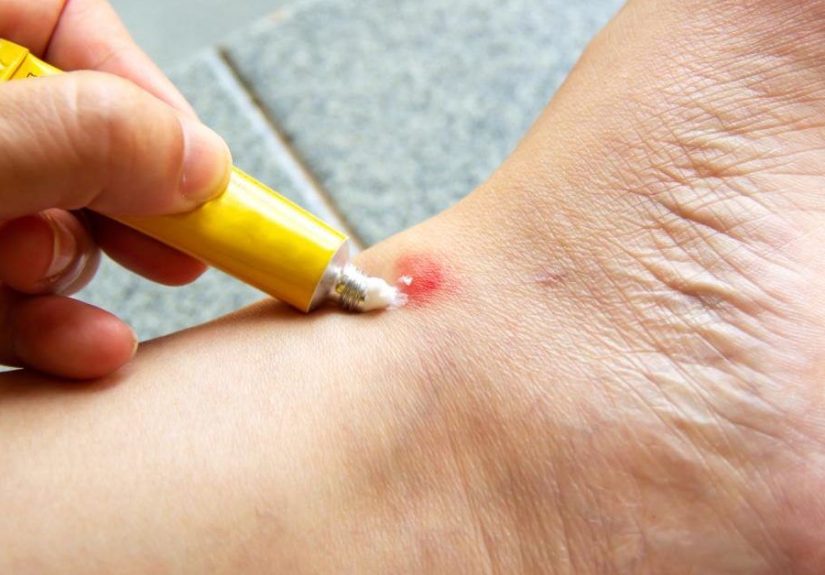
For bites that are especially itchy or swollen, over-the-counter 1% hydrocortisone cream can help reduce inflammation. Use it as directed on the package. Apply a thin layer to the bite, usually once or twice daily, unless the label says otherwise.
Hydrocortisone is not a “more is better” product. Do not use it on open wounds, infected skin, or near the eyes unless a healthcare professional says it is okay. For children, follow the label carefully or ask a pediatrician, especially if the bites cover a large area.
7. Antihistamine Creams or Oral Antihistamines
Because mosquito bite itching is connected to histamine, antihistamines may help some people. Anti-itch creams can be applied directly to the bite, while oral antihistamines may help if itching is widespread or keeping you awake.
Always follow the product label. Some oral antihistamines can cause drowsiness, which may be useful at bedtime but less charming before driving, studying, working, or trying to assemble patio furniture without inventing new swear words.
8. Honey: Use Carefully, Not on Open Skin
Honey is often mentioned as a home remedy because it has soothing qualities and is used in some wound-care contexts. However, for mosquito bites, it should be used carefully. If you try it, use a tiny amount on clean, unbroken skin, leave it briefly, and wash it off.
Do not use honey on babies under 1 year old, and do not apply sticky ingredients to open or infected skin. Also, honey can attract dirtand possibly more insects. Nothing ruins a home remedy faster than becoming dessert for the next mosquito committee.
9. Basil, Lemon Balm, and Other Plant-Based Remedies
Some people use plant-based remedies like basil leaves, lemon balm creams, or chamomile compresses for mild irritation. These may feel soothing, especially when chilled, but they are not as reliable as cold compresses, hydrocortisone, calamine, or antihistamine products.
If you use plant-based remedies, test a small area first. Natural does not always mean gentle. Poison ivy is natural too, and nobody invites it to brunch.
What Not to Put on Mosquito Bites
Some internet remedies sound creative but are not worth the risk. Avoid applying toothpaste, harsh alcohol, bleach, strong essential oils, garlic paste, lemon juice, or hot objects directly to mosquito bites. These can irritate or burn the skin, especially on children or sensitive areas.
Also avoid scratching until the skin breaks. If you cannot stop scratching, cover the bite with a bandage, wear light clothing over it, or keep fingernails short. For kids, distraction works better than speeches. A child with an itchy ankle does not want a lecture on dermatology. They want relief and possibly a snack.
When a Mosquito Bite Might Be Infected
Most mosquito bites are harmless, but infection can happen if scratching breaks the skin. Watch for spreading redness, increasing pain, warmth, pus, red streaks, fever, or swelling that keeps getting worse. A bite that becomes more painful instead of less painful deserves attention.
Seek medical care if symptoms are severe, if a bite is near the eye and swelling is significant, if fever develops, or if the person feels unusually ill. Also get help if there are signs of a serious allergic reaction, such as trouble breathing, swelling of the lips or face, dizziness, or widespread hives.
How to Prevent Mosquito Bites Next Time
Home remedies are helpful, but prevention is better. Mosquitoes are most active at certain times depending on the species, and they love standing water. Empty water from buckets, plant saucers, old tires, birdbaths, and outdoor toys. If water sits long enough, mosquitoes treat it like a five-star nursery.
Use smart protection outdoors
Wear long sleeves and long pants when mosquitoes are active. Choose loose-fitting clothing because mosquitoes can bite through thin, tight fabric. Repair window screens, use fans on patios, and consider mosquito netting when camping or sleeping in areas with heavy mosquito activity.
For exposed skin, use an EPA-registered insect repellent and follow the label. Common effective ingredients include DEET, picaridin, IR3535, oil of lemon eucalyptus, PMD, and 2-undecanone. If using sunscreen too, apply sunscreen first, let it dry, then apply insect repellent.
Best Remedy Combinations for Different Situations
For one fresh, swollen bite
Wash the area, apply a cold compress for 10 minutes, then use calamine or 1% hydrocortisone if it still itches.
For many small bites
Try a lukewarm colloidal oatmeal bath, then apply a gentle anti-itch lotion. Wear breathable clothing to reduce rubbing.
For nighttime itching
Use a cold compress before bed. If needed, consider an oral antihistamine according to the label. Keep nails short and cover bites lightly.
For kids who keep scratching
Clean the bites, use a cold compress, apply a child-appropriate anti-itch remedy, and cover the area with clothing or a bandage. Keep the treatment simple. Children are not famous for patiently air-drying oatmeal paste while sitting like tiny spa clients.
Real-Life Experience: What Actually Helps When Mosquitoes Treat You Like a Buffet
Anyone who spends time outdoors eventually learns that mosquito bites are not distributed fairly. In every family or friend group, there is usually one person who gets bitten 17 times while everyone else says, “Really? I didn’t notice any mosquitoes.” That person deserves compassion, not suspicious looks.
From practical experience, the best approach is to treat bites early. The first few minutes matter. If you wash the bite and cool it down before the itching gets intense, you are less likely to scratch it raw later. A cold compress is the hero here. It is boring, cheap, and effectivethe skin-care equivalent of a reliable old pickup truck.
For backyard evenings, keeping a small “bite kit” helps. It can include travel-size hydrocortisone cream, calamine lotion, bandages, antiseptic wipes, and a reusable cold pack in the freezer. This is especially useful for families with kids. When a child runs inside yelling about a bite, you do not want to begin a dramatic search through seven drawers and one suspicious bathroom cabinet.
Baking soda paste is useful when supplies are limited, such as during camping or travel. It is not elegant. It may flake. It may make your leg look like you lost a fight with pancake batter. But for mild itching, it can help enough to stop the scratching spiral.
Oatmeal baths work best when bites are scattered across larger areas, like after a camping trip where the mosquitoes clearly held a conference and voted you “Most Delicious.” The key is lukewarm water. Hot water feels comforting for about three seconds, then often makes itching worse. Lukewarm water plus colloidal oatmeal is much kinder to irritated skin.
Another lesson: do not underestimate clothing. Lightweight long pants, socks, and loose sleeves can prevent bites without much effort. Fans also help outdoors because mosquitoes are weak fliers. A simple patio fan can make your seating area less attractive to them, while also making you feel like the main character in a summer commercial.
People with stronger reactions should be extra prepared. If your bites become huge, painful, or last much longer than normal, talk with a healthcare professional about the best plan. Some people need more than a basic home remedy, especially if swelling is severe or sleep is affected.
The biggest practical rule is this: stop scratching before the skin breaks. Once the bite is open, the problem changes from “annoying itch” to “possible infection risk.” Covering the bite with a small bandage can help, especially overnight. It is not glamorous, but neither is waking up with a bite you accidentally excavated in your sleep.
In the end, effective mosquito bite care is a mix of quick action, gentle skin treatment, and prevention. You do not need a cabinet full of exotic remedies. You need clean skin, cold therapy, a proven anti-itch option, and enough self-control not to scratch like you are trying to solve a mystery hidden under your skin.
Conclusion
Effective home remedies for mosquito bites do not need to be complicated. Start by washing the area, then use a cold compress to calm swelling and itching. For extra relief, try calamine lotion, 1% hydrocortisone cream, baking soda paste, colloidal oatmeal, or an antihistamine product when appropriate. Avoid harsh ingredients, hot objects, and aggressive scratching.
Most mosquito bites go away on their own, but pay attention to warning signs such as spreading redness, pus, fever, severe swelling, or symptoms of an allergic reaction. And for the future, prevention matters: remove standing water, wear protective clothing, repair screens, use fans, and choose an EPA-registered repellent when mosquitoes are active.