Table of Contents >> Show >> Hide
- First: What “Scabs on the Scalp” Usually Means
- Common Causes of Scabs on the Scalp
- 1) Scratching, Picking, and “I Didn’t Even Realize I Was Doing That”
- 2) Seborrheic Dermatitis (Dandruff’s Bigger, Moodier Sibling)
- 3) Scalp Psoriasis (Thicker Scale, Stronger Opinions)
- 4) Folliculitis (Inflamed Hair Follicles That Act Like Pimples)
- 5) Tinea Capitis (Scalp Ringworm)
- 6) Head Lice (The “Why Is My Scalp So Itchy?” Classic)
- 7) Contact Dermatitis (Irritation or Allergy to Hair Products)
- 8) Less Common (But Worth Knowing) Causes
- How to Narrow Down the Cause: A Quick Self-Check
- How to Treat Scabs on the Scalp (Safely and Effectively)
- Step 1: Hands Off + Gentle Scalp Care
- Step 2: Try an OTC Medicated Shampoo (When Flaking/Scale Is Part of the Picture)
- Step 3: Address Folliculitis (Bumps, Pustules, Tender Spots)
- Step 4: Treat Head Lice the Right Way (If That’s the Culprit)
- Step 5: Don’t DIY Scalp Ringworm (Tinea Capitis)
- Step 6: Handle Contact Dermatitis (Product Reaction)
- When to See a Doctor or Dermatologist
- Prevention: Keeping Your Scalp From Re-Scabbing
- Conclusion
- Real-World Experiences: What Scalp Scabs Often Look Like in Everyday Life (and What People Learn)
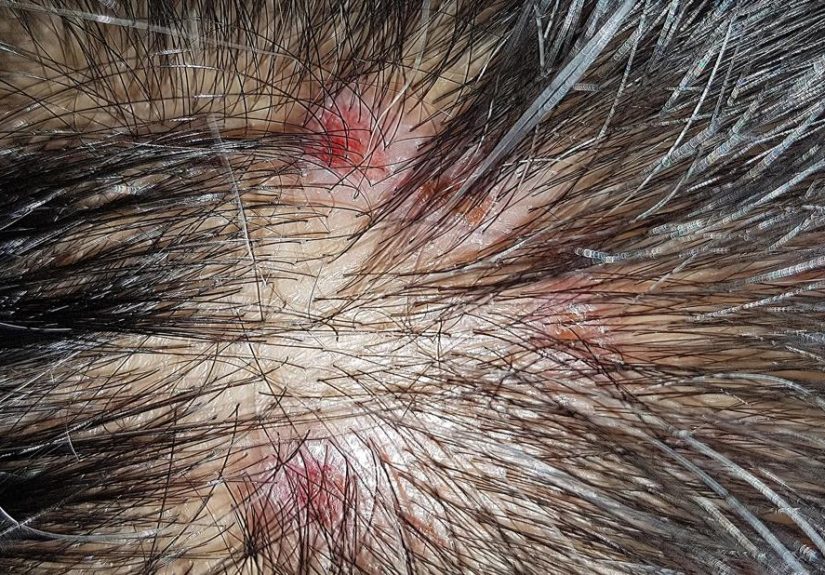
If you’ve discovered scabs on your scalp, welcome to the world’s least-fun scavenger hunt. One day you’re just living your life, the next you’re parting your hair like a detective looking for “clues,” only the clue is… crust. (Rude.)
The good news: scalp scabs are common, and most causes are treatable. The tricky part is that a scalp scab isn’t a diagnosisit’s your skin’s way of saying,
“Something irritated me, I got inflamed, maybe you scratched me, and now I’m trying to heal.”
Below is an in-depth, practical guide to the most common reasons scabs show up on the scalp, how to narrow down what’s going on, what you can safely try at home,
and when it’s time to get a professional opinion (because sometimes your scalp needs an adult).
First: What “Scabs on the Scalp” Usually Means
A scab is essentially a protective cover over injured skin. On your scalp, injury can come from obvious things (a scratch, a pimple, a tight hairstyle)
or from inflammation that breaks the skin barrier (like dermatitis, psoriasis, or an infection). Add hairaka nature’s curtainand it’s easy for issues to brew unnoticed.
Scabs often appear with other symptoms: itch, flaking, oily or dry scale, redness, tenderness, bumps, oozing, or patches where hair seems thinner.
Those details matter, because the “why” changes the “how to treat.”
Common Causes of Scabs on the Scalp
1) Scratching, Picking, and “I Didn’t Even Realize I Was Doing That”
Itchy scalp + fingernails = a fast track to tiny breaks in the skin. Even mild dryness can trigger scratching, and once the barrier is irritated,
it can itch more. That itch-scratch cycle is powerfuland unfortunately, your scalp can’t file a complaint with HR.
- Clues: scattered small scabs, itch that’s worse at night or when stressed, no clear pattern of thick scale.
- Common triggers: cold/dry weather, hot showers, harsh shampoos, frequent heat styling, tight hats/helmets, stress.
2) Seborrheic Dermatitis (Dandruff’s Bigger, Moodier Sibling)
Seborrheic dermatitis is one of the most common reasons people get scalp inflammation, flaking, and crusting. It’s associated with irritation and an
overgrowth of skin yeast (often Malassezia) in oily areas. You may see dandruff-like flakes, greasy scale, redness, and itchingsometimes along the hairline,
behind the ears, eyebrows, or sides of the nose.
- Clues: greasy or yellowish scale, dandruff flakes, itch, redness; may flare and calm down repeatedly.
- Why scabs happen: inflamed skin + scratching + crusting/scaling = scab-like patches.
3) Scalp Psoriasis (Thicker Scale, Stronger Opinions)
Scalp psoriasis can look like well-defined, red patches covered with thicker, silvery-white scale. It can extend beyond the hairline
and may be stubborn. Treatments overlap with seborrheic dermatitis (medicated shampoos can help), but psoriasis often needs targeted prescription therapy.
- Clues: thicker scale, more clearly defined plaques, may have psoriasis elsewhere (elbows, knees, nails).
- Why scabs happen: thick scale can crack or lift; scratching can lead to pinpoint bleeding and scabbing.
4) Folliculitis (Inflamed Hair Follicles That Act Like Pimples)
Folliculitis is inflammation or infection of hair follicles. On the scalp, it can show up as tender or itchy bumps, pustules,
or crusted spots that become scabsespecially if you scratch or if bumps break open. It can be triggered by bacteria, yeast,
irritation, sweat, friction, or certain hair products.
- Clues: small bumps or “pimples,” tenderness, itch, sometimes pus or crusting; may worsen with sweating or occlusive hats.
- Why scabs happen: bumps rupture or get scratched, then crust over.
5) Tinea Capitis (Scalp Ringworm)
Despite the name, ringworm is a fungal infection (no worms, thankfully). On the scalp, it can cause scaling, redness, itching,
and sometimes patches of hair loss. This is one of the big reasons persistent scalp scabs deserve attention:
scalp ringworm typically requires prescription oral antifungal medication, because creams and lotions don’t reliably treat scalp infections.
- Clues: scaly patches, broken hairs or hair loss, tenderness; may spread to other household members, especially kids.
- Important: if you suspect this, skip the home-only approach and get evaluated.
6) Head Lice (The “Why Is My Scalp So Itchy?” Classic)
Head lice can cause intense itching from an allergic reaction to bites. Scratching can lead to sores and scabs.
Some people don’t itch right away, especially during a first infestation, so “no itch” doesn’t always mean “no lice.”
- Clues: itching, tickling sensation, sores on scalp; nits (eggs) on hair shafts near the scalp.
- Note: lice are annoying, not a reflection of cleanliness. They’re equal-opportunity freeloaders.
7) Contact Dermatitis (Irritation or Allergy to Hair Products)
If your scalp reacts to a new shampoo, hair dye, styling product, fragrance, or even a “natural” essential oil blend,
you can develop contact dermatitis. That means inflammation, itching, and sometimes oozing/crusting that becomes scabs.
Irritant reactions can happen quickly; allergic reactions may be delayed by a day or two after exposure.
- Clues: flare after a new product, redness/itch along hairline or where product touches, burning or tenderness.
- Common culprits: hair dye chemicals, fragrances, preservatives, strong surfactants, essential oils.
8) Less Common (But Worth Knowing) Causes
Other issues can cause scalp scabs, including bacterial skin infections (like impetigo), inflammatory conditions,
orrarelyskin cancers that show up as non-healing sores. You don’t need to panic, but you should pay attention to
scabs that don’t improve or keep returning in the exact same spot.
How to Narrow Down the Cause: A Quick Self-Check
You can’t diagnose your scalp with 100% certainty in a bathroom mirror (even with dramatic lighting),
but you can gather clues that help you choose a safer next step.
Look for patterns
- Greasy/yellow scale + flakes: often seborrheic dermatitis.
- Thick, silvery scale + well-defined patches: often psoriasis.
- Bumps/pustules: often folliculitis.
- Patchy hair loss + scaling: consider tinea capitis (needs medical treatment).
- Sudden itch + exposure at school/daycare/household: consider lice.
- New product, hair dye, fragrance, essential oils: consider contact dermatitis.
Check your timeline
- New within days: product reaction, folliculitis flare, lice exposure, irritation from scratching.
- On-and-off for months/years: seborrheic dermatitis or psoriasis are common culprits.
- Not improving after a few weeks: time to get checkedespecially if hair loss or spreading is involved.
How to Treat Scabs on the Scalp (Safely and Effectively)
Treatment depends on the cause, but the foundation is the same: reduce inflammation, treat any underlying condition,
and protect the scalp so it can heal. Also: stop picking. (Yes, I know. Easier said than done.)
Step 1: Hands Off + Gentle Scalp Care
- Don’t pick scabs. Picking reopens the skin, increases infection risk, and delays healing.
- Use lukewarm water. Hot water can worsen dryness and irritation.
- Choose a gentle shampoo on non-medicated daysfragrance-free if you’re reactive.
- Avoid harsh scrubs and “scalp detox” abrasives while your scalp is inflamed.
- Pause heavy styling products (gels, sprays, waxes) if your scalp is irritated or crusting.
Step 2: Try an OTC Medicated Shampoo (When Flaking/Scale Is Part of the Picture)
For seborrheic dermatitis and some cases of scalp psoriasis, medicated shampoos can help. The key is choosing an active ingredient
that matches the likely cause and using it correctly (massage into the scalp; let it sit a few minutes; rinse well).
- Ketoconazole: targets yeast; helpful for dandruff/seborrheic dermatitis.
- Selenium sulfide: can reduce yeast and flaking.
- Zinc pyrithione: helps with dandruff and scalp irritation.
- Salicylic acid: helps lift scale and reduce buildup (can be drying for some).
- Coal tar: can slow skin cell buildup and reduce inflammation (often used for psoriasis; odor is… memorable).
If the scalp is very inflamed or itchy, short-term use of an anti-inflammatory scalp medication may be neededespecially for psoriasis.
A dermatologist can recommend prescription options like corticosteroid solutions/foams or other targeted treatments.
Step 3: Address Folliculitis (Bumps, Pustules, Tender Spots)
If you’re seeing pimple-like bumps, crusted pustules, or tenderness, avoid oily occlusive products and minimize friction (tight hats, helmet liners).
Because folliculitis can be bacterial or yeast-related, treatment variessometimes it improves with antiseptic washes or targeted prescription meds,
and sometimes it needs oral medication. If bumps are spreading, painful, or scarring, get evaluated.
Step 4: Treat Head Lice the Right Way (If That’s the Culprit)
Lice treatment usually involves an FDA-approved or recommended lice medication plus careful combing, and sometimes repeat treatment.
Follow the product directions closely. If you’re stuck in a cycle of “they keep coming back,” it’s worth reviewing technique,
checking close contacts, and confirming you’re dealing with lice (and not dandruff or hair casts).
- Tip: itch can persist for a bit even after lice are gone, so don’t judge success only by itch level.
Step 5: Don’t DIY Scalp Ringworm (Tinea Capitis)
This one is important enough to repeat: scalp ringworm usually requires prescription oral antifungals,
often for weeks to months. Topical creams and standard dandruff shampoos aren’t enough to cure it, although an antifungal shampoo
may be used to reduce spread alongside oral treatment. If you suspect ringwormespecially with hair lossbook medical care.
Step 6: Handle Contact Dermatitis (Product Reaction)
If scabs started after a new product, stop the suspected trigger immediately. Wash the scalp gently, avoid fragrances and essential oils,
and simplify your routine. Mild cases can improve with avoidance and gentle care. If symptoms are significant (oozing, swelling, intense itch),
you may need prescription anti-inflammatory treatment and help identifying the specific irritant/allergen.
When to See a Doctor or Dermatologist
Home care is reasonable for mild, short-lived irritation or dandruff-like flaking. But get medical attention if you notice any of the following:
- Scabs that don’t improve within 2–3 weeks or keep recurring in the same area
- Patchy hair loss, broken hairs, or spreading scaly patches (possible fungal infection)
- Severe pain, swelling, warmth, or increasing redness
- Pus, honey-colored crusting, or fever
- Signs of scarring, bald patches, or rapidly worsening bumps
- You’re immunocompromised, diabetic, or have a condition/medication that increases infection risk
Prevention: Keeping Your Scalp From Re-Scabbing
Once things calm down, prevention is about protecting the scalp barrier and controlling whatever condition is driving inflammation.
Think of it like maintaining peace talks between your scalp and your fingernails.
- Stick with a simple routine: gentle shampoo most days; medicated shampoo as needed for maintenance.
- Limit scalp irritants: heavy fragrance, strong alcohol-based styling products, and harsh exfoliants can backfire.
- Rinse after sweating: sweat + friction can trigger follicle irritation in some people.
- Be cautious with “natural” scalp hacks: essential oils can irritate or trigger allergies, especially on broken skin.
- Manage flare triggers: stress and cold weather can worsen inflammatory scalp conditions for many people.
Conclusion
Scabs on the scalp are usually a symptom of irritation or inflammationoften from seborrheic dermatitis, psoriasis, folliculitis,
lice, fungal infection, or a product reaction. The smartest approach is to match treatment to the pattern you’re seeing:
gentle care and anti-itch strategies, medicated shampoos for scale and dandruff, prompt medical care for infections (especially scalp ringworm),
and professional evaluation for persistent or worsening symptoms.
And remember: your scalp is not “dirty,” “broken,” or doomed. It’s just loudly requesting a better plan. Give it one.
Real-World Experiences: What Scalp Scabs Often Look Like in Everyday Life (and What People Learn)
Since “scabs on scalp” can mean several different things, a lot of the real-life experience is less about one perfect cure and more about
the “aha” momentwhen someone realizes what’s actually driving the itch, flakes, bumps, or crusting. Here are common patterns people describe,
plus the practical lessons that tend to help.
The “Winter Itch Spiral”
A very common story: temperatures drop, indoor heat turns on, showers get hotter (because it feels great), and suddenly the scalp feels tight and itchy.
Someone scratches without thinking while working, gaming, studying, or watching TV, and two days later they find little scabs that feel tender.
The lesson here is boring but powerful: for many people, the fix isn’t a miracle serumit’s lowering the irritation load.
Lukewarm water, a gentler shampoo, fewer fragrance-heavy products, and intentionally not scratching can calm things down faster than you’d expect.
People often say the biggest breakthrough was treating itch like a “warning light” instead of a command.
The “Dandruff Shampoo Didn’t Work… Because It Wasn’t Dandruff”
Another classic: someone sees flakes and assumes dandruff, grabs any anti-dandruff shampoo, and uses it once or twice.
Nothing changes, so they keep switching products. Weeks later, they have thicker crusts and more scabs from scratching.
What they learn (sometimes from a dermatologist, sometimes from a friend who’s been there): not all scalp flakes are the same.
Seborrheic dermatitis often responds best to specific antifungal ingredients, psoriasis may need prescription anti-inflammatory scalp treatments,
and scalp ringworm is a different category entirelyoften needing oral antifungal medication. The takeaway is that if you’ve tried
reasonable OTC options for a couple weeks and you’re not seeing improvement, it’s not “you failing at shampoo.”
It may be the wrong target.
The “New Hair Product Betrayal”
People also commonly connect scalp scabs to a product moment: a new hair dye, a strongly fragranced shampoo, a leave-in scalp oil,
or an essential oil blend meant to be “soothing.” Within a day or two, the scalp is itchy and inflamed, and scratching creates crusts.
The experience that teaches the most is the simplest: stop everything new, go back to a short ingredient list, and let the scalp calm down.
Many people report that once they removed the trigger and simplified, the scabs healed faster than any fancy product promised.
The practical habit that often sticks afterward is patch-testing or introducing only one new product at a time.
The “Bumps That Turned Into Scabs” (Folliculitis-Style)
When folliculitis is involved, people often describe “tiny pimples” on the scalpsometimes tender, sometimes just itchy.
They may notice it after heavy sweating, frequent hat/helmet use, or product buildup. Scratching or “popping” bumps tends to lead to scabbing
and longer healing time. The lesson most people learn the hard way: the scalp doesn’t love friction plus occlusion.
Switching to lighter products, rinsing after workouts, keeping helmet liners clean, and not manipulating bumps can reduce recurrences.
And when bumps spread, become painful, or start leaving thin/bald patches, many people say they wish they’d sought care sooner
instead of trying to out-stubborn the problem.
The “Surprise Lice” Reality Check
Lice experiences often come with disbelief (“We’re clean!”), which is understandable but not helpful. Lice don’t care.
The most useful learning people report is technique: following treatment directions exactly, using combing as recommended,
and checking close contacts. Another common experience: itch can linger even after lice are gone, which can cause people to over-treat
or panic. Confirming what’s actually on the scalp (live lice/nits vs. irritation) can save a lot of stressand a lot of unnecessary product use.
The “I Finally Asked a Professional” Win
A recurring theme: people wait because scabs feel embarrassing, then they finally see a clinician and realize it’s a well-known, manageable issue.
Whether it’s seborrheic dermatitis that needs a consistent medicated shampoo plan, psoriasis that responds to the right scalp medication,
or a fungal infection that needs an oral prescription, the “win” is often clarity. In hindsight, many people describe the appointment as a relief:
fewer guesses, fewer random products, and faster healing.
If you’re in the middle of the scalp-scab saga right now, you’re not aloneand you’re not weird. Treat the underlying cause, protect the skin barrier,
and give your scalp time to heal. And if it keeps coming back, get helpbecause your scalp deserves better than endless trial-and-error.