Table of Contents >> Show >> Hide
- Why Sending Yourself a Postcard Still Works in a Digital World
- The Real Value of Mailing a Postcard to Yourself
- How to Choose the Right Postcard
- What to Write on a Postcard to Yourself
- A Simple Formula If You Freeze Up
- Practical Tips for Mailing a Postcard While Traveling
- Postcard Ideas for Different Kinds of Travelers
- Why a Postcard Can Be Better Than a Passport Stamp or Random Trinket
- Creative Ways to Use Your Vacation Postcards After They Arrive
- What This Tiny Ritual Teaches You About Travel
- Conclusion: Mail the Memory Before It Slips Away
- Extra Travel Experiences: What It Feels Like When the Postcard Arrives
- SEO Tags
Note: This article is for informational purposes and based on real travel and mailing practices. Postcard availability, postage, and delivery times can vary by destination, season, and local postal service.
Every trip produces the same small crisis: you come home with 427 photos, three blurry videos of a sunset, one receipt from a café you meant to remember forever, and a deep belief that this time you will absolutely organize it all. Then life happens. The suitcase gets unpacked, the beach towel gets washed, and your great vacation becomes a folder on your phone called “IMG_Stuff_Final_ReallyFinal.”
That is exactly why you should send yourself a postcard on vacation to remember the trip. It is simple, affordable, oddly emotional, and much more powerful than it sounds. A postcard is not just a cheap souvenir. It is a time capsule with a stamp, a postmark, a place name, and a version of you who was standing somewhere new, feeling something fresh, and trying to capture it before normal life barged back in.
If you want a travel habit that feels charming instead of performative, this is it. Mailing yourself a postcard turns one fleeting travel moment into something physical you can hold months or even years later. Better yet, it asks almost nothing from you: ten minutes, a pen, a stamp, and one small burst of honesty.
Why Sending Yourself a Postcard Still Works in a Digital World
We live in a time when every trip gets documented to death. Photos are taken instantly, uploaded instantly, forgotten instantly. The problem is not that we lack memories. It is that we often lack meaningful anchors for those memories. A postcard does something your camera roll rarely does: it narrows the moment.
Instead of trying to capture everything, a postcard forces you to choose one image, one place, and one short message. That limitation is the magic. You are not building a museum. You are pinning down one honest memory before it floats away.
That is also why postcards make better long-term souvenirs than a lot of random travel clutter. A T-shirt can shrink. A novelty spoon can confuse future generations. A postcard, on the other hand, carries context. The image shows where you were. The stamp and postmark show when you were there. Your handwriting shows who you were in that exact season of life. That is not clutter. That is evidence.
The Real Value of Mailing a Postcard to Yourself
1. It creates a memory before nostalgia edits it
Memory is dramatic. It adds glitter to some moments and throws others under the bus. When you write a postcard during the trip, you capture details before they get polished by hindsight. Maybe the day was not “perfect.” Maybe it rained in Charleston, you got lost in Lisbon, or your sandwich in Chicago cost more than your dignity would prefer to admit. But the postcard preserves the mood as it really was.
2. It turns a souvenir into a story
Good souvenirs do more than prove you were somewhere. They bring back the texture of the trip. A postcard does this beautifully because it combines image and narrative. The front says, “Here is the place.” The back says, “Here is what it felt like to be me in that place.”
3. It gives you a future surprise
One of the best parts is the delay. You may get home before the card arrives, or it may show up a week later when the laundry mountain is still judging you. Either way, receiving mail from your vacation feels delightful. It is like your past self sent a tiny emotional care package to your present self.
4. It helps you travel more attentively
When you know you are going to write a postcard, you start noticing better details. You look for the image you want. You think about what really mattered that day. You pay attention to the smell of the market, the sound of the train station, the way the morning light hit the water, or the joke your travel partner kept repeating until it somehow became funny.
How to Choose the Right Postcard
Not all postcards deserve your stamp. Some are glorious little artworks. Others look like they were designed by a printer running on pure chaos. Choose one that reflects the actual spirit of your trip.
A good travel postcard usually falls into one of these categories:
- The classic landmark card: Ideal when the place itself is the star.
- The local art card: Great when you want something more personal and less tourist-rack predictable.
- The funny or weird card: Perfect if your trip had a sense of humor or the destination has a wonderfully odd side.
- The vintage-style card: Excellent for travelers who like nostalgia with their espresso.
Do not overthink it. The best postcard is not always the prettiest one. It is the one that makes you say, “Yes, this is the trip.”
What to Write on a Postcard to Yourself
This is where people panic, as if the postcard will be graded by a panel of literary ghosts. Relax. You are not writing a memoir. You are writing a message to the person you will be when the trip is over.
Here are a few things worth including:
- What you did that day
- What surprised you most
- What you ate, heard, smelled, or noticed
- How you felt, honestly
- One tiny detail you might otherwise forget
For example, instead of writing, “Having a great time in New Orleans,” write something like this:
I bought this card after getting caught in a sudden rainstorm near Jackson Square. My shoes were soaked, the jazz band kept playing anyway, and I had the best beignet of my life ten minutes later. I want to remember that I was tired, happy, and not in a hurry.
That is the good stuff. Specific beats generic every time.
A Simple Formula If You Freeze Up
If your brain turns into mashed potatoes the minute you hold a pen, use this formula:
Today I was…
The best part was…
I do not want to forget…
When this arrives, I hope I still remember…
That structure gives you enough direction without making the note feel robotic. Keep it short. A postcard is supposed to feel like a snapshot, not a hostage letter from your itinerary.
Practical Tips for Mailing a Postcard While Traveling
Bring addresses with you
Before you leave home, save your mailing address in your phone notes, email it to yourself, or tuck it into your wallet. You would be amazed how many adults can book an international flight but cannot confidently remember their own ZIP code under pressure.
Buy the card early, not on your last day
Last-day shopping is where good intentions go to die. Pick up postcards early in the trip, then mail one when you have a quiet moment. A café stop, a train ride, or a slow morning works beautifully.
Keep a pen on you
Borrowing a pen sounds easy until you are in a tiny shop, a crowded terminal, or a windswept coastal town where the only pen available is chained to a counter like a medieval relic. Bring your own.
Check local postage and drop-off options
Postage rules differ by country and sometimes by card size. If you are mailing within the United States, official USPS size rules matter because oversized or unusually shaped cards may be charged at letter rates rather than postcard rates. Abroad, local postal services set their own prices and procedures, so ask at a post office, hotel desk, or reputable stationery shop if you are unsure.
Give it time
International postcards can take days or weeks to arrive. That is part of the charm. You are not summoning a pizza. You are sending a memory through the mail.
Postcard Ideas for Different Kinds of Travelers
For solo travelers
A postcard can become a private travel journal in miniature. Write about what felt brave, awkward, funny, or unexpectedly peaceful. Solo travel often changes your inner life in quiet ways. A short card is a brilliant place to capture that.
For couples
Write one card together. Each person gets a few lines. Later, you will not just remember the destination. You will remember how each of you experienced it differently. One person may rave about the architecture while the other is still emotionally committed to the pasta.
For families
Let kids help choose the postcard and add one sentence to the back. Their observations are usually better than adult travel prose anyway. Expect gems like, “The castle was cool but the cat at lunch was cooler.” That is archival treasure.
For road-trippers
Mail one card from each major stop. By the end of the trip, you have a stitched-together paper timeline of the journey. It is surprisingly satisfying.
Why a Postcard Can Be Better Than a Passport Stamp or Random Trinket
Travelers love proof. Proof we went. Proof we wandered. Proof we once paid too much for coffee in a city with excellent lighting. But not every form of proof ages well.
Random souvenirs often end up in drawers, and unofficial souvenir passport stamps can create problems because passports are legal documents, not scrapbooks. A postcard gives you the same emotional payoff without the risk or the clutter. It is official enough to be mailed, personal enough to matter, and small enough not to take over your home like a magnet army.
Creative Ways to Use Your Vacation Postcards After They Arrive
Once your postcard makes it home, do not just toss it in a pile with utility bills and expired coupons. Give it a second life.
- Keep postcards in a travel journal or binder by year
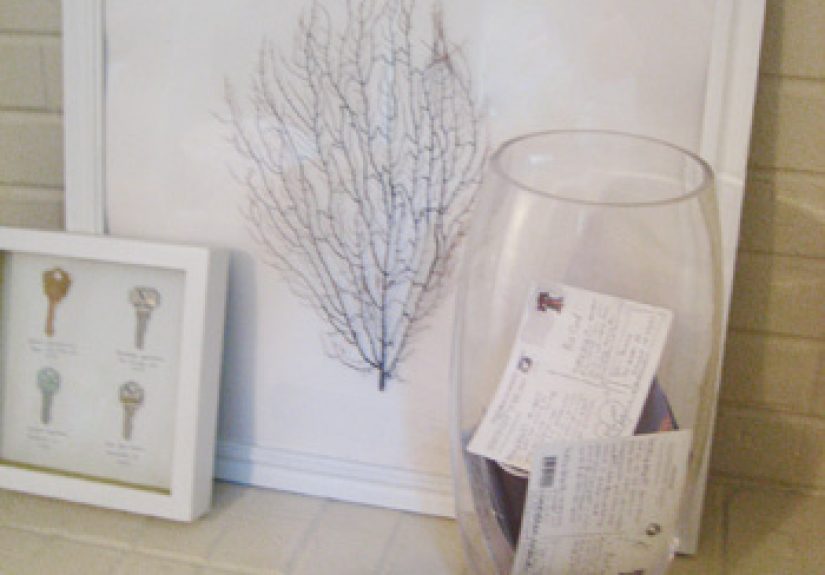
- Frame a few favorites for a hallway or office
- Store them in a memory box with tickets and small paper mementos
- Create a postcard wall with clips, string, or a corkboard
- Use them as prompts when making photo books after the trip
This is one reason postcards work so well: they are easy to keep, easy to display, and easy to revisit. Unlike digital photos, they do not require a charger, a password, or the emotional stamina to scroll through 900 nearly identical sunset pictures.
What This Tiny Ritual Teaches You About Travel
Sending yourself a postcard on vacation is not really about paper. It is about attention. It is about choosing one moment and saying, “This mattered.” Travel moves quickly. So do we. A postcard slows the experience down just enough for meaning to catch up.
It also reminds you that memory is built through intention. You do not remember everything from a trip. You remember what you noticed, what you repeated, and what you preserved. A postcard helps with all three.
And maybe that is the deeper charm of the whole thing. The postcard is not trying to outperform your phone. It is doing something your phone cannot do nearly as well. It becomes an object with a journey of its own. It traveled through a postal system, crossed borders, picked up marks and wear, and arrived carrying your words back to you. That is not just documentation. That is poetry with postage.
Conclusion: Mail the Memory Before It Slips Away
If you want to remember your travels more vividly, start small. Buy a postcard. Write a few truthful lines. Address it to yourself. Drop it in the mail. That is it.
Years from now, you probably will not remember every restaurant, every hotel, or every airport gate. But you may remember the postcard that arrived after the trip, the one where you wrote about the heat, the laughter, the street music, the mountain air, or the unbelievable sandwich. You may remember how it felt to hear from the version of yourself who was out in the world, paying attention.
So yes, send yourself a postcard on vacation to remember the trip. It is old-school, a little romantic, wonderfully low-tech, and far more meaningful than most souvenirs fighting for space on a shelf. Your future self will be delighted to get the mail.
Extra Travel Experiences: What It Feels Like When the Postcard Arrives
There is a very specific feeling that comes with opening your mailbox after a trip and finding a postcard addressed in your own handwriting. First, there is confusion. For one absurd half-second, you think, “Who wrote to me from Maine?” Then you realize it was you, and suddenly the ordinary Tuesday you were having gets interrupted by a version of yourself who was sunburned, over-caffeinated, and thrilled to be somewhere else.
That is what makes the experience so effective. The postcard does not just remind you of the destination. It revives the mood. You can almost feel the humidity from the harbor, hear the train brakes in the station, or smell the bakery you stumbled into by accident because you took the wrong street and decided not to be upset about it. A good postcard brings back those small, human details that photos often miss.
Imagine coming home from a week in San Diego. A few days later, your postcard arrives with a bright ocean photo on the front. On the back, you had written about fish tacos, sandal-related blisters, and the surprising peace of watching surfers at dusk. You are no longer just remembering “that California trip.” You are remembering the exact evening you sat near the water and felt your brain finally stop buzzing.
Or picture a winter trip to New York City. The postcard shows a classic skyline, but your note talks about the roasted nuts from a street cart, the frozen fingers, the stranger who gave you subway directions, and the fact that the museum café soup somehow tasted like salvation. That is not generic travel memory. That is lived experience, pressed into a few square inches.
The best postcards also age well. Ten years later, they do not become less interesting. They become more interesting. Your handwriting changes. Your priorities change. The places themselves change. A card from a honeymoon, a graduation trip, a family vacation, or a solo weekend getaway can end up documenting much more than a destination. It can quietly record a whole chapter of life.
That is why some travelers make this a ritual. One postcard per trip. Same format every time. Maybe they always include what they ate, what surprised them, and what they hope not to forget. Over the years, those cards become a paper map of a life well traveled. Not flashy. Not algorithm-friendly. Just deeply personal.
And honestly, that may be the best part. A postcard asks nothing from the internet. It does not care about likes, captions, or whether your vacation looked glamorous enough. It only asks whether the moment meant something to you. When the answer is yes, the card becomes more than mail. It becomes proof that you were there, awake to your own life, and thoughtful enough to send the memory home.