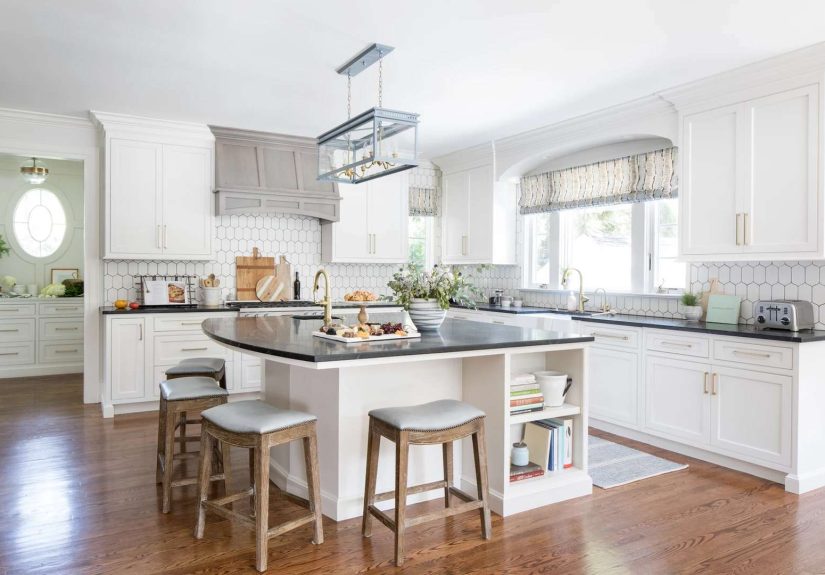
Table of Contents >> Show >> Hide
- The Big Winner: Pantry-First Kitchen Design
- Why Buyers Love This Feature So Much
- What “Pantry” Means in 2026
- Wait, What About the Kitchen Island?
- The Supporting Cast Buyers Also Want
- How Sellers Can Add the Right Feature Without a Full Gut Remodel
- Kitchen Features That Matter Less Than People Think
- What This Means for 2026 Home Value
- Real-Life Experiences That Show Why This Feature Wins
- Conclusion
If the kitchen is the heart of the home, then 2026 buyers want that heart to be a little less chaotic, a little more useful, and a lot better at hiding cereal boxes. After reviewing what real estate agents, builders, designers, and remodeling trend reports keep saying, one conclusion rises above the backsplash noise: the kitchen feature buyers want most in 2026 is smart pantry storage, especially a walk-in pantry, a hidden pantry wall, or a well-designed pantry cabinet system.
That may not sound as glamorous as a six-burner range or a faucet that looks like it belongs on a spaceship, but buyers are not shopping for a showroom. They are shopping for a life. And in real life, people want somewhere to stash the air fryer, the Costco haul, the lunch boxes, the stand mixer, the coffee gear, and that one giant serving platter that appears exactly twice a year and still refuses to fit anywhere.
In other words, the most desirable kitchen feature in 2026 is not about flash. It is about function, flexibility, and clutter control. That is why storage-driven kitchen design is winning. A pantry gives buyers the feeling that a kitchen will work hard without looking stressed out. In a market where buyers are watching their budgets and thinking more carefully about daily usability, that matters.
The Big Winner: Pantry-First Kitchen Design
Ask enough real estate pros what makes buyers pause in a good way during a showing, and you will hear a familiar theme: kitchens that feel organized sell a lifestyle before they sell a floor plan. In 2026, that lifestyle is built around pantry space.
Not just any pantry, either. Buyers are drawn to pantry solutions that make the main kitchen look calm and the daily routine feel easier. That can mean a traditional walk-in pantry, a bank of tall pantry cabinets, a butler’s pantry, a prep pantry, or a concealed storage zone tucked behind matching cabinet panels. The label can change. The mission stays the same: make the kitchen beautiful and livable.
This is why pantry storage beats trendier upgrades. A pot filler is nice. A sculptural hood is pretty. A dramatic slab backsplash looks expensive. But pantry storage solves more problems, more often, for more people. It adds utility without demanding a giant kitchen, and it helps even a modest home feel more thoughtfully designed.
Why Buyers Love This Feature So Much
1. It makes everyday life easier
Buyers today are less impressed by purely decorative upgrades and more interested in features that reduce friction. A good pantry cuts down on visible mess, keeps counters clearer, and gives every item a home. That sounds simple, but it changes how a kitchen feels. A room that once felt cramped can suddenly feel efficient. A room that looked busy can suddenly look polished.
That is especially important in open-concept homes, where the kitchen is visible from the dining area, family room, or entry. When buyers can see the kitchen from half the house, they want it to look composed. Pantry storage lets homeowners keep the practical stuff nearby without putting it on permanent display like a grocery store endcap.
2. It supports the “kitchen as command center” idea
The modern kitchen is not just for cooking. It is a breakfast bar, homework zone, coffee station, party staging area, grocery landing pad, and, on some weekdays, an unofficial office annex. That means buyers need more than pretty counters. They need infrastructure.
A pantry provides that infrastructure. It gives families a place to store snacks at kid height, hide small appliances, organize entertaining supplies, and separate the “working kitchen” from the “show kitchen.” In 2026, that separation is a big deal. Buyers still want kitchens that feel open and social, but they also want a place where the mess can disappear before guests ring the bell.
3. It adds value without feeling trendy
One reason pantry-focused design is so appealing is that it feels timeless. Colors change. Hardware finishes rotate in and out of fashion. The all-white kitchen has softened into warmer tones, more wood, and more texture. But practical storage? That never really goes out of style.
A walk-in pantry or pantry cabinet wall also reads as a smart use of square footage. Buyers are increasingly willing to compromise on some things, but they still resist sacrificing kitchen function. When a home has strong kitchen storage, it signals thoughtful planning. That is exactly the kind of detail buyers remember.
What “Pantry” Means in 2026
In 2026, the pantry is having a glow-up. It is no longer just a dark closet where canned soup goes to be forgotten. Buyers and pros are thinking about pantry space in a more layered way.
Walk-in pantry
This is still the crowd-pleaser. A walk-in pantry offers generous food storage, room for bulk purchases, and space for the bulky appliances homeowners want nearby but not necessarily on display. It is the easiest feature for buyers to understand because the value is immediate. Open the door, see the shelves, imagine your life becoming 14% more organized. Magic.
Pantry cabinets
Not every home has room for a separate pantry, and that is where tall pantry cabinetry shines. Floor-to-ceiling cabinets with pull-outs, drawer storage, tray dividers, spice organization, and appliance zones can deliver much of the same benefit in a smaller footprint. For many buyers, this is the sweet spot between luxury and practicality.
Hidden pantry or concealed storage wall
One of the strongest kitchen design directions heading into 2026 is reduced visual clutter. Buyers love concealed storage because it helps kitchens feel calmer and more upscale. Pocket doors, integrated panels, and appliance garages keep the hard-working parts of the kitchen tucked away. The room looks cleaner, but it also works harder.
Butler’s pantry or prep pantry
At the higher end of the market, buyers are paying attention to secondary prep spaces. These areas can hold coffee machines, beverage stations, extra refrigeration, microwaves, or cleanup zones. In homes designed for entertaining, this feature is especially attractive because it lets the main kitchen stay guest-ready while the practical work happens behind the scenes.
Wait, What About the Kitchen Island?
Fair question. Some 2026 real estate roundups say the oversized kitchen island is the feature buyers want most. And honestly, that is not wrong so much as incomplete. Islands are still hugely popular because they add seating, prep space, storage, and social connection. Buyers love a good island for the same reason they love a good pantry: it makes the kitchen more useful.
But when you zoom out, pantry-first storage has the broader case. It appears consistently across buyer surveys, homebuilding research, kitchen remodeling studies, and staging guidance. The island may be the feature buyers notice first. The pantry is often the feature that makes them believe the kitchen will truly work for them.
Think of it this way: the island is the extrovert of the kitchen. The pantry is the competent friend who quietly saves the entire evening.
The Supporting Cast Buyers Also Want
Even though pantry storage is leading the pack, it works best when paired with other smart kitchen upgrades. Buyers in 2026 are especially responsive to features that reinforce convenience and usability.
Pull-out shelves and deep drawers
These make lower cabinets more accessible and reduce the dreaded kneel-and-rummage routine. They also make the kitchen feel custom rather than builder-basic.
Dedicated appliance storage
Appliance garages, mixer lifts, and tucked-away coffee stations are getting attention because they keep counters cleaner and routines smoother. Buyers love the idea of function without visual overload.
Easy-care surfaces
Quartz countertops, slab backsplashes, and durable finishes continue to appeal because buyers want kitchens that are both attractive and low-maintenance. Beauty is great. Beauty that wipes clean after taco night is better.
Warm, livable design
Design direction matters too. The kitchen aesthetic buyers are gravitating toward in 2026 feels warmer, softer, and less sterile than the ultra-crisp looks of the previous decade. Wood tones, earthy colors, layered lighting, and furniture-like cabinetry help kitchens feel welcoming rather than clinical. When paired with strong storage, that warmth becomes a real selling point.
How Sellers Can Add the Right Feature Without a Full Gut Remodel
Not every seller can carve out a full walk-in pantry before listing a home, and that is fine. Buyers care about usable storage, not just buzzwords. There are several ways to make a kitchen feel more pantry-rich without tearing the place down to the studs.
Convert one wall into pantry cabinetry
Tall cabinets with internal pull-outs, drawers, and vertical dividers can mimic the impact of a pantry without requiring a separate room. This upgrade often gives a kitchen a more custom look too.
Add order where chaos used to live
Organized interiors matter. Shelf risers, drawer inserts, labeled bins, tray storage, and designated zones for snacks, baking, and appliances can make average cabinets feel far more impressive during showings.
Create a mini prep zone
A tucked-away coffee bar, microwave station, or underused corner with extra storage can hint at the kind of flexible kitchen buyers want. The idea is to show that the space supports routines, not just recipes.
Stage the pantry like it matters
Because it does. A well-staged pantry photographs beautifully and helps buyers picture calm, organized living. That is a powerful emotional cue. A pantry stuffed with random boxes tells one story. A pantry with baskets, clear containers, and breathing room tells another.
Kitchen Features That Matter Less Than People Think
Here is where buyers are getting more practical. Overly flashy upgrades do not always win the way sellers hope they will. Professional-grade appliances are impressive, but they are not universally necessary. Open shelving can look charming in a magazine spread, but many buyers now see it as dust management disguised as design. Highly specific finishes can also narrow appeal.
That is why pantry storage is so powerful. It is widely useful. It works for families, empty nesters, entertainers, bulk shoppers, remote workers, and people who simply want the toaster to stop living on the counter like it pays rent.
What This Means for 2026 Home Value
If you are renovating with resale in mind, the smartest kitchen investment is the one that improves daily function for the broadest range of buyers. In 2026, that means prioritizing storage, workflow, and visual calm over one-off showpieces.
A pantry-centered kitchen tells buyers the home has been designed for real life. It supports meal prep, hosting, school mornings, weekend baking, warehouse-store shopping, and the general chaos of being a person with groceries. That is the kind of practicality buyers are willing to pay attention to.
So yes, the backsplash matters. The island matters. The lighting matters. But if you want the feature that best captures what buyers want most in 2026, start with the pantry. Not because it is trendy, but because it solves problems beautifully. And that, in any market, is the kind of feature that sticks.
Real-Life Experiences That Show Why This Feature Wins
One of the clearest examples comes from a young family touring open-concept homes in a competitive suburban market. They loved beautiful kitchens, of course, but after a few weekends of showings, they kept talking about the same thing on the drive home: where would all the real stuff go? Not the styled fruit bowl. The real stuff. School snack bins, the slow cooker, the oversized cereal boxes, water bottles, reusable lunch bags, paper towels, birthday candles, and the emergency stash of pasta nobody admits to relying on. The houses with gorgeous counters but weak storage blurred together. The one with the walk-in pantry stood out immediately. They could picture Monday morning there. That is what sold them.
Another experience comes from a downsizing couple leaving a much larger home. They were not looking for a giant kitchen. In fact, they wanted less square footage and less maintenance. But they still wanted efficiency. What won them over in one newer townhouse was not a dramatic range hood or trendy tile. It was a wall of tall pantry cabinets with pull-outs, hidden drawers, and built-in spots for small appliances. They said the kitchen felt “finished,” and that word is revealing. Buyers often use “finished” when they mean thoughtfully solved.
Agents see this reaction all the time. A home can have a stylish island and still leave buyers cold if the storage is an afterthought. On the other hand, a moderately sized kitchen with a smart pantry setup often gets remembered as the practical favorite. Buyers open pantry doors with the kind of focus usually reserved for tax refunds and concert presales. They are not just checking shelves. They are imagining how daily life would run.
There is also the entertaining angle. One homeowner who regularly hosts holidays added a small prep pantry off the main kitchen during a remodel. Nothing extravagant: extra cabinetry, a second counter, concealed microwave space, and room for serving pieces. The payoff came later, when guests crowded around the island while the mess stayed out of sight. The kitchen felt calmer, hosting felt easier, and the house photographed better when it was time to list. Potential buyers immediately understood the value because the feature was not abstract. It was visible workflow.
Even in smaller homes, the same lesson applies. A compact bungalow with no room for a walk-in pantry used one shallow wall for full-height cabinets, deep drawers, vertical tray storage, and a hidden coffee nook. It did not have luxury-square-footage swagger, but it had intention. Buyers responded because they could see that every inch was doing something useful.
That is really the story of the 2026 kitchen. People still want beauty, but they trust beauty more when it is backed by smart design. The most memorable kitchens are not always the largest or the flashiest. They are the ones that make buyers think, “Oh good, this house understands how people actually live.” And more often than not, that feeling starts the moment a pantry door opens.
Conclusion
In 2026, the kitchen feature buyers want most is not just a prettier kitchen. It is a more capable one. Real estate pros may still rave about oversized islands, and designers will keep refining finishes, lighting, and color palettes. But the strongest signal across the market is pantry-focused storage: walk-in pantries, pantry cabinets, hidden storage walls, and prep spaces that make the kitchen more organized, more flexible, and easier to enjoy.
That is the real takeaway for sellers, renovators, and homeowners. If you want a kitchen that feels current, appeals to buyers, and supports everyday life, start with storage that works beautifully. The sexiest feature in 2026 might just be the one that hides the blender.