Table of Contents >> Show >> Hide
- Why This Wild Mushroom Cream Sauce Works
- Ingredients
- How to Make Wild Mushroom Cream Sauce
- Best Mushrooms to Use
- Tips for a Better Mushroom Cream Sauce
- Easy Variations
- What to Serve with Wild Mushroom Cream Sauce
- How to Store and Reheat It
- Common Mistakes to Avoid
- Final Thoughts
- Experiences and Kitchen Moments Inspired by Wild Mushroom Cream Sauce
- SEO Tags
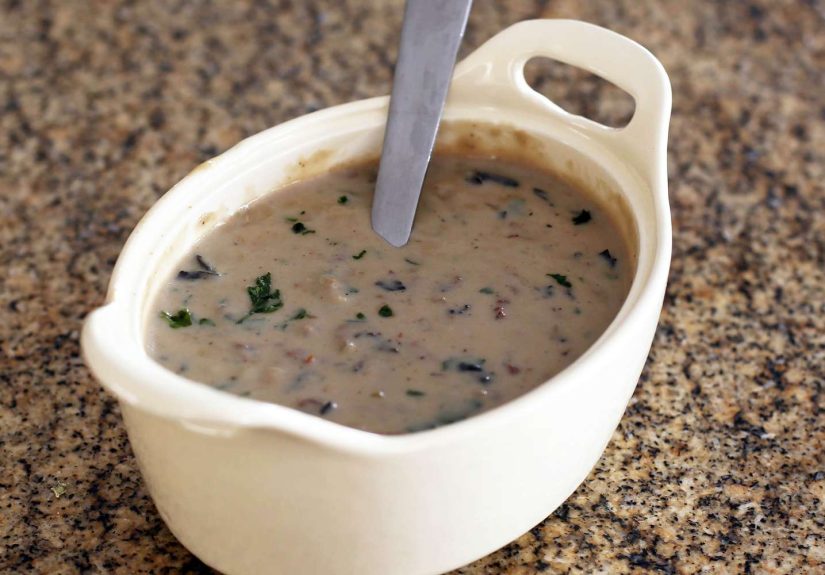
Some sauces whisper. This one walks into the kitchen wearing a velvet coat and smelling like butter, thyme, and very good decisions. A proper wild mushroom cream sauce is earthy, silky, and deeply savory without being heavy enough to make your dinner feel like it needs a nap afterward. The trick is not dumping cream into a pan and hoping for a miracle. The trick is building flavor in layers: browning the mushrooms until they smell nutty and rich, waking up shallots and garlic, splashing in wine or stock, and only then letting cream step in like the final actor in a movie who somehow steals the whole scene.
This version is designed for real home cooks, not television people with twelve burners and suspiciously calm hair. It works beautifully over pasta, chicken, steak, pork chops, mashed potatoes, polenta, toast, and even roasted vegetables. It also gives you room to play. Use a mix of wild mushrooms such as oyster, shiitake, chanterelle, maitake, or cultivated specialty blends from a grocery store or farmers market. Cremini can absolutely join the party too. In fact, they should. They are affordable, reliable, and know how to behave in a skillet.
One important note before we go full sauce goblin: “wild mushroom” in a home recipe should mean mushrooms purchased from a reputable market, specialty grocer, or trusted farm stand. It should not mean “something my cousin found near a damp tree and felt optimistic about.” Delicious sauce is wonderful. Emergency toxicology is not.
Why This Wild Mushroom Cream Sauce Works
The best mushroom cream sauce tastes intensely mushroomy first and creamy second. That balance matters. Mushrooms contain a lot of moisture, so if you rush them, they steam instead of brown. Browning creates concentrated flavor and gives the sauce complexity. Shallots bring sweetness, garlic adds backbone, thyme gives it woodland energy, and a splash of dry white wine or stock lifts the whole thing so it tastes elegant instead of flat. Heavy cream rounds everything out without splitting, and Parmesan adds extra umami if you want the sauce to lean a little more toward “restaurant date night” than “Tuesday survival meal.”
A mixed mushroom sauce also wins on texture. Shiitakes bring chew, oysters stay tender, maitake gets lacy and crisp at the edges, chanterelles feel delicate and a little luxurious, and cremini keep the flavor grounded. When all of that lands in one glossy pan, the result is a sauce with actual personality. It is not just beige gravy wearing a mushroom disguise.
Ingredients
For the sauce
- 1 pound mixed mushrooms, cleaned and sliced or torn into bite-size pieces
- 2 tablespoons olive oil
- 2 tablespoons unsalted butter
- 2 medium shallots, finely chopped
- 3 garlic cloves, minced
- 1 teaspoon fresh thyme leaves, plus extra for finishing
- 1/2 cup dry white wine
- 1/2 cup chicken stock or vegetable stock
- 3/4 cup heavy cream
- 1/4 cup finely grated Parmesan cheese, optional
- 1 teaspoon Dijon mustard, optional but excellent
- 1 teaspoon lemon juice
- Salt and freshly ground black pepper, to taste
- 2 tablespoons chopped parsley
Optional add-ins
- 1 tablespoon rehydrated chopped porcini for deeper flavor
- 1 teaspoon Worcestershire sauce for a darker savory note
- Pinch of red pepper flakes for gentle heat
- A spoonful of crème fraîche or sour cream for tang
How to Make Wild Mushroom Cream Sauce
1. Prep the mushrooms like you mean it
Brush off dirt with a damp paper towel or soft brush. Do not soak them unless they are truly muddy, and even then be quick about it. Slice large mushrooms and tear delicate ones like oyster or maitake into natural pieces. That uneven, rustic shape is not just pretty. It creates more texture in the finished sauce.
2. Brown the mushrooms properly
Heat a large skillet over medium-high heat. Add the olive oil and 1 tablespoon of butter. When the pan is hot, add the mushrooms in a single layer as much as possible. If your pan is crowded, cook in batches. This is the part where patience becomes flavor. Let the mushrooms sit long enough to take on color before stirring. Season with a pinch of salt and black pepper. Cook for 8 to 10 minutes, or until they release their moisture and then begin to brown and smell gloriously woodsy.
3. Add the aromatics
Reduce the heat to medium. Add the shallots and cook for 2 minutes until softened. Stir in the garlic and thyme and cook for about 30 seconds, just until fragrant. You want the kitchen to smell like a cozy cabin with excellent cookware, not scorched garlic sadness.
4. Deglaze and reduce
Pour in the white wine and scrape up the browned bits from the bottom of the pan. Those little caramelized bits are flavor gold. Let the wine bubble until reduced by about half. Add the stock and simmer for another 2 to 3 minutes. This reduction step keeps the sauce from tasting watery and gives it a concentrated, savory base.
5. Finish with cream
Lower the heat and stir in the heavy cream. Add the remaining tablespoon of butter for extra gloss. If using, stir in the Dijon mustard and Parmesan. Let the sauce simmer gently for 2 to 4 minutes until slightly thickened. Do not boil it aggressively. Cream likes a calm environment. Finish with lemon juice, parsley, and more black pepper. Taste and adjust the salt.
6. Serve immediately
This sauce is best while warm and silky. Spoon it over seared chicken breasts, steak, pork chops, soft polenta, roasted potatoes, buttered noodles, or fresh pasta. It is also outrageously good on thick toast with a fried egg on top, which is what happens when breakfast and dinner stop arguing and choose joy.
Best Mushrooms to Use
If you want a truly memorable wild mushroom cream sauce recipe, use a mix instead of one single variety. Here is a helpful breakdown:
- Cremini: Affordable, earthy, and dependable. Great base mushroom.
- Shiitake: Rich flavor and pleasantly chewy texture. Remove tough stems.
- Oyster: Delicate, tender, and beautifully silky in cream sauces.
- Maitake: Crisp edges, deep flavor, and dramatic texture.
- Chanterelle: Buttery, lightly fruity, and especially elegant.
- Porcini: Fresh or dried, they add serious woodsy depth.
If specialty mushrooms are expensive in your area, use a smaller amount of wild mushrooms and bulk out the rest with cremini. That is not cheating. That is budget-aware genius.
Tips for a Better Mushroom Cream Sauce
Do not crowd the pan
This is the number one mushroom rule. Crowding creates steam, and steam is the enemy of browning. Brown mushrooms taste meaty and complex. Steamed mushrooms taste like they need a pep talk.
Use enough heat at the start
Mushrooms need a hot pan to shed moisture and caramelize. Start with medium-high heat, then lower it once the shallots and cream go in.
Choose heavy cream for stability
Half-and-half can work in a pinch, but heavy cream gives the best texture and is less likely to separate. If you want a lighter sauce, reduce it a little more before adding dairy so it still tastes full-bodied.
Add acid at the end
A tiny splash of lemon juice or a few drops of sherry vinegar brightens the whole sauce. Without acid, cream sauces can taste a little sleepy. With acid, they wake up and introduce themselves.
Cheese is optional, not mandatory
Parmesan adds saltiness and umami, but you do not need it for the sauce to shine. Leave it out if you want a cleaner mushroom flavor or if you are serving the sauce with a dish that already has plenty of richness.
Easy Variations
Wild mushroom pasta sauce
Toss the finished sauce with fettuccine, tagliatelle, or pappardelle. Add a splash of pasta water to loosen the sauce and help it cling to the noodles.
Mushroom sauce for steak
Use beef stock instead of chicken stock and finish with a touch of Worcestershire sauce. Spoon it over ribeye, sirloin, or filet.
Chicken or pork version
After searing chicken cutlets or pork chops, make the sauce in the same pan. The browned bits from the meat add even more flavor.
Vegetarian comfort-food version
Use vegetable stock and serve the sauce over polenta, mashed potatoes, or thick toasted sourdough. Add a handful of wilted spinach for color and a tiny illusion of balance.
No-wine version
Skip the wine and use extra stock with a squeeze of lemon at the end. You still get a lovely sauce, just with a slightly less layered finish.
What to Serve with Wild Mushroom Cream Sauce
- Fresh pasta such as pappardelle, tagliatelle, or fettuccine
- Steak, especially ribeye or filet mignon
- Roast chicken or crispy chicken cutlets
- Pork chops or pork tenderloin
- Soft polenta
- Mashed potatoes
- Roasted cauliflower or green beans
- Biscuits, toast points, or savory crepes
How to Store and Reheat It
Store leftover sauce in an airtight container in the refrigerator for up to 3 days. Reheat gently over low heat, adding a splash of stock or cream if it tightens too much. Avoid high heat, which can make dairy sauces separate. Freezing is possible, but cream sauces can change texture once thawed, so this recipe is happiest when enjoyed fresh or within a few days.
Common Mistakes to Avoid
- Using only low heat from the start: the mushrooms will steam.
- Adding cream too early: the sauce will taste flat because the mushrooms never had a chance to brown.
- Skipping the acid: the final flavor can feel heavy.
- Over-salting at the beginning: mushrooms shrink as they cook, and Parmesan adds salt later.
- Using unidentified foraged mushrooms: absolutely not worth the risk.
Final Thoughts
A great wild mushroom cream sauce recipe is the kind of kitchen move that makes you look wildly competent with very little theatrics. It feels luxurious, but it is built from sensible ingredients and smart technique. Brown the mushrooms properly, season in layers, reduce the liquid, and finish with just enough cream to make everything lush without muting the earthiness that makes mushrooms special in the first place.
Once you get the base recipe down, this sauce becomes one of those secret culinary superpowers you reach for all the time. Date night? Pasta and mushroom cream sauce. Random Wednesday? Toast and mushroom cream sauce. Fancy holiday dinner? Roast beef and mushroom cream sauce. Tiny personal victory worth celebrating? Honestly, spoon and skillet might be enough.
Experiences and Kitchen Moments Inspired by Wild Mushroom Cream Sauce
There is something unusually satisfying about making a mushroom cream sauce because it feels like a dish that rewards attention in real time. Home cooks often describe the moment the mushrooms stop looking pale and start turning golden-brown as the exact second the recipe becomes exciting. Before that, it is just a pan of vegetables. After that, it smells like the kind of dinner people assume took far longer than it actually did.
One of the most common experiences tied to this kind of sauce is surprise at how much the mushrooms shrink. A full skillet can look almost comically crowded at first, and then ten minutes later the volume drops, the moisture evaporates, and the flavor concentrates. It is one of those useful kitchen lessons that carries over into other recipes too: ingredients can look abundant at the beginning and still need patience before they become delicious. Mushrooms are humble little teachers in that way.
Another familiar experience is the temptation to stir constantly. Almost everyone does it the first few times. The mushrooms go into the pan, and the instinct is to fuss over them like they are anxious houseguests. But the better experience happens when you back off a little and let the skillet do its work. That small act of restraint usually leads to better color, better texture, and a better sauce. In a strange but very real way, mushroom cream sauce teaches calm.
Then there is the aroma. People remember it. Shallots softening in butter, garlic blooming for a few seconds, thyme releasing its perfume, wine hitting the pan and lifting all the browned bits from the bottom. That smell tends to draw people into the kitchen without needing an invitation. If you have ever cooked for family or friends, you know the scene: someone wanders in and casually asks what is for dinner while clearly hoping the answer is whatever smells that good. Mushroom cream sauce has that effect. It turns curiosity into hovering.
There is also a very practical kind of confidence that comes from mastering a sauce like this. Once a cook realizes that the method works for pasta, chicken, pork, steak, toast, and even vegetables, it starts to feel less like one recipe and more like a reliable kitchen strategy. That is the real charm. It is not just special-occasion food. It is a flexible, repeatable answer to the question, “How do I make dinner feel a little more impressive tonight without losing my mind?”
For many people, this sauce also becomes tied to cool-weather cooking memories. Mushrooms, cream, butter, and herbs naturally feel comforting. The dish lands especially well on rainy evenings, holiday weekends, or those late-fall nights when everyone wants food that feels warm and generous. Even the act of serving it creates a small sense of occasion. A spoonful over mashed potatoes or ribbon pasta looks elegant in a way that far exceeds the effort required.
And perhaps that is why wild mushroom cream sauce stays popular. It offers a very specific pleasure: deep flavor without unnecessary drama. It lets simple ingredients behave beautifully, and it gives cooks a result that tastes thoughtful, rich, and a little luxurious. In other words, it is the kind of recipe that keeps earning its place because people do not just eat it. They remember making it.